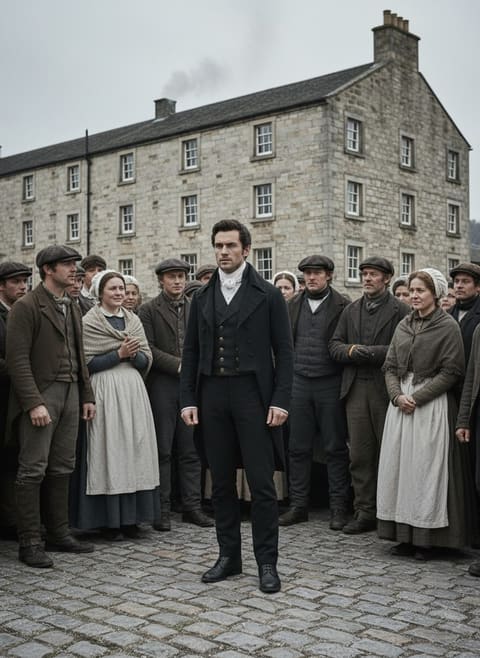
September 15, 1833. A lone whistle cut through the air of Lancashire's gray dawn.
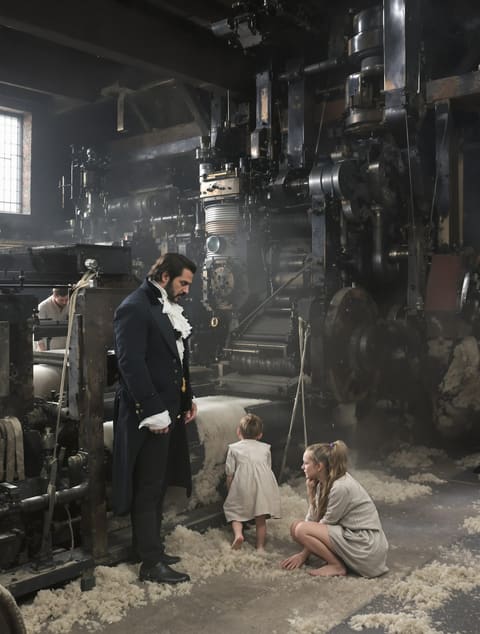
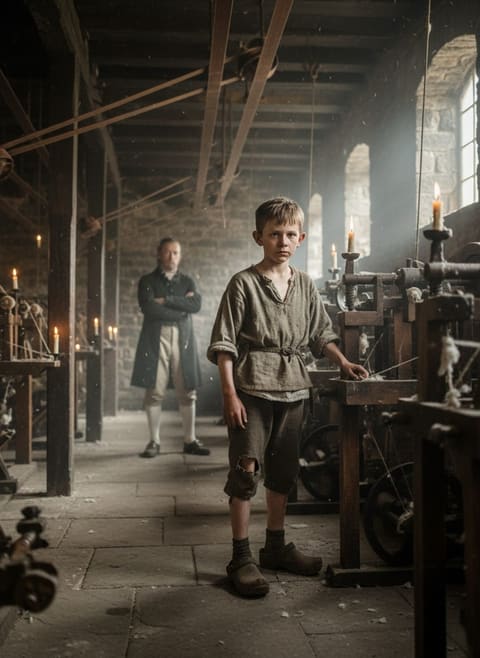
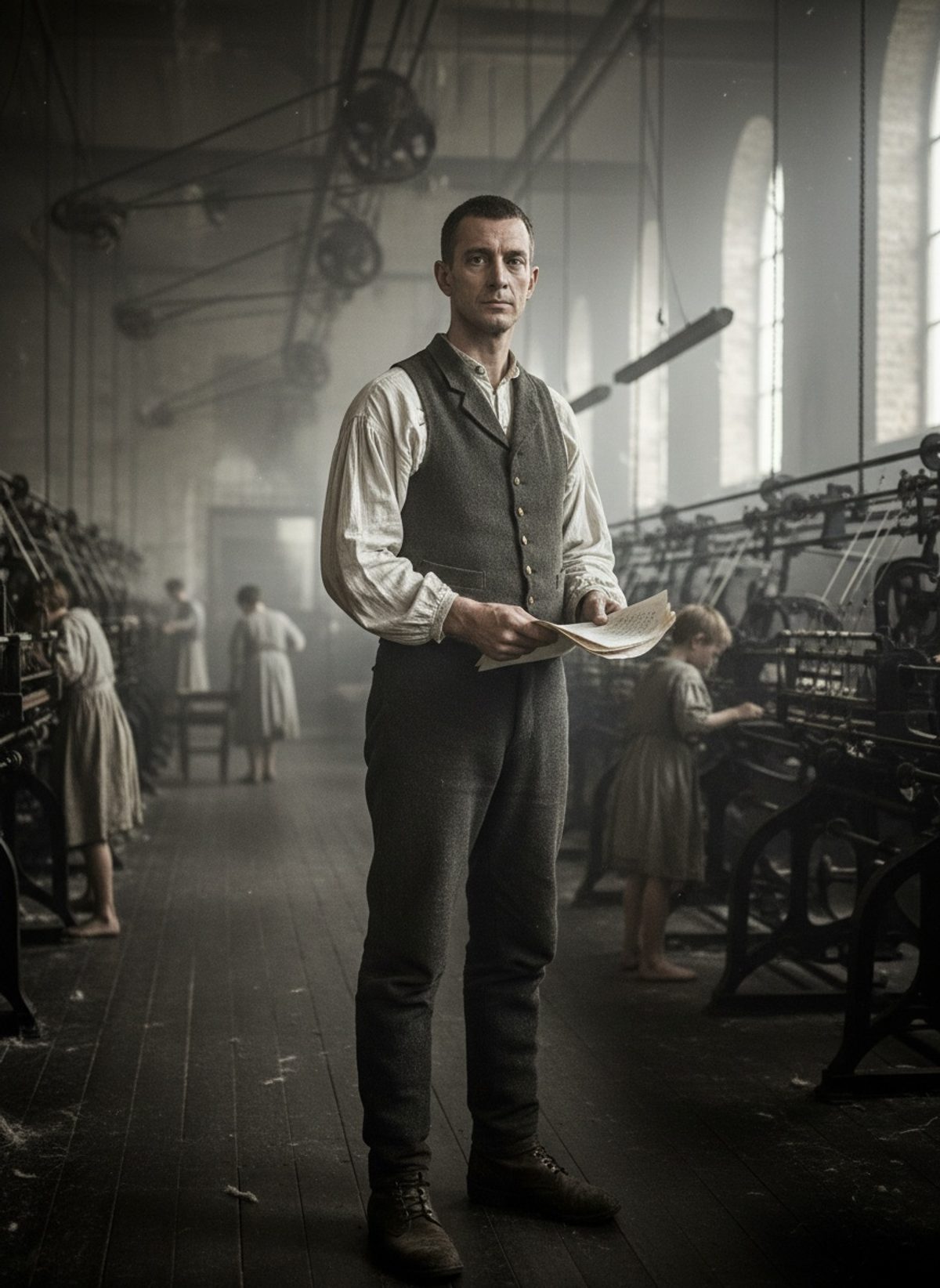
Amidst the relentless din of clattering machinery and the suffocating atmosphere thick with dust and despair, a small figure stood resolute. Beneath the rigid work ethic that drove the pulsing heart of the Industrial Revolution lay darker tales, stories seldom whispered beyond the red-brick walls of the factory towns north of England. This morning, a ten-year-old Robert Blincoe—a mill boy long subjected to the grinding machinery of industry, paused amidst the symphony of churns and clanks. His refusal to continue sparked a chain of events that would bring about a tide of change in one of history’s most defining eras. But to understand the significance of this moment, we must journey back to where Robert's relentless resilience began.
Chained to the Loom
Born into the shadows of poverty, Robert Blincoe's life started in circumstances grim. At the tender age of seven, he found himself ensnared in the pauper apprenticeship system—a societal scheme set in motion to ease the welfare burden on parish charities by sending destitute children to work in industrial settings. It was within the cotton mills of Lancashire that Robert, along with countless others, was stripped of childhood's innocence, thrust instead into a world of relentless noise and ceaseless toil.
The living conditions offered only the barest privileges of survival. Children like Robert labored from before dawn broke until the night's thick shroud descended, often barefoot, their attire threadbare and insufficient against the chill winds that crept through the mill’s rattling windows. Bent over looms that stretched greedily across the factory floors, they worked amidst lint-filled air that crept into their lungs and stole whispers of health away with each labored breath.
Read next: The Day a Collier's Son Gave the Mines a Light
Factory overseers maintained unyielding authority, their watchful eyes ever-ready to descend with harsh reprimands. In such a setting, accidents were as frequent as the machines themselves, the cries of injured youth drowning beneath the mechanical drone. This was Robert Blincoe’s world, and his silent vigilance against encroaching despair was as much a part of his existence as the chains that tethered him to his loom.
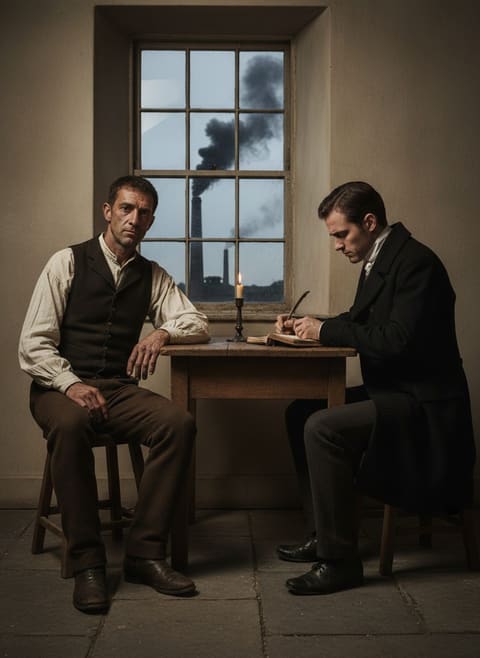
But in the silent hours after the day's labor ceased, when the burdens of fatigue pressed heavily upon him, Robert's steadfast determination sowed seeds of defiance. With charcoal scribblings on torn scraps, he began to document his experiences—a collection of hardships and indignities that few eyes ever bore witness to, let alone declared.
A Testament Ignites Change
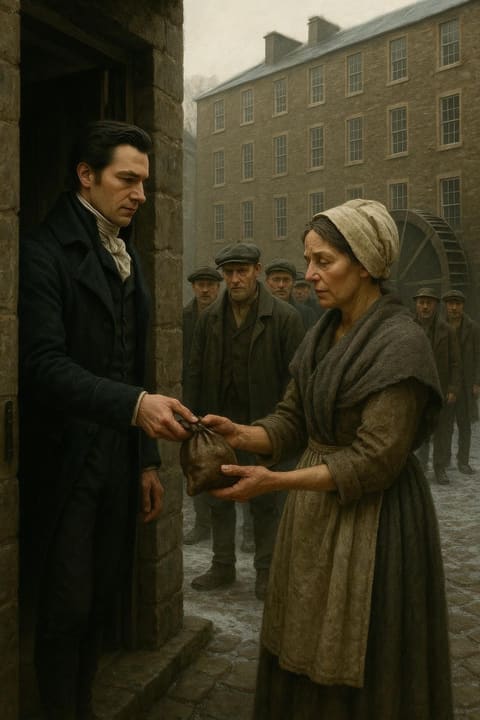
Robert's writings found their way into the hands of John Brown, a writer and reformist dedicated to the improvement of working conditions for children. Brown recognized this as a clarion call for reform, an exposé of conditions unseen and unspoken. He endeavored to publish Robert's account, his narrative honed into a cautionary tale that vibrated with the echoes of unheard voices.
Beneath the gilded arches of Parliament, the echo of Robert Blincoe's testimony reverberated through the halls. The incendiary narrative detailed in Robert's account painted an unvarnished picture of industrial exploitation—a reality from which the elite could no longer avert their gaze. The child laborer, once an unseen cog in the mechanized behemoth of progress, now stood, even if symbolically, defiantly on the marble floors of the nation’s legislative heart.
Read next: The Day a Cornish Engineer Lit the World's First Steam Locomotive
As Blincoe’s plight struck a chord, debates flared about the moral and ethical implications of child labor, a mirror now held firmly before a nation’s conscience. These parliamentary discussions and subsequent Factory Acts began to weave a safety net, albeit with threads too tenuous to provide immediate solace for many. Yet, the world had shifted imperceptibly on its axis – for the first time, a narrative penned from within the depth of industrial suffering shaped public policy. The factory system was now open to scrutiny, each story inviting closer inspection, each injustice demanding reform.
The Echo of a Small Voice
In the grand saga of human history, it is often the quietest voice that provokes profound contemplation. Robert Blincoe, the unlikely herald of industrial reform, was a testament to the power of the human spirit, which refuses to be crushed beneath the grind of progress for progress's sake. His story is one of resilience and resolve—a legacy that transcends the spinning looms and steel frames of his time.
The Industrial Revolution encapsulated the complexity of human ambition and the stark price paid by those with the smallest power to negotiate its terms. Robert’s account laid bare the stark injustice permeating the factories and challenged Britain to rethink its definition of progress, urging a transition towards a more humane approach to industry.
In commemorating the stand of Robert Blincoe on that crisp September morning, we acknowledge the ripple effects of his courage. It is a tale that extends beyond pages of legislation or the now-quiet streets of mill towns; it reaffirms the enduring impact of individual narratives and the moral responsibilities they awaken. In a world ever-eager to race forward, these reminders resonate—propelling us to not only remember but to act upon the imperatives invoked by those whose voices once echoed in the darkest corners of history.