August 3, 1347. The sky over Calais was a weighty grey, as though the clouds themselves bore witness to the despair below.
For eleven long months, Calais had stood isolated and famished, its hope dwindling with each relentless tick of time's clock. The burly walls, once bastions of pride and protection, were now skeletal reminders of a city brought to its knees by the mighty King Edward III's English forces. What food remained was an echo of what used to be, a cruel reminder of plentiful days now lost to the siege that choked life from its streets.
The townspeople, once resilient and full of spirit, had become gaunt shadows of their former selves. The siege had exacted a terrible toll, not just on the bodies, but on the very essence of the city's culture and camaraderie. Behind those ancient walls, choices were reduced to grim necessities, survival hanging by a thread as palpable as the ropes designated for their surrender.
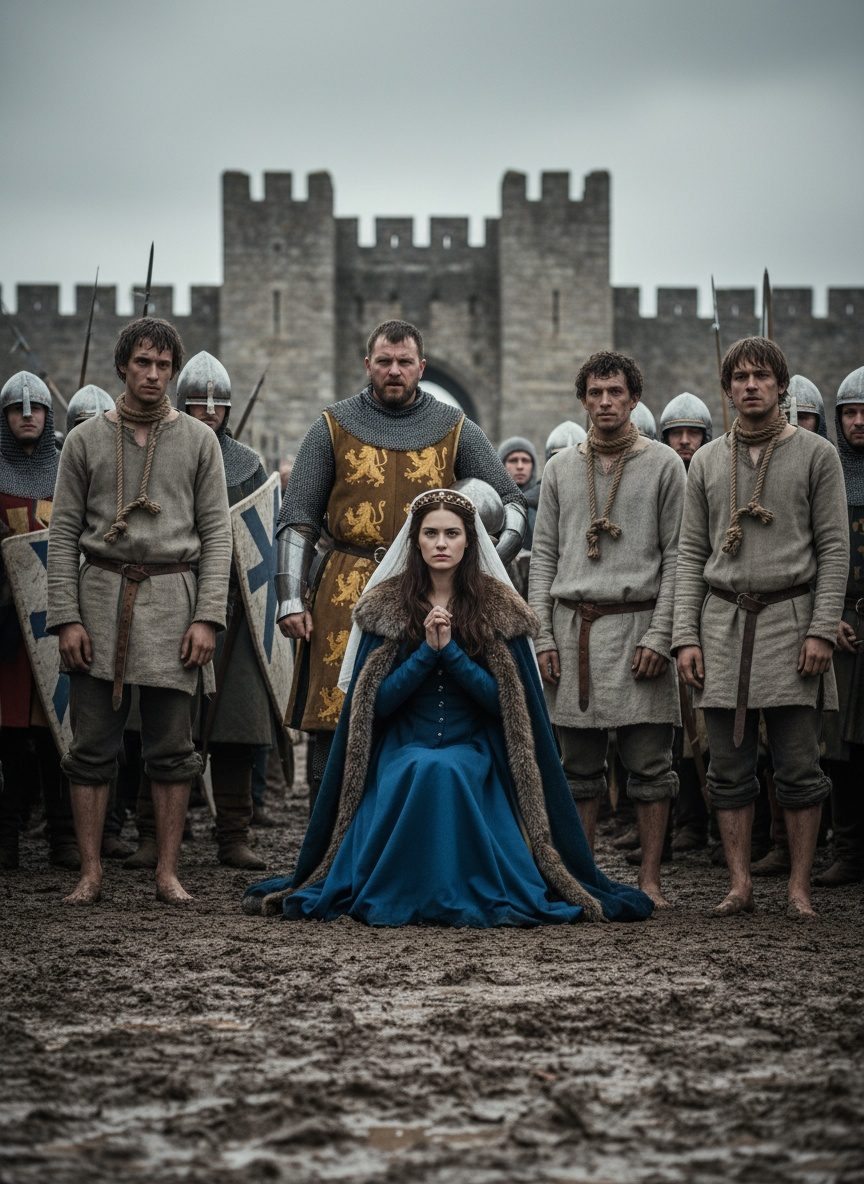
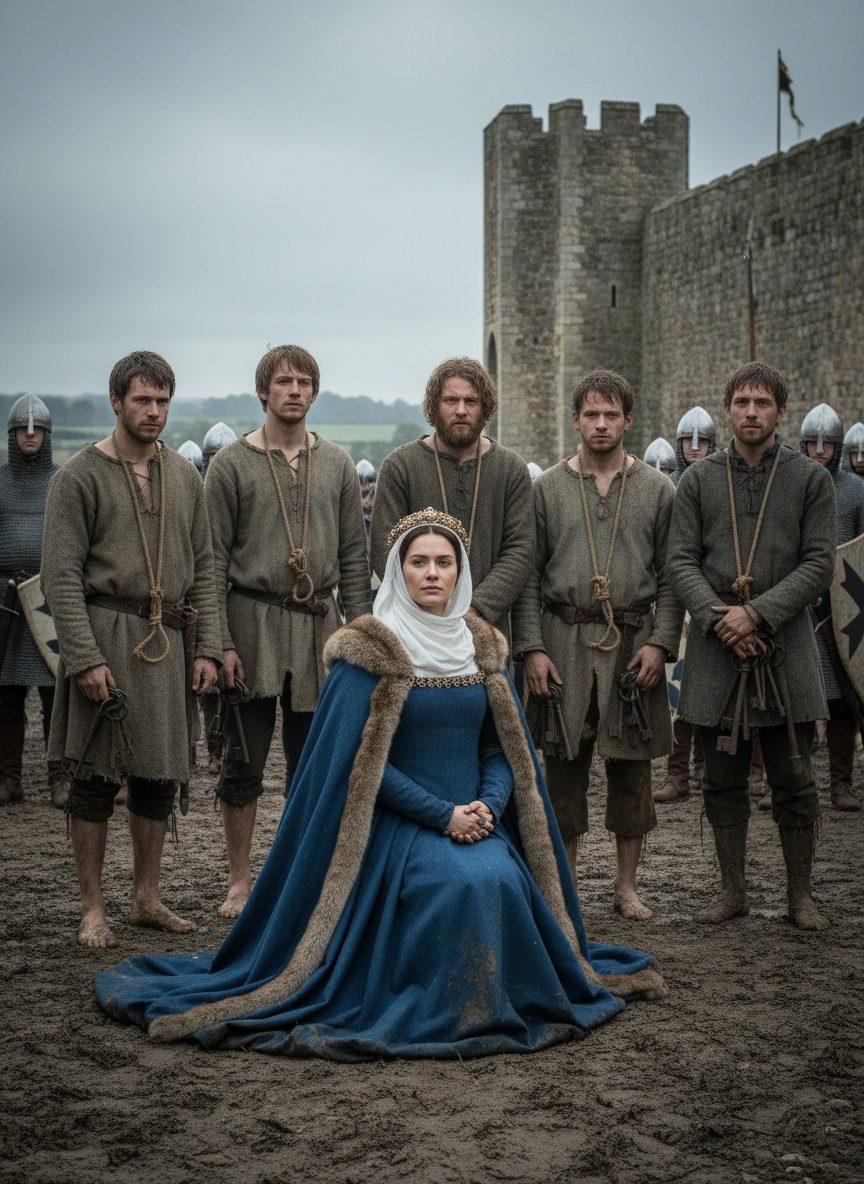
Edward's demand was chilling and unequivocal: six of Calais's most noble citizens were to walk to him, ropes hung around their necks, barefoot and clutching the keys to the city — an act of submission and a prelude to their execution. It was a gesture lavish in its symbolism, meant to strike fear into those who dared to stand against the English crown. This was no mere conquest; it was a performance of power and dominance.
Read next: The Day an English King Drowned an Army in a Marsh
The Burghers of Calais, six courageous men, emerged from the battered gates, their dignity cloaked in humility. Eustache de Saint Pierre led them, facing an uncertain fate with resolved hearts. Proudly but solemnly, these men carried the city's keys, the symbol of everything they had loved, everything they were now relinquishing to save their fellow Calaisians. Slowly and deliberately, they marched through a path of mud and misery towards the English king who would determine their end.
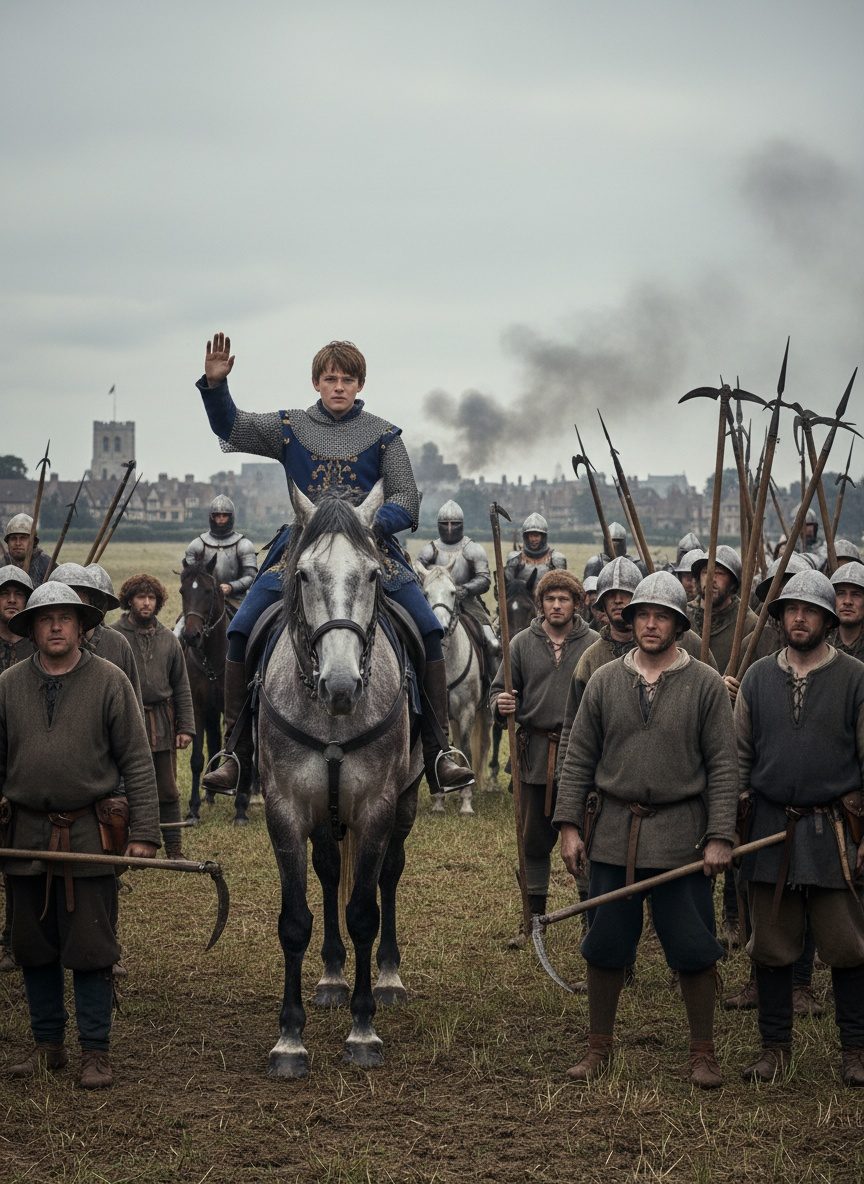
The English army's encampment was a sprawling sea of humanity, tents billowing in the wind and soldiers forming an audience to this dire ballet of surrender. Edward III, a king whose eyes bore the weight of both burden and ambition, stood prepared to accept the ultimate prize of his campaign. The fall of Calais was more than just a military victory — it was a strategic chokehold on the French coastline that he long coveted.
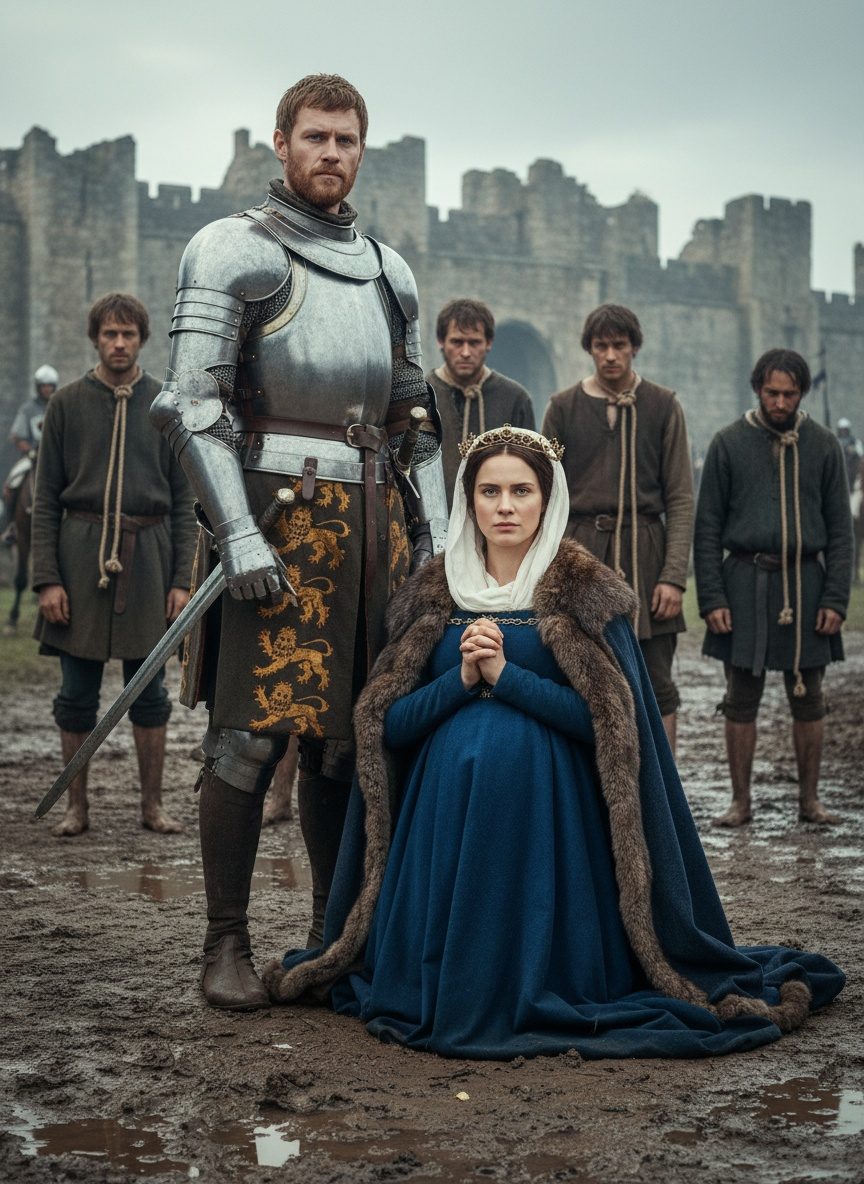
But in the midst of this orchestrated exercise of royal authority, a compelling drama unfolded that would etch itself onto the annals of history. Queen Philippa of Hainault, Edward's consort and ally in much more than just matrimony, intervened at the crucible moment with the quiet power that women of her stature and intellect wielded through sheer presence alone. Heavily pregnant with their seventh child, she watched the solemn march of sacrifice and felt the tendrils of compassion winding around her heart, thriving where policy and politics demanded sterner stuff.
If there was one thing Edward admired in his queen, it was her unwavering kindness — a facet that arguably completed his rule. Her empathy lured her to kneel on the soggy earth, her garments muddying as she interposed herself before him, her voice a plea for mercy that broke through the clamor of silence adhered by his assembled forces.
Philippa implored him with a rationale only a sovereign truly secure in his legacy could recognize. She spoke not of power, nor conquest, but of humanity — of the virtues that rendered a man great above being simply mighty. On that fated day, it was her heart that compelled a transformation of fate.
Their exchange was surely shorter than legends recount, yet pregnant with meaning. Perhaps it was in the solemn determination of the gathered burghers. Perhaps something shone through the blurred veil of rain-soaked nobility that day, conveyed through Philippa's voice — a reminder of shared humanity that one day even sovereigns might be called to account for.
In a world dictated by stubborn strength, Edward III's decision to relent spoke volumes to his legacy. Confronted with his wife's poignant counsel and perhaps his own inner reflections, he acceded to Philippa's request, sparing the lives of the six men. His reign would persist upon the undertow of iron conquest tempered by a singular act of clemency.
The Burghers of Calais, destined to become legends of magnanimous sacrifice, retraced their steps into the city of their birth — paradoxically conquered and saved in the same breath. As they passed through the gates that day, the uncovered heads were replaced by burdens of a different sort: the aspiration to honor what humanizes us, beyond the battles and beneath the crown.
Today, this poignant tale speaks resilience and redemption across the gullies of time. A momentary pause in the interminable march of wars, reminding us that while power may dictate the lines of history, compassion renders it lasting. It teaches that true victory lies not in subjugation, but in the legacy of grace — the kind woven into the fabric of Europe's future by a queen and her quiet plea in the midday mud of medieval Calais.