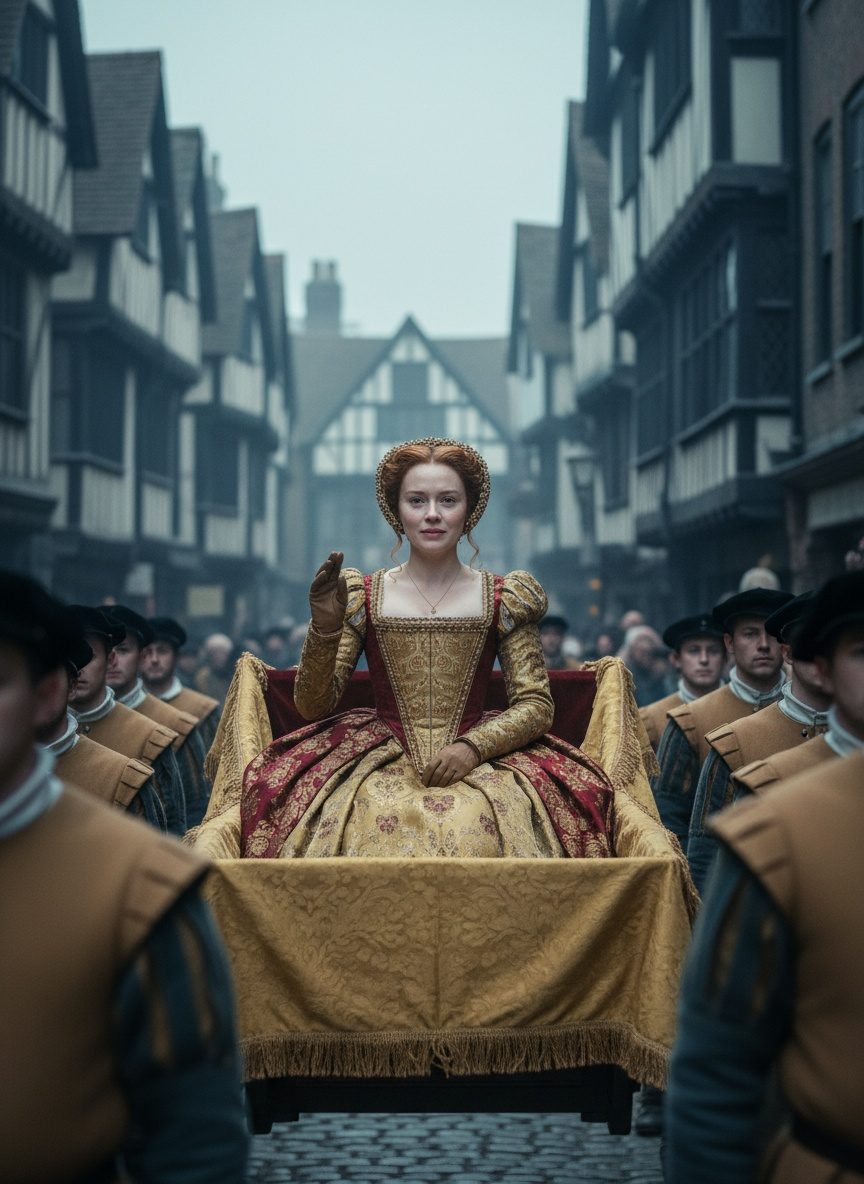
The cheers were thunderous, a human symphony reverberating through the cool, crisp air of London. Elizabeth sat tall upon her steed, the leather reins firm in her delicate yet determined grasp. Each hoofbeat seemed to sync with her heart, a rhythm that matched the city's roar as her procession wound its way toward Westminster Abbey. Her mind, ever calculating, absorbed the cacophony—voices raised in adoration and hope. But as the throngs pressed closer, the unexpected happened: Elizabeth paused, the world hushed, and a single tear traced a path down her cheek. She leaned forward, casting a benevolent gaze over her subjects, and finally, a smile broke through, as radiant as the new dawn of her reign. In that moment, England felt the weight of history shift.
The Challenges That Birthed a Monarch
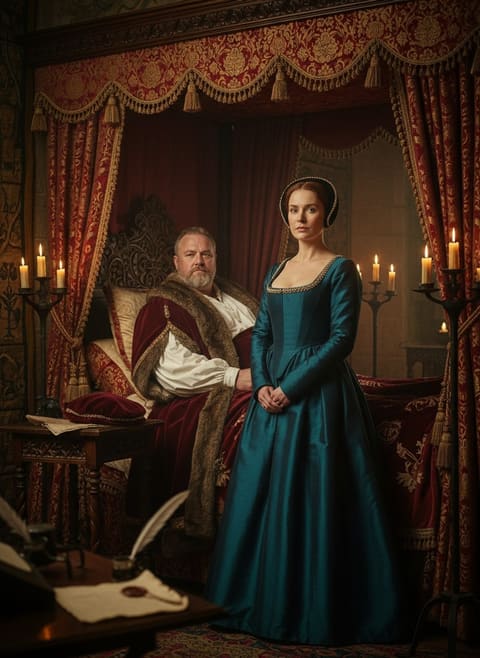
A sense of destiny had clung to Elizabeth Tudor ever since her birth on the 7th of September, 1533. The daughter of Henry VIII and Anne Boleyn, her life began under a cloud of unmet expectation and controversy. Her mother's execution and the subsequent delegitimization by her father had cast Elizabeth aside until fate—combined with political misfortune—drew her closer to the throne. England in Tudor times was a nation teetering on the precipice of chaos. Religious turmoil and political machinations created a minefield of expectations and danger. Elizabeth, merely 25 years old, stood at the helm of a country divided by the echoes of her father's break from Rome and her sister Mary I's persecutions. Many in the courts of Europe whispered that her reign would be short-lived—an interlude in the grand opera of English monarchs.
A Journey of Daring Symbolism
The choice to ride alone was deliberate and potent. Tradition dictated that a queen should be accompanied by a king, a symbol of their interdependence and united front. Yet, Elizabeth knew she needed to assert strength and independence, leaving no shred of doubt about her dominion over the crown. On that cold January morning of 1559, she emerged, bestowed with the weight of her own dynasty. Her armor was her resolve; the cold biting her skin only firmed her spirit. As she rode down Fleet Street, then through the cheering cobbled paths of Cheapside and onward through the city gates, every glance from the assembled revelers was a reflection of the trust placed upon her slender shoulders.
The Moment of Connection
As the coronation procession halted, offering Elizabeth a brief pause amidst the jubilation, the gathered masses fell silent. Their eyes, filled with reverence and curiosity, bore into hers. In that quietude, Elizabeth absorbed more than words could convey—their doubts, their hopes, their extraordinary faith in her leadership. In the stories passed down, some would say she wept because she had won their hearts; others claim the tears were for the enormity of the challenge that lay ahead. But all agreed on one thing: in that smile, there was reassurance—a silent oath from a monarch to her people.
Read next: The Day a Queen Rode Alone Into a Mutinous Army
The Coronation: A New Dawn
The ceremony at Westminster Abbey followed the ancient rites, steeped in tradition and careful symbolism. The distinct aroma of incense mingled with the echo of sacred hymns, spiraling through the hallowed vaulted ceiling. As Elizabeth was anointed and crowned, the gold circlet of sovereignty settled upon her head amid the resonant declaration of God Save the Queen. Each word of the coronation oath was a pledge—both to her subjects and to herself—to lead with the wisdom inherited from her education and the lessons learned from the missteps of the past.
The Legacy of a Ride
Elizabeth's solo journey to her coronation was more than just a physical act; it was a statement, a public declaration that she was both king and queen—a singular figure at a time when her gender was seen as a potential weakness. This defiance of expectation set the tone for an era that would become known as the Elizabethan Age, a period marked by the flourishing of English drama, maritime ventures, and a new-found national pride. On that memorable January day, it wasn't just Elizabeth who rode through the streets of London; it was the embodiment of England's future. The crowd knew that this woman, alone but never lonely, would change the course of their history. And she did, weaving her legend into the very fabric of their lives—a monument of grace fortified by steel. As centuries passed, the echo of that day serves not just as a story of a single dawn but as the enduring awakening of a nation.