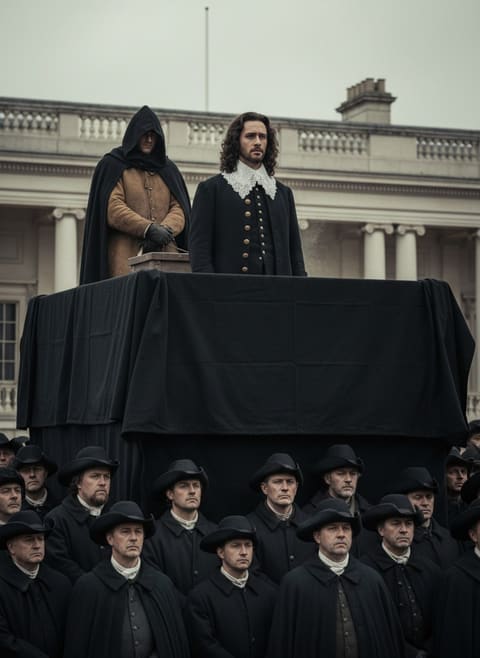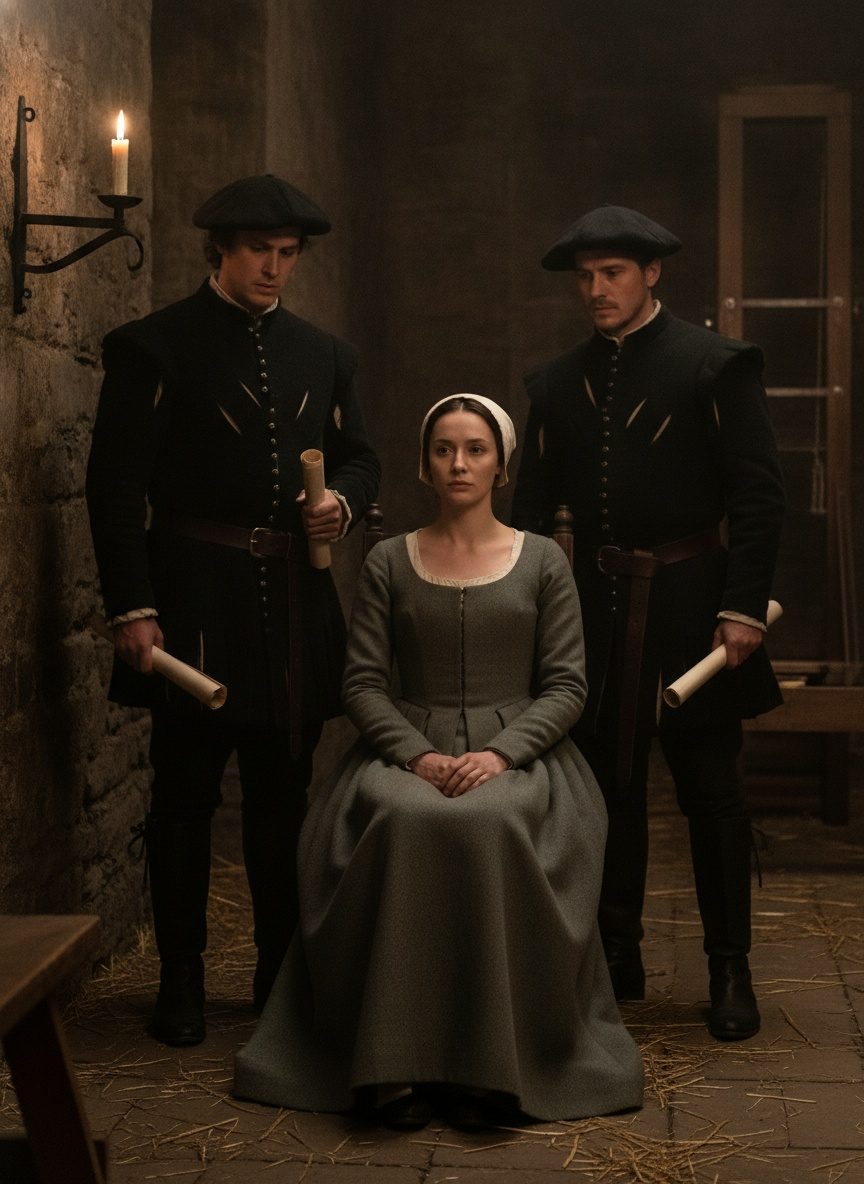
July 16, 1546. The sun burned down relentlessly, casting long shadows over St. Clement’s Inn Fields, turning the grass into a golden dust. The heat added another layer of oppression to an already suffocating atmosphere within the Tower of London where Anne Askew, a woman of indomitable spirit, lay stretched on a torturous contraption—the rack. But even amidst this brutality, she was unyielding; her silence could unseat a queen, yet she was impervious to their demands.
Anne Askew and the Maze of Reformation
The Tudor era was a quagmire of religious and political upheaval. Amidst it all stood Anne Askew, an intelligent and devout Protestant woman from Lincolnshire, who became a beacon of defiance against the ceaseless waves of Catholic doctrine favored by the King's advisors. Proudly outspoken with her beliefs, Anne entered the dangerous political nexus of Henry VIII’s England at a time when adherence to the "wrong" faith could spell doom.
Her unwavering commitment to her principles made Anne a target for those who saw her as a threat to their efforts to safeguard Catholicism under Henry's ambivalently Protestant-leaning rule. Her arrest was inevitable, but what her captors failed to anticipate was her unwavering resolve not to embroil others in her fate, even under horrific duress.
The Shadows of Treachery: A Queen at Risk
Behind the formidable stone walls of the Tower, Anne's trial was more than about her doctrines; it was a carefully orchestrated attempt to ensnare Katherine Parr, the sixth wife of Henry VIII. Queen Katherine was suspected of harboring leanings toward the Protestant faith—a dangerous liaison with those like Anne Askew posed a significant threat to the king’s domestic tranquility.
Read next: The Day a Tudor Chancellor Chose Death Over a Royal Lie
Anne, weakened and wracked by agonizing pain, understood the stakes. The questioners, bloated with their own authority, demanded names—important names—ones that could embroil the monarchy. They specifically wanted links to Queen Katherine. Yet, steely in her defiance, Anne refused. Her courage paints a bold, stark contrast against the backdrop of a deeply vulnerable political landscape.
Tales of the Rack: The Women who Bore the Brunt
As Anne languished on the rack, her courage continued to baffle her tormentors. The rack was a monstrous device, designed to prolong suffering to the point where the moral compasses of all but the stoutest individuals floundered. Its operation was simple yet gruesome: turning its gears would slowly stretch the prisoner’s body, causing excruciating pain as ligaments and muscles were torn from their moorings.
Anne endured beyond the limits of ordinary endurance, her silence a shield not only for herself but for others who stood on the slippery brink of Henry VIII’s capricious disfavor. Historical records may lack the specifics of the furious interactions between Anne and her inquisitors, but the shadows of history whisper of her extraordinary sacrifice, turning her into an icon for women who defied expectations and resisted the oppressive forces of their societies.
Her Final Stand
When it became clear that Anne Askew’s spirit was beyond breaking, her captors resorted to another strategy: execution. On July 16, 1546, Anne was carried to her execution site in a chair, too broken to walk after enduring the repeated horrors of the rack. At Smithfield, she was bound to a short stake, unable to support herself due to the inhumanity inflicted upon her body.
Read next: The Day a Tudor Bishop Refused to Crown a Usurper
With flames crackling around her, Anne did not utter the words her captors hoped for—not a single name or confession that would jeopardize Katherine Parr. Her defiance in those final moments was a symphony of resistance, echoing across the ages. In death, as in life, Anne remained steadfast, a testimony to individual courage facing absolute power.
The Legacy Untold: Anne's Unyielding Silence
Anne Askew's story, one that history books often gloss over in favor of more prominent figures, serves as a poignant reminder of the quiet, uncelebrated acts of bravery that shape history’s course. Her choice to remain silent, facing unimaginable pain, preserved the potential stability of an entire nation by shielding its vulnerable queen.
The ripples of Anne’s decision can still be felt today, resonating in the narratives of those who choose silence over complicity, sacrifice over comfort. In the dim corridors of the Tower where shadows hide stories unspoken, the legacy of Anne Askew’s courage presses against the walls, an untold testament to the spirit of defiance and the sacrifices of those who refused to let others pay the price of their convictions.