Historical reenactment is about fidelity to the past. But is it really?
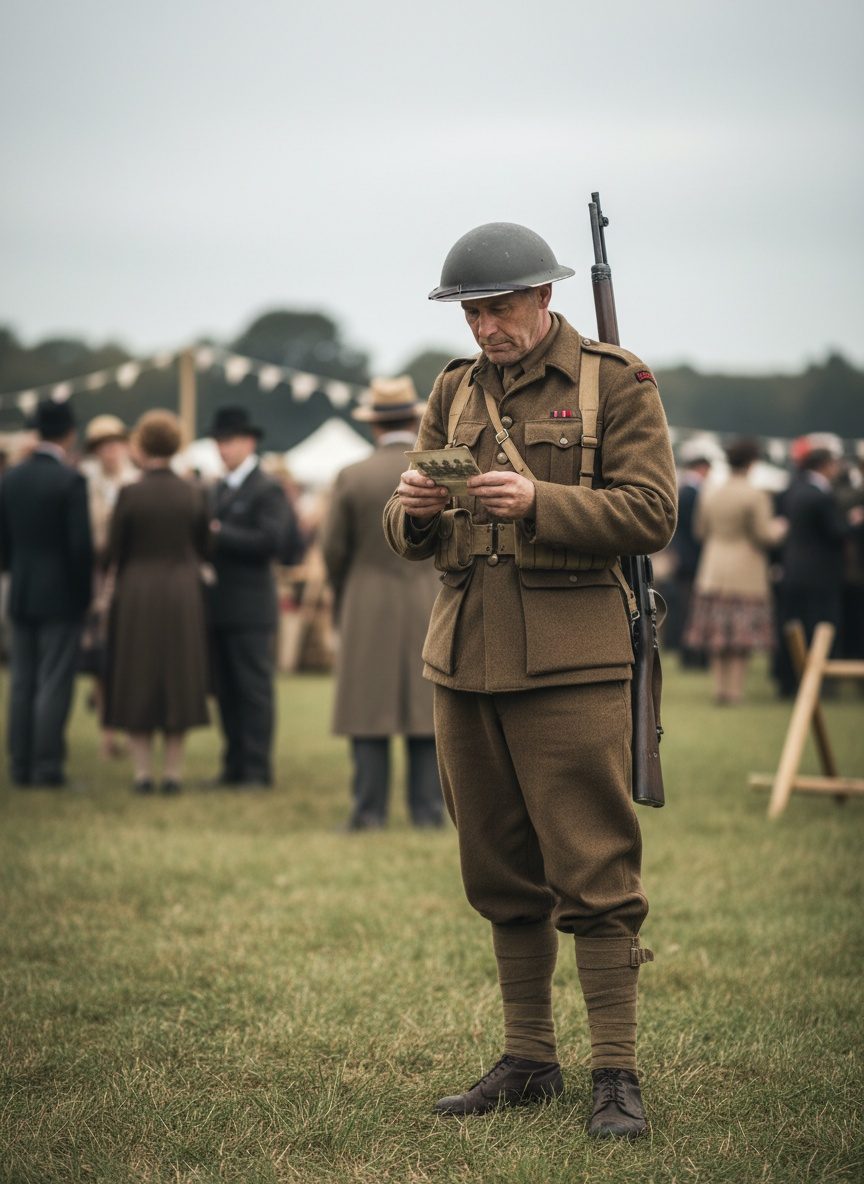
In the quiet hills of England, the air is often filled with the sound of gunfire, the clicks of metal, and the hearty voices of bygone days. Men and women gather, clad in the heavy woolen uniforms and simple uniforms of history, and for those brief moments, become the living shadows of those who fought and died in battles many have forgotten. This is not theatre; it is a calling. At least, that was its original intent.
Britain’s fascination with reenactment might seem a hobby for history buffs or a weekend diversion, but for many, it’s been a solemn devotion. In the decades following World War II, the drive to revisit history was pure, almost sacrament-like. Veterans of the war's chaos loomed large in cottages and pubs, their tales a living connection to something greater. Such men didn't just wear their uniforms; they carried their stories, their ghosts. And those stepping into reenactment knew that donning these garments carried a hefty responsibility.
Fast forward to recent decades and that intimacy with the past began to fracture—subtly at first, almost invisible to an untrained eye. The veterans left us one by one, their voices fading to whispers among us. Without those immediate reminders, attitudes shifted subtly from serious remembrance to a lighter brand of nostalgia. And so did the kit; uniforms became pristine, so much so that one could argue they looked straight from the factory—a far cry from the war-torn clothes of the original wearers.
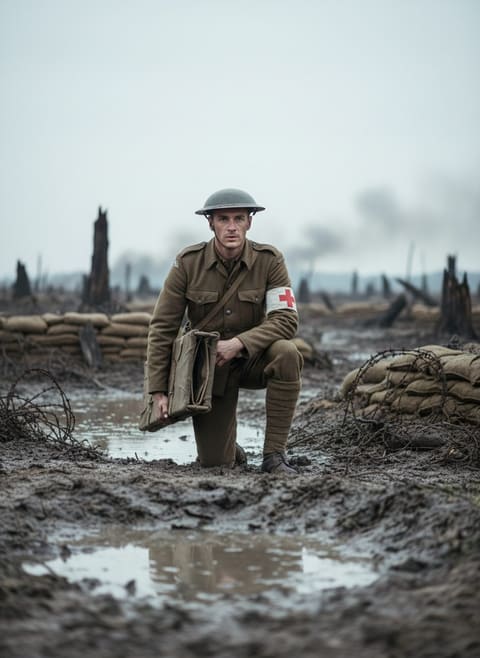
Read next: The Day a British Stretcher-Bearer Refused an Order to Save Lives
Reenactors once spent countless hours poring over diaries, battle reports, and age-old maps, striving for accuracy in everything from the buttons on their vests to the scars on their boots. Each line of stitching, each insignia was a conscious, studied choice, imbued with intent and deference to troopers whose lives were irrevocably altered or tragically cut short. Stories were alive in each rusted artifact they carried, each song they sung around a crackling fire. But then the stories got quieter.
It wasn't sudden. It crept in like fog over rolling hills. The conversations once carried with the reverence found in old soldiers’ gatherings began to sound different—less historical, more theatrical. War dialects gave way to modern phrases, echoes of authenticity exchanged for practiced lines. The researched narratives turned into something resembling plot lines for entertainment's sake, rather than spiritual resurrections of a sepia-toned past. It wasn't always deliberate, this shift from history to showmanship, but its effects ran deep all the same.
In the same fields where reenactors once felt the weight of lives lost, shiny medals now adorned unweathered uniforms. The kits and camps began sparkling under the summer sun, unmarked by the dirt and smoke of actual combat. The rifles, once steeped in stories, remained fireless—occasional props in an ever-evolving reenactment script. Without the ghosts riding their shoulders, without the children of a war-beaten generation to remind them why, the reenactments could become less a tapestry of history and more a tableau of time-specific fantasy. And in some circles, they did.
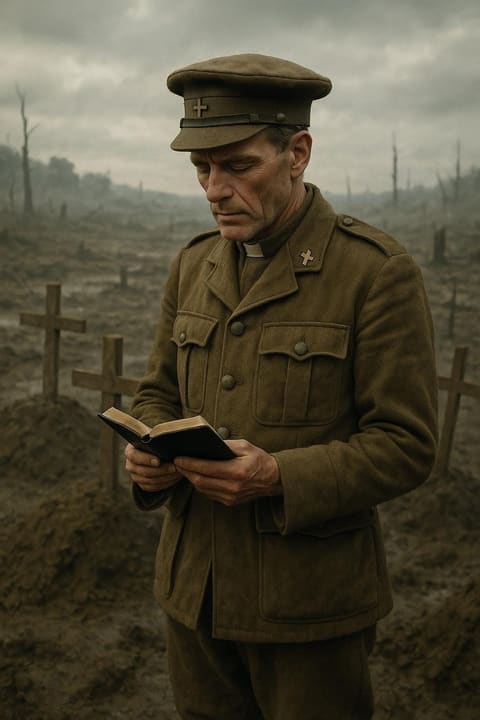
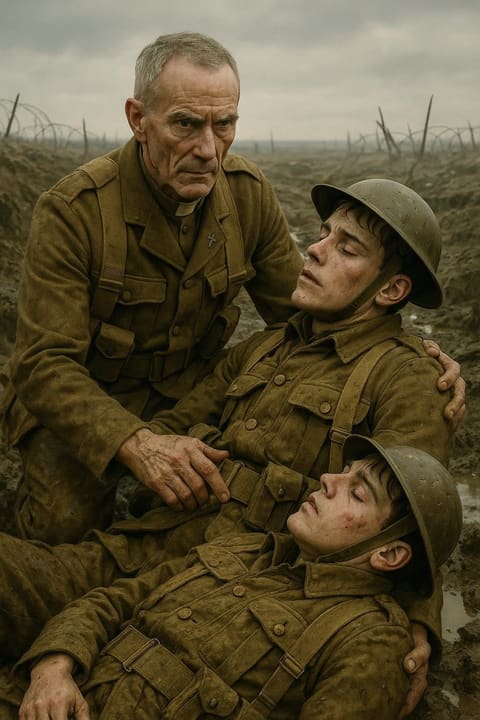
Read next: The Day a Army Chaplain Gave His Coat to a Dying Stranger
Of course, this evolution didn’t go unnoticed. The more solemn reenactors mourned what they saw as the cheapening of a sacred duty, engaging passionately in debates over authenticity and intent. They lamented how theatrics began trumping truth, and costumes took precedence over context. It's here where they believe the reenactment culture lost a bit of its soul; the weight of responsibility was set down while a gaudier version was picked up. Yet, not all threads of genuineness were abandoned.
There remains a faction of dedicated reenactors who stand resolute, guarding the memory with a fierce commitment that demands history remain undiluted. Within this group are those who drill rigorously, who approach what they do with almost monastic focus. They argue, perhaps rightly so, that clothing isn't an adornment but a gateway—a tactile, visceral portal to understanding history. For them, authenticity is non-negotiable; the difference between a button and a badge could alter the lines of understanding, like a painter swapping blue for red. They continue to conduct battles in every sense, wrestling against the tide of superficiality to maintain an unvarnished, unwavering connection with their forebears.
Perhaps, in this tug-of-war between past and present, there lies a lesson beyond the realms of historical hobbyism. It’s a quieter call to modern society on how we view memory and legacy through the filter of entertainment. Are we remembering simply to amuse or to honor? Are the stories of those who came before pieces of interactive art or sacred tales to protect, to learn from, and to connect with? When the fog clears, when the uniform hangs back in the closet, it begs the question: will we let history be history, or will we reshape it simply to keep us smiling?