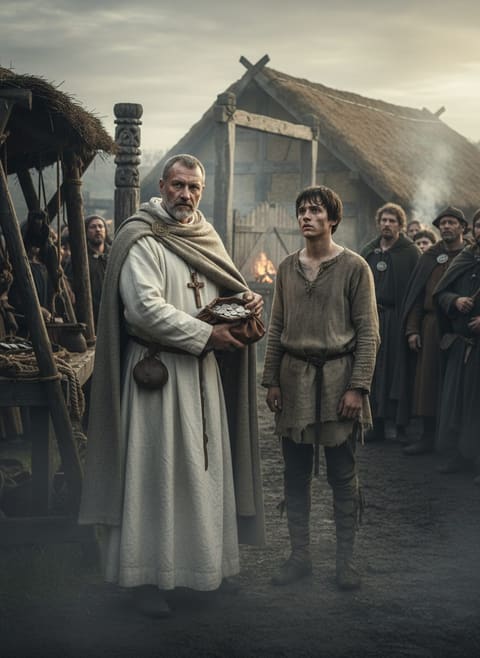
Circa 1005. The flickering glow of firelight cast shadows across the rough-hewn beams of the marketplace. In the bustling heart of York, the air was heavy with the scent of damp earth and the murmur of transactions. But on this day, the ordinary operation of commerce would encounter an extraordinary interruption.
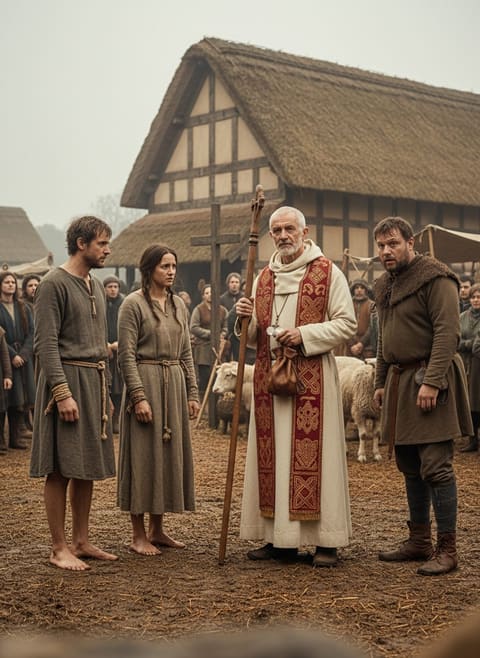
This was no ordinary market—here, human lives were bought and sold. Men, women, and even children of Anglo-Saxon England found themselves trapped in a heinous cycle, pawned off like simple goods. The slave trade in England at this time was a grim spectacle, with those who spoke the same language and shared the same blood as their captors. This jarring reality, veiled in the bustling routine of daily trade, rarely prompted protest. That was, until one remarkable man decided to confront it head-on.
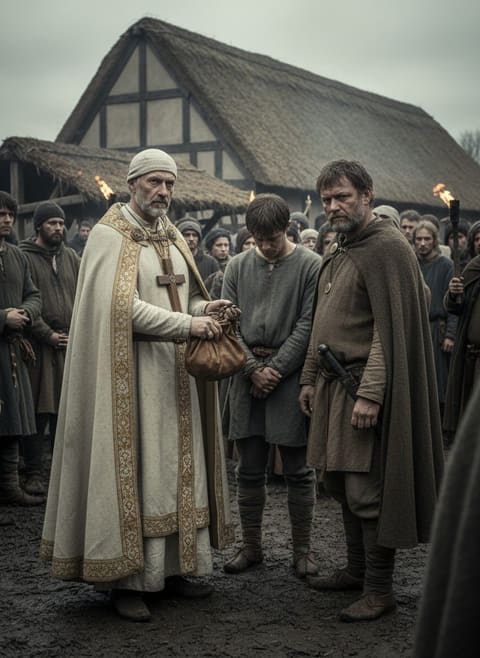
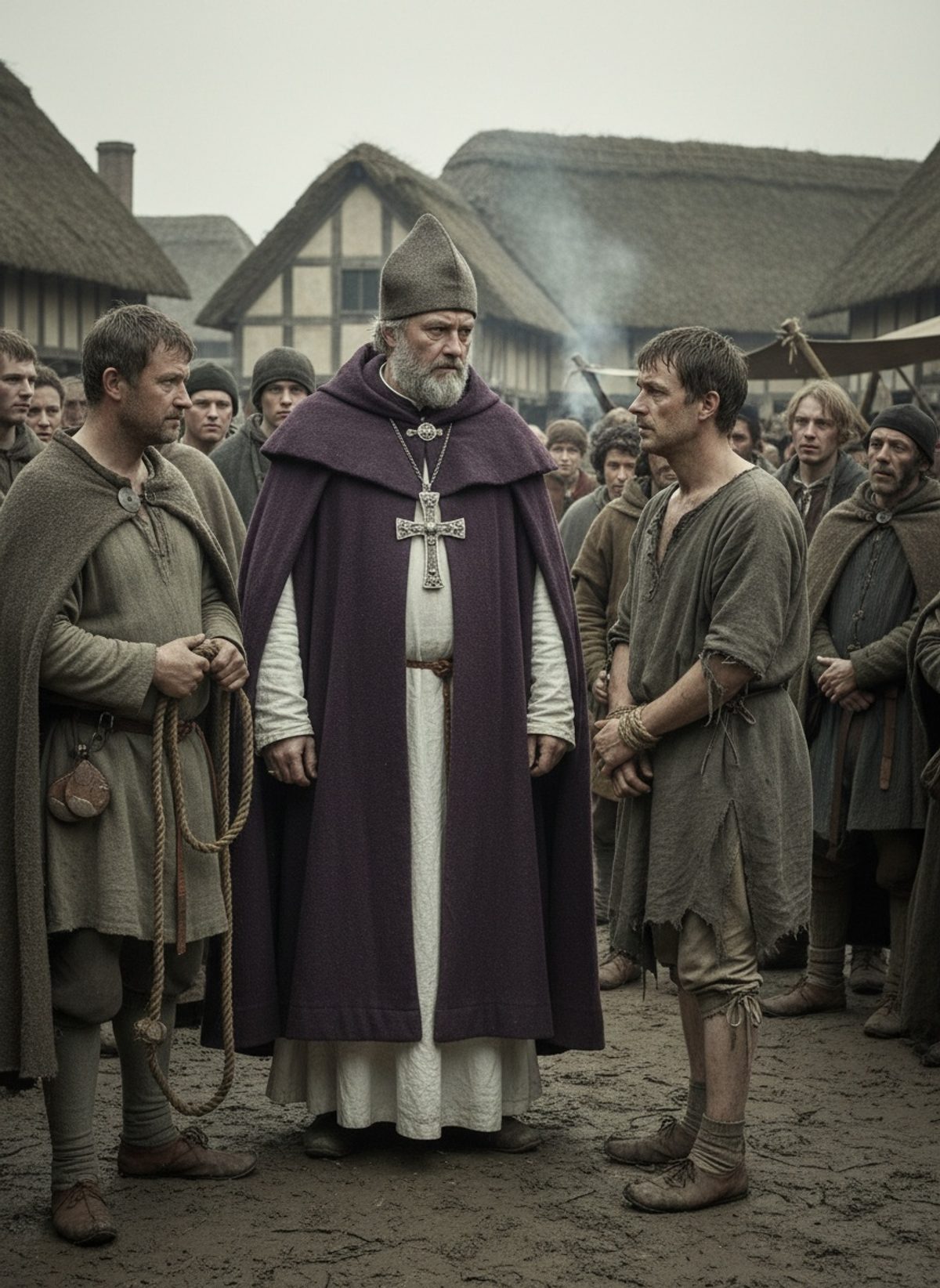
Wulfstan of York was not your typical religious leader. The archbishop, known for his fiery sermons and unyielding moral compass, walked into the marketplace with a resolve forged from steel. He was a figure of quiet dignity and unrelenting purpose, his robes fluttering in the brisk northern wind. His eyes scanned the lines of captives, faces etched in despair, knowing that without intervention, these souls would be lost to the indignities of servitude.
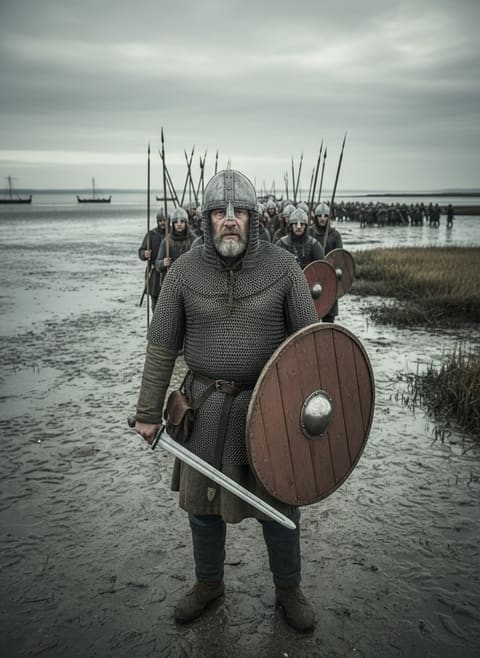
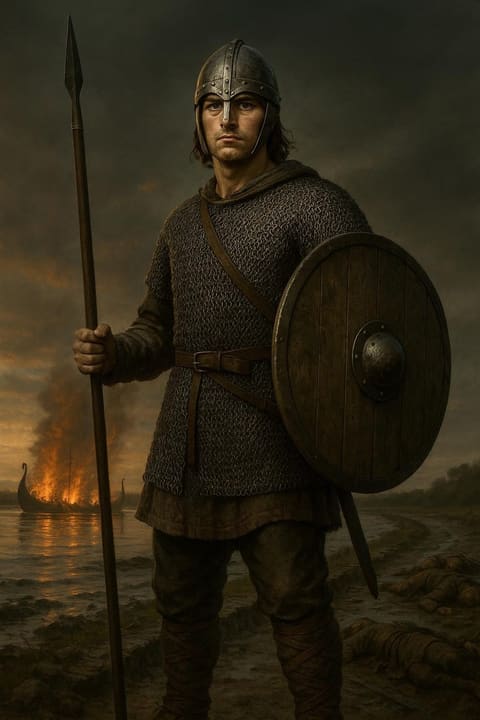
History remembers the Viking raids, the pillaging, and the suffering brought upon coastal communities. Yet, what often goes unnoticed is the dark complicity of Englishmen selling their own kin. In this paradox of kin turning over their kin, Archbishop Wulfstan found a moral outrage needing immediate rectification. His faith in Christian teachings demanded action, not idle contemplation.
Read next: The Day a Saxon Abbess Stood Between a King and His Rage
As the sun beat down on the York market, golden rays dancing on cobblestones, Wulfstan’s presence slowly began to turn heads. Traders, hardened by years of practice, met his gaze with uncertainty. They were not used to someone challenging their authority so openly, especially someone crowned with such spiritual power. Rumors of Wulfstan’s deeds had spread, tales of his resolute stand in places like London and Canterbury, but seeing it unfold was another matter entirely.
Wulfstan approached the traders with an unwavering step, each footfall echoing an unspoken vow. To him, these transactions weren’t just sinful—they represented a catastrophic moral failing of his society. Positioning himself amid the hubbub, he delivered more than just a sermon; he delivered a plea, an indictment, and a declaration of faith-bound rebellion all at once. His voice, tinged with an urgency that no ink could capture, described the sanctity of human life and the soul's invaluable worth.
But the archbishop’s strategy wasn’t pure rhetoric. Wulfstan understood the intricacies of power; his skills were as much pragmatic as they were spiritual. With authority granted by his position, and perhaps aided by the coffer of the church, he began negotiating the freedom of individuals one by one. Records fade on the exact details, but stories endure of his readiness to use whatever means necessary—persuasion, negotiation, or outright purchase—to dismantle the chain of submission.
Read next: The Day a Small Island's Language Conquered the World
Imagine the faces of the enslaved, watching the proceedings with burgeoning hope, each liberation a testament to dawn battling through darkness. Wulfstan’s deeds on that fateful day did not just release individuals; he reinvigorated an entire ethos. England's heart, waylaid by the seduction of wealth, found a beacon of integrity walking amongst the usurped; each liberation resounded as an echo of its lost humanity.
As the last man walked free from the York market’s oppressive atmosphere, no longer yoked to a fate that was not his, Wulfstan stood resilient. His act was not just rebellion against a practice but an embodiment of principles. Wulfstan’s commitment transcended words and creeds—his was a faith that actualized. Unlike so many whose campaigns crumbled into mere whispers against a mighty tide, his voice had turned into an awakening gale, challenging others to follow.
Why does this episode matter now? It speaks to the enduring struggle against injustice and our shared responsibility in confronting the uncomfortable truths within our societies. It reminds us that profound change often rests on the shoulders of those willing to stand alone against prevailing norms. Wulfstan’s day at the York market is more than an anecdote from a bygone era—it is a beacon urging every generation to question, to challenge, and, ultimately, to act.