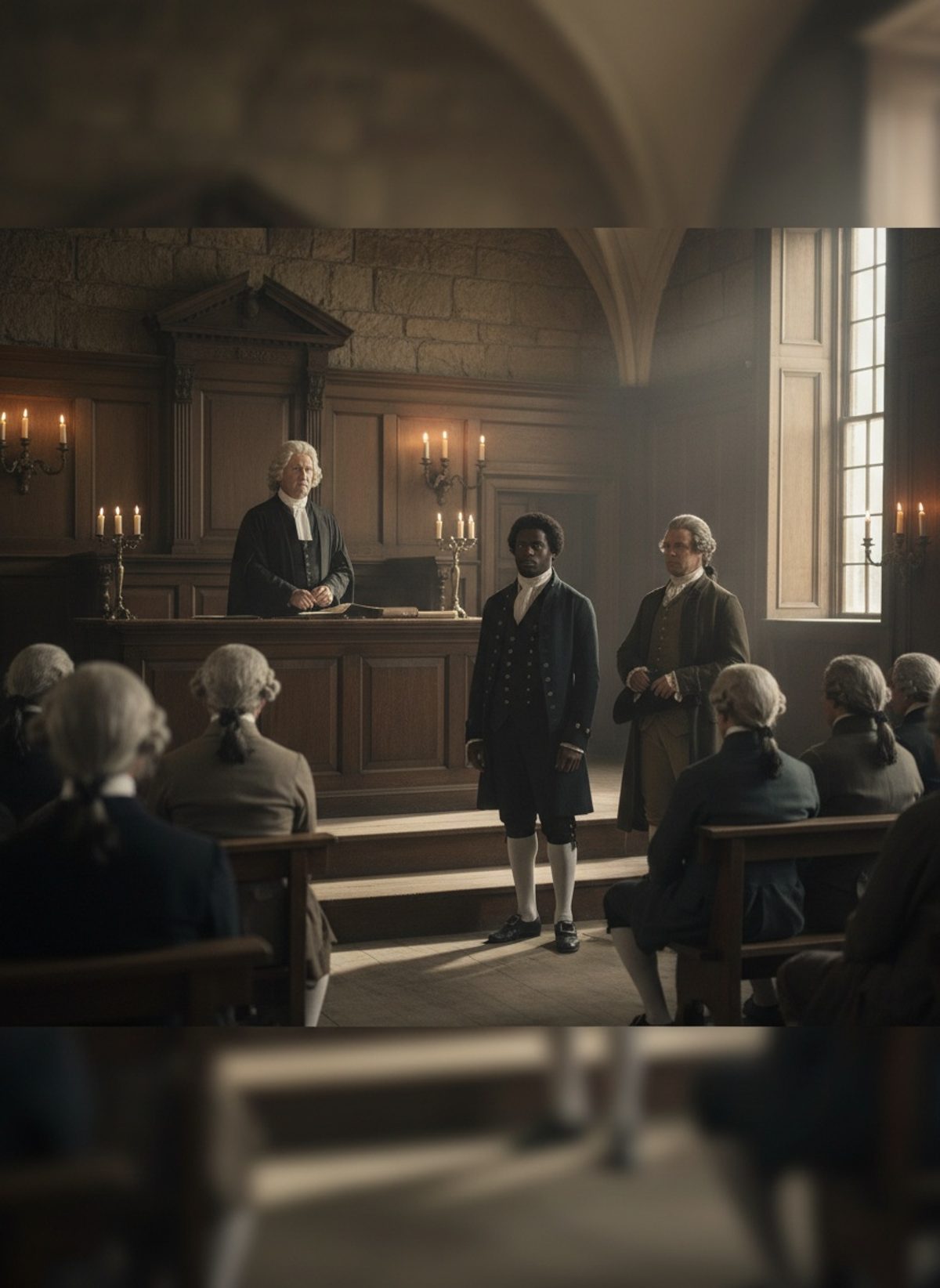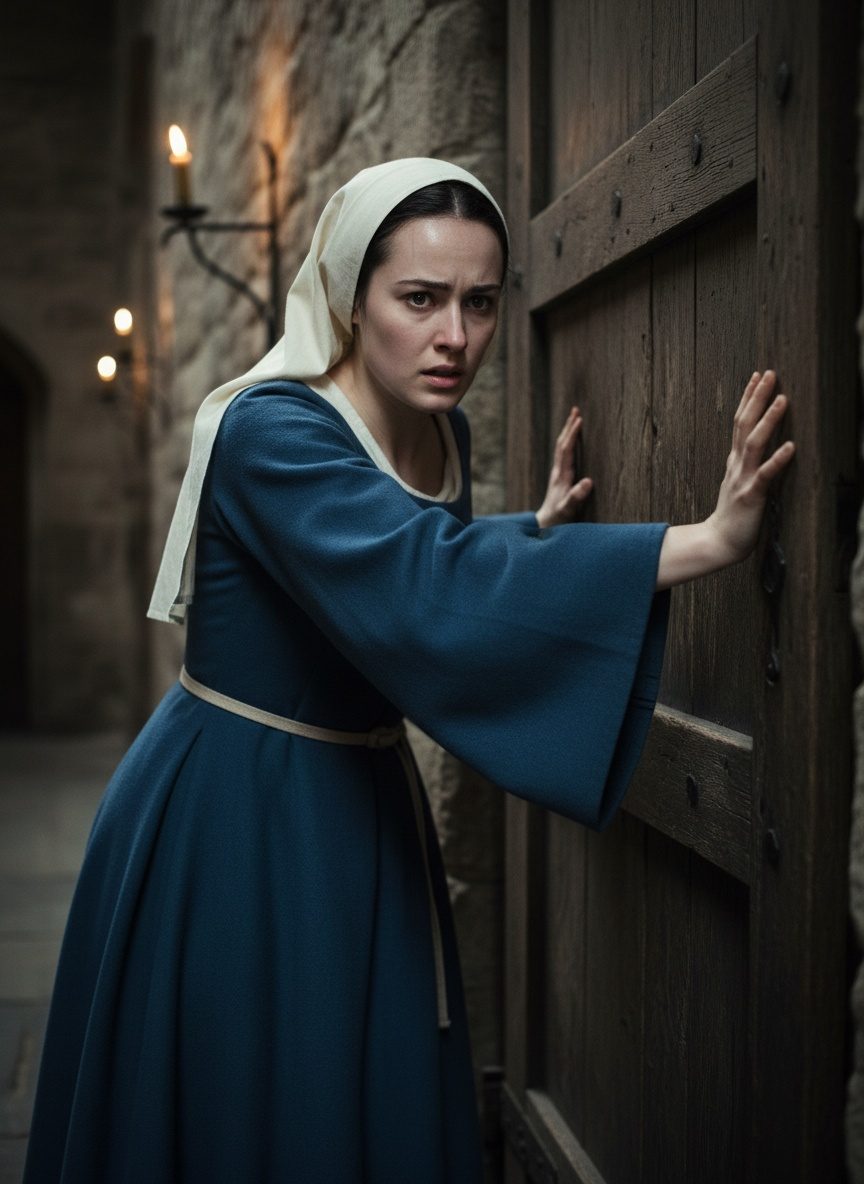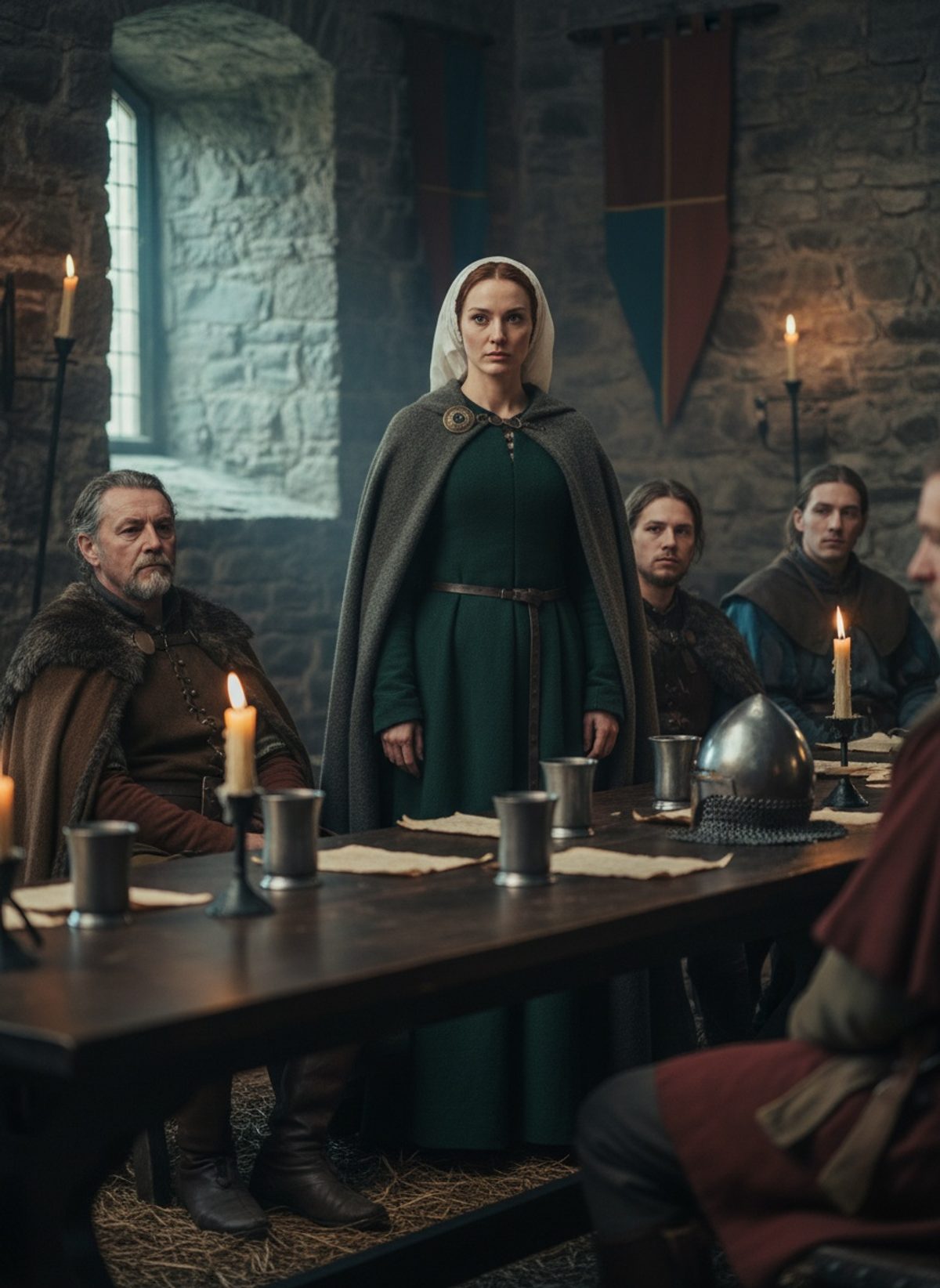
The chill of the stone walls seeped into Isabella MacDuff's bones as she stood solitary in the dimly lit chamber. Echoes of distant murmurs played across the vaulted ceiling, a constant reminder of the tribunal awaiting her words. She faced the formidable members of Robert the Bruce's council, their eyes piercing through the dusky half-light, judging and assessing. This was no ordinary trial; it was a reckoning with history itself, poised with the power to redeem her or seal her fate.
A Crowned King and a Fallen Favor
To fully grasp Isabella MacDuff's defiance, we must trek back to the canvas of 1306, when morality and allegiance teetered precariously amidst Scotland's bleak political battlefield. It was the height of Scotland's Wars of Independence, and the country's future was as turbulent and uncertain as the rustling Scottish winds. This was the year of Robert the Bruce's coronation at Scone, the moment of origins for a saga that entangled destiny and duty.
Isabella, a member of the influential MacDuff clan — a name synonymous with legitimacy and power — was tasked with a duty both sacred and perilous: to crown Robert the Bruce as King of Scots. Her hand placed the weighty circlet upon Bruce's brow, an act that declared unswerving support amidst perilous times. Yet, as history's vanquished march, fortunes reversed. Isabella's act branded her a traitor in the eyes of the English, who sought to cement their dominion over Scotland. Captured, she suffered the ignominy of imprisonment in a wooden cage, her capture a trophy paraded for the sake of England’s power plays.
Survival in such grim circumstances required more than mere resilience; it demanded a soul forged in the fires of conviction. Isabella’s tale of endurance crossed the border between folklore and myth, a symbol of unyielding resistance against oppressors. With bitter irony, the declaration seeking Scotland’s freedom — the Declaration of Arbroath in 1320 — was being inked even as she stood accused. Yet, in the annals of history, her determination fought to stand unchecked by bars of wood or shackles of history.
Read next: The Day a Scots Girl Thrust Her Arm Into a Lock to Save a King
The Trial That Spoke of Liberty
The council chamber was somber, a breath held by history waiting to witness the legacy of a woman who defied the chains of fate. Each step Isabella took reverberated within the confines, a cadence that halted before her audience of skeptics. The council members, men of repute and power, bore the solemn duty to wield judgment. Robert the Bruce himself would ultimately decide whether her fortunes would weave into the tapestry of the new Scotland or unravel at the seams of silence.
It was a daringly bold stance — without allies at her side, nor banners in her support. Yet, Isabella’s strength lay in something more indefatigable than outward grandeur. Her words, imbued with the gravitas of truth and sacrifice, unfurled like a parchment of history itself. She spoke not only for her cause but for the vision of a Scotland as aspired through declarations and embraces of freedom. Her voice resonated, a conduit of courage that placed her finger on the pulse of national identity, urging the council to mark their decision as one of pride and not of fear.
The silence that followed was deafening. The council, through time-stained eyes and deeply lined foreheads, appeared to deliberate the essence of Isabella’s indictment. Was she a traitor or a patriot? Before them stood not just a woman who had once crowned a king but a living testament to Scotland’s ongoing strife tempered with promises of freedom's dawn. In that moment, history held its breath.
An Icon Unburdened by Time
Isabella MacDuff’s trial, steeped in the ethos of what Scotland longed to become, became a pivot on the great axis of the nation's history. It was an instant tangled in the labyrinthine struggle for sovereignty, surging like the tide against the cliffs of tyranny. Her freedom, improbable yet indelibly compelling, stood as a testament not easily written in textbooks but briskly etched into the chronicles of legendary fortitude.
The council’s decision to release her carried weight far beyond her singular life. It underscored a pivotal moment where ideals shaped the sinews of reality; and where courage found resonance amidst the echoing chambers of power. Though absent from the written declarations and parchment scrolls, Isabella's defiance became a whisper louder than any word penned.
In the end, Isabella MacDuff's legacy is threaded with the tales of liberation and that of a woman who traded the isolation of a prisoner for the boundless horizon of national identity. Her story teaches us that history’s pivotal hinges can sometimes rest upon the shoulders of those unaccounted for, and that the mettle of one's conviction can prove mightier than any weapon forged or edict proclaimed. We've learned that courage, like a flickering flame, is oftentimes re-ignited not through the stone monuments that history builds but through the stories of human dignity it retells. Scotland's path to freedom, then, was as textured and nuanced as the lives that kindled its march towards destiny, marking Isabella MacDuff as an enduring ember in its storied past.