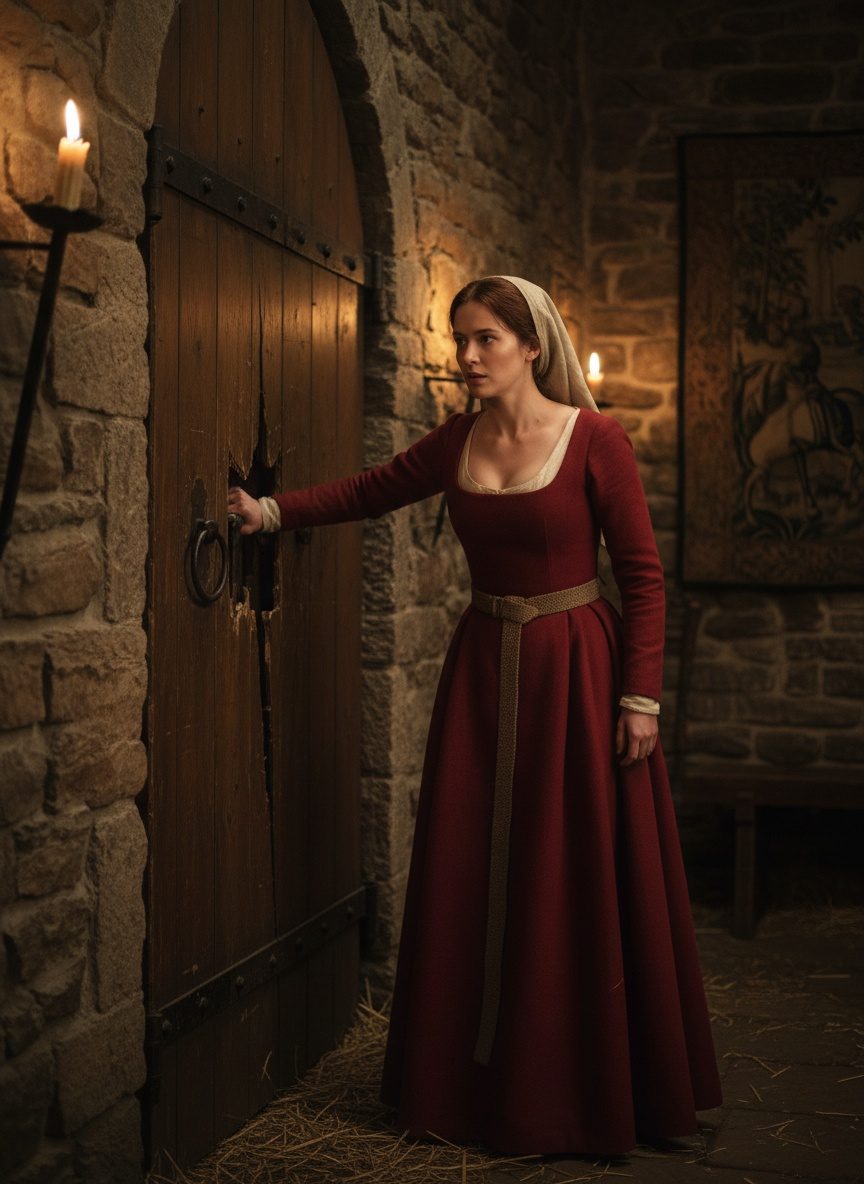
The low winter sun cast long shadows across the stone floors of the abbey, the air heavy with the scent of burning peat as smoke curled lazily towards the heavens. Outside, the moorland lay silent under a blanket of frost, the night air sharp and cold. But within those stony walls, a different kind of chill gripped the court—one wrapped in whispers of treachery and blood. It was February 1437, and the very breath of Scotland's monarchy would soon hang by the slenderest thread of fate.
The Looming Betrayal
In the flickering torchlight of the royal apartments, there was little to betray the unease simmering beneath the surface of courtly life. For King James I of Scotland, a secure reign was always shadowed by plots and power struggles. His acts of reform, though progressive, earned him both respect and hostility. Within the towering walls of Blackfriars Abbey in Perth on this fateful night, an air of deceptive calm hung over the gathered nobles and retainers, obscuring treacherous intentions plotting to play out.
The motivation for this betrayal lay buried in a tapestry of grievances—real and perceived—held by those who believed King James’s rigid governance brought ruin rather than the prosperity he envisaged. These tensions had simmered long enough. As night fell, the conspirators readied their plan to forever alter the landscape of Scottish politics. Unknown to the king, his last sanctuary, his very chamber, would offer him no safety from the specters of ambition and revenge that stalked the corridors that wintry evening.
A Brave Act of Defiance
Among the retinue, there was one figure who would prove pivotal in the desperate attempts to thwart the dark intentions shadowing the king. Catherine Douglas, a young lady-in-waiting, stood apart not for her regal bearing, but for the measure of simple courage she possessed—a courage that would inevitably etch her name into the annals of Scottish legend. As the night deepened, the conspirators chose their moment to strike, advancing stealthily through the abbey's drafty corridors, their footsteps silent on ancient stone. Sudden, swift, and deadly, their approach was designed to bring a definite end to James's reign.
Read next: The Day a Scots Weaver's Son Freed the Kirk From a King
But as the door to the king's chamber loomed, they found it lacking the bar that should have secured its stout timbers against the advance. This unbarring of the door was a hurried injury wrought by an ally of the conspirators. Yet, in this moment of dire need, it was not warriors or weapons that temporarily stayed their hands, but the unexpected valor of Catherine Douglas. Realizing the danger, she thrust her slender arm through the thick iron staples where the missing bolt should have been. Her flesh and bone substituted for iron and wood in an act of selfless bravery, holding death at bay for crucial seconds.
The Price of a Heroic Stand
The pause was fleeting, a mere heartbeat in the rhythm of plotting and counterplotting that pulsed through royal veins. The conspirators were not deterred. Brutal force was their answer to Catherine's defiance, and cold metal met warm flesh in a crescendo of violence as they shattered her arm, making her sacrifice a poignant, though tragically vain, deterrent. The force of their assault broke the impromptu barricade and the assassins flooded the chamber, sword in hand, their path unchecked.
Read next: The Day a Highland Clan Turned a Massacre Into a Legend
In the chaos that followed, King James I fought desperately for his life—a struggle soon concluded with finality as swift as the dagger thrust that ended his days. History often judges those moments by their outcomes, yet it is those stark instances of resistance, however overshadowed by failure, that illuminate the human spirit. Catherine Douglas, though thwarted, had etched her defiance into the heart of Scotland. She emerged not as a footnote to disaster, but as an emblem of courage against a backdrop of treachery.
A Legacy of Courage
Sometimes it is the simplest acts of bravery that echo the loudest through the corridors of time. The legacy of Catherine's fearless stand wasn’t a tale of strategic triumph or kingdom-saving prowess. It was a poignant reminder of how one person's valor can stir the hearts and minds of a nation. Those iron staples remembered her borrowed strength, and her name—forever after, Catherine Barlass—whispered down through generations of Scots, a symbolic act of loyalty and devotion transcending its unfortunate outcome.
The brutal reality of that wintry night in 1437 became etched in whispers that outlasted the crumbling stones of Blackfriars Abbey. Offering herself in defense of a monarch, Catherine Douglas's brave act proved that in the shadowed corridors of power, sometimes what survives is not the machinations of kings, but the enduring legacy of those who dare to stand in defiance of doom, even at the cost of their own suffering. Her story, a testimony to indomitable spirit, reminds us of the power inherent in a single courageous action—no matter how brief, no matter the odds.