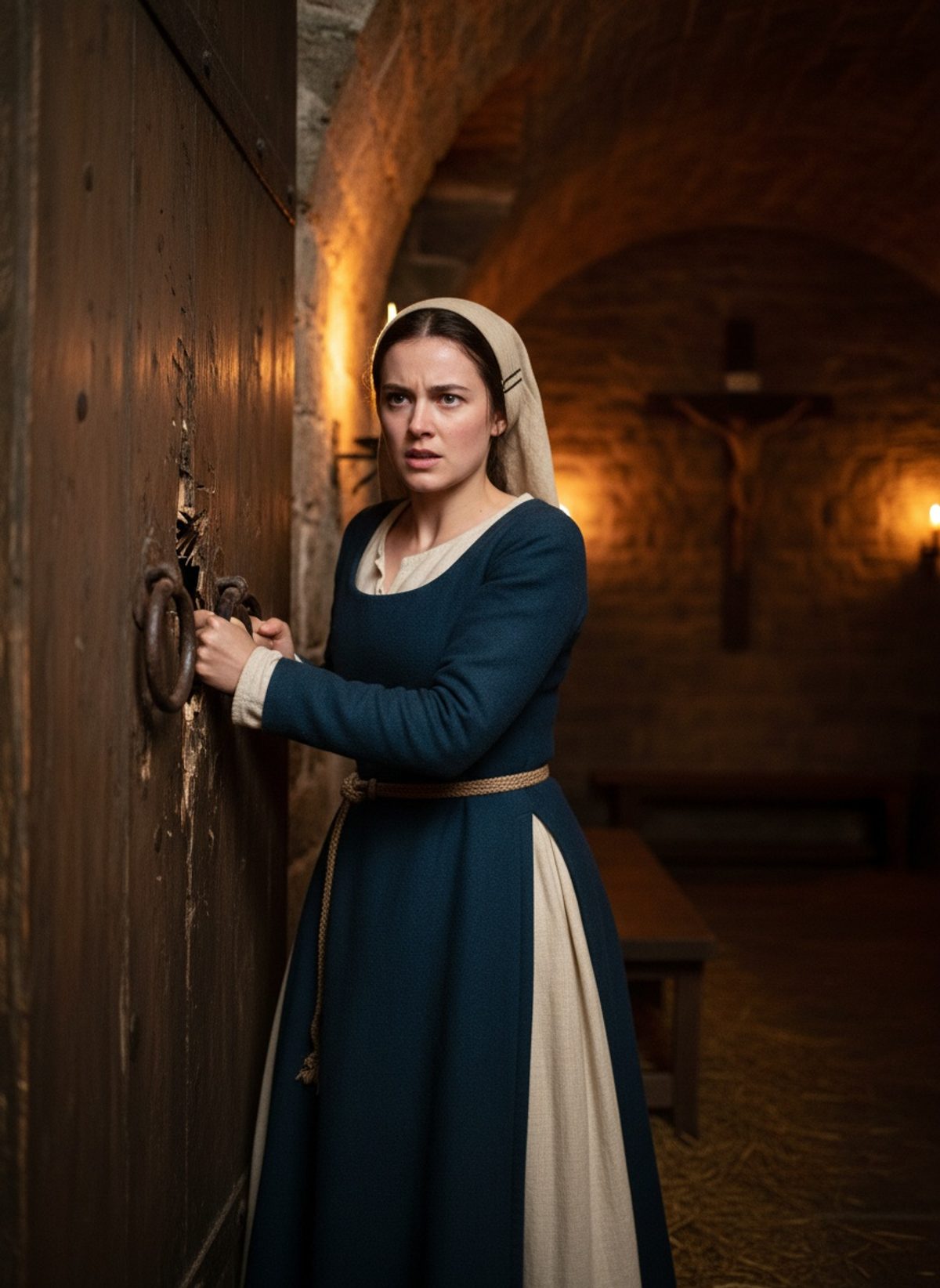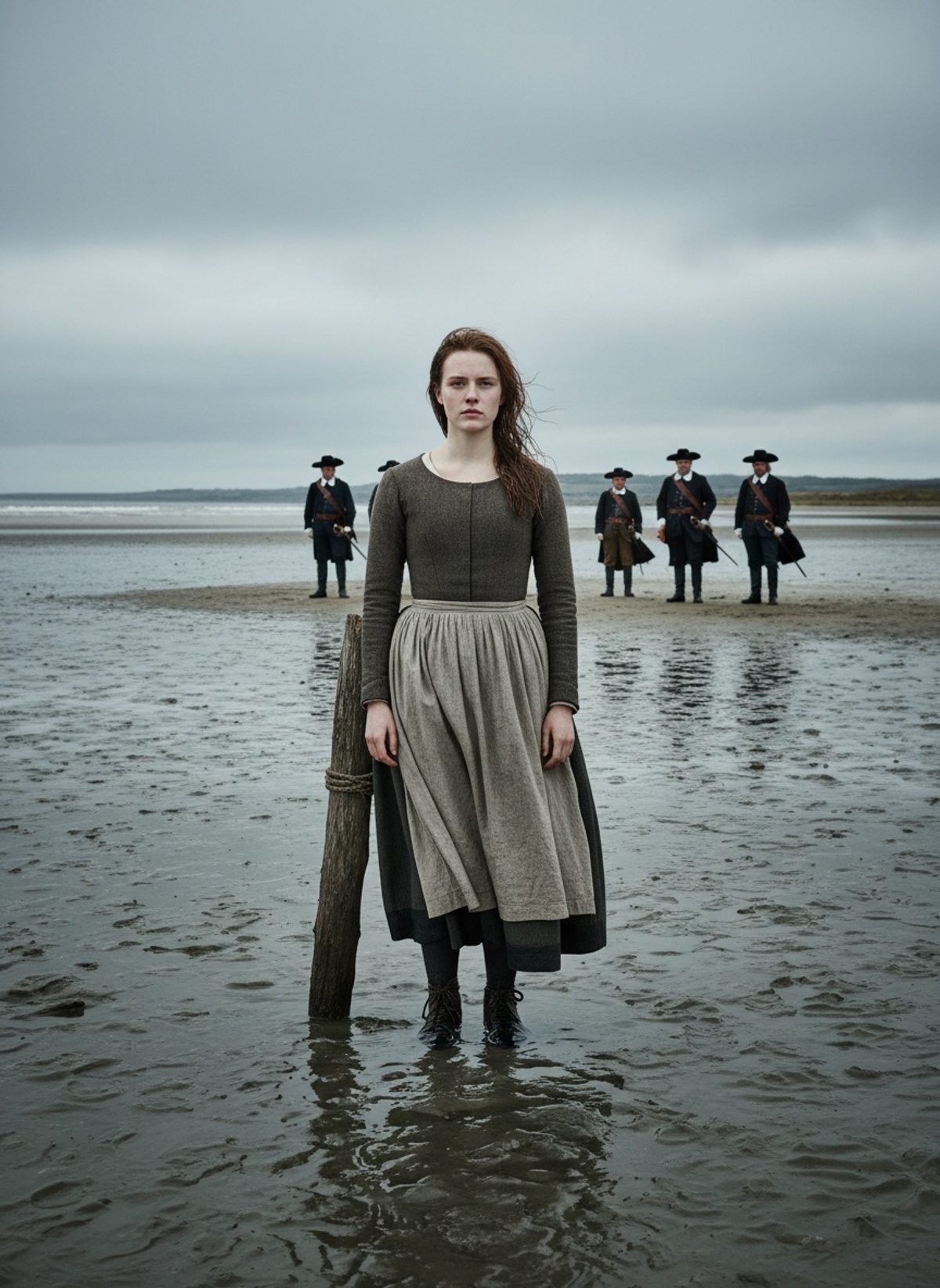
Few know the name Margaret Wilson. Yet her defiance echoes through centuries.
Stakes and Convictions
In the raw, windswept spring of 1685, the Scottish town of Wigtown found itself at the heart of a religious storm. Margaret Wilson, a young dairymaid, stood defiantly against the powerful forces of the Stuarts, who demanded allegiance at the price of conscience. The brutal backdrop of the Killing Times was a period in Scottish history where Covenanters, devout Presbyterians, faced persecution for rejecting the King's authority over church affairs. For Margaret, her conviction was her creed, a loyalty to her faith that was unmoved by threats of death and decrees of conversion.
The contrast between the bucolic tranquillity of Galloway's pastures and the turbulent ideological battles of the time paints a vivid picture. Amongst the drystone dykes and open skies, concepts like freedom and tyranny were tried in the courts of conscience and the marketplace of belief. On these sanctified grounds, Margaret's resolve was to be tested by a force unwilling to bend. Her faith, viewed through the purview of state control, was a provocation that demanded suppression.
The March to the Solway
Margaret, along with her sister Agnes and another elderly woman, Margaret McLachlan, was charged with treason for the simple act of non-conformity. The order to submit to Episcopacy was not just a demand for outward compliance but an insidious attempt to dominate the soul. The decree's enforcement along the tidal flats of the Solway Firth was intended to serve as a merciless symbol of consequence for insubordination. These littoral lands, subject to the tumultuous whims of the tide, became a canvas for state-sanctioned martyrdom.
Read next: The Night a Scots Miner's Wife Kept a Village Alive
Under guard, the young Wilson sisters were led to their execution site, a grueling procession through the rugged majesty of southern Scotland. The Wigtown sands would witness their endurance against elements both moral and natural. Driven into the sand, the stake was an unyielding reminder of the harsh ultimatum: recant, or be consumed by the relentless tide. It was a choice without a true choice, an impossible decision designed to break wills. The salty air hung heavy with the unspoken question: Would they forsake their faith under the crushing weight of fear?
Threshold of Tide and Time
As the tide began its inexorable rise, onlookers gathered to witness what was both an execution and a vivid testament to unyielded belief. From her tethered place, Margaret sang a psalm. These were not songs of mere defiance but hymns of eternal hope—a melody reaching towards a divine audience, undeterred by the threat of death.
To those witnessing, the scene must have seemed unreal. As the waters climbed her legs, the chill of an advancing death met the warmth of unwavering conviction. The elements themselves seemed to pause in their aggression, lending more weight to her serene refusal to kneel. Margaret’s voice, carried by the seabreeze, harmonized with the crash of distant waves—blending the temporal with the eternal in that pivotal, harrowing moment.
Margaret’s steadfastness was a harrowing spectacle to her fellow countrymen, a stark reminder of the irrepressible spirit manifest in the face of authoritarian repression. The core of her testament lay tethered somewhere deeper than the Sand, within the bedrock of faith and principle—unchangeable by any tide.
The Tide Takes Her
In the tradition of so many who stood against impossible odds, Margaret's final moments were veiled in a dignity both unspeakable and absolute. As the waters of the Solway Firth engulfed her slight frame, the young martyr's psalm was silenced only by her physical surrender to the sea. She joined countless others whose lives ended as symbols, their martyrdom casting faith into the future to alter the contours of spiritual devotion.
Those who watched were left revering a martyr whose narrative refused to wash away with the receding tide. Margaret Wilson’s death transcended mere martyrdom, embedding itself into a potent chapter of Scotland’s chronicles of resistance against religious oppression. Her demise was not a quiet submission but a reanimated call to liberty that resonantly spoke across time and place.
Echoes Upon the Shore
Margaret Wilson's story persists in the annals of history, not merely as an account of death but as a profound reflection on courage and conviction. It does not diminish with the retelling but enlarges, inviting reflection on the rights of conscience and the heavy toll of standing firm in beliefs. Her final act—an unyielding refusal to kneel before the crown’s coercion—illuminates the eternal struggle between power and principle, between authorities and the souls they seek to command.
The echoes of that day continue to ripple outward, carried on the winds of history, sparking introspection and respect for those who nurture their convictions in the fires of trial. Margaret Wilson’s unwavering faith and the haunting beauty of her final stand possess an enduring credibility untouched by time. In the demarcation between ocean and sky, her courage transmuted into the tides of history, flowing ceaselessly towards those who dare to listen.