A crowned king should command respect and loyalty. But a captive king who never ruled? His reinvention was Scotland's gain, and England's underestimation.
In 1424, a significant shift in Scottish power unfolded, hidden behind the castles and hills of Scotland. This story begins on the deck of a ship in 1406, where James, an eleven-year-old heir to the Scottish throne, was captured by English pirates as the turbulent tides of fate pulled him into imprisonment. Little did the English realize that the young boy they held hostage would return to them not as a weakened monarch but as a formidable force ready to shape the destiny of a kingdom.
James's captivity lasted nearly two decades. If his English captors expected time and isolation to dim his potential, they sorely miscalculated. Under the watchful eye of his captors, James received an unintentional education in governance and diplomacy. This was a world where knowledge was power, and James quietly absorbed everything, a patient student awaiting his time. The English, perhaps smug in their possession of the young prince, inadvertently granted him access to their ways — politics, military strategy, culture — all melting into the steel of a ruler in the making.
When he finally walked free in 1424, it was not a broken man who stepped back onto Scottish soil, but a king reborn. The court that awaited him was mired in disorder, with nobility accustomed to their own rule rather than that of an absent king. They expected a daunted returnee, compliant and easily influenced. Instead, James proved to be a cohesive force, his vision for a unified Scotland unwavering and meticulously conceived during his years away.
Read next: The Day a Scots Girl Thrust Her Arm Through a Door to Save a King
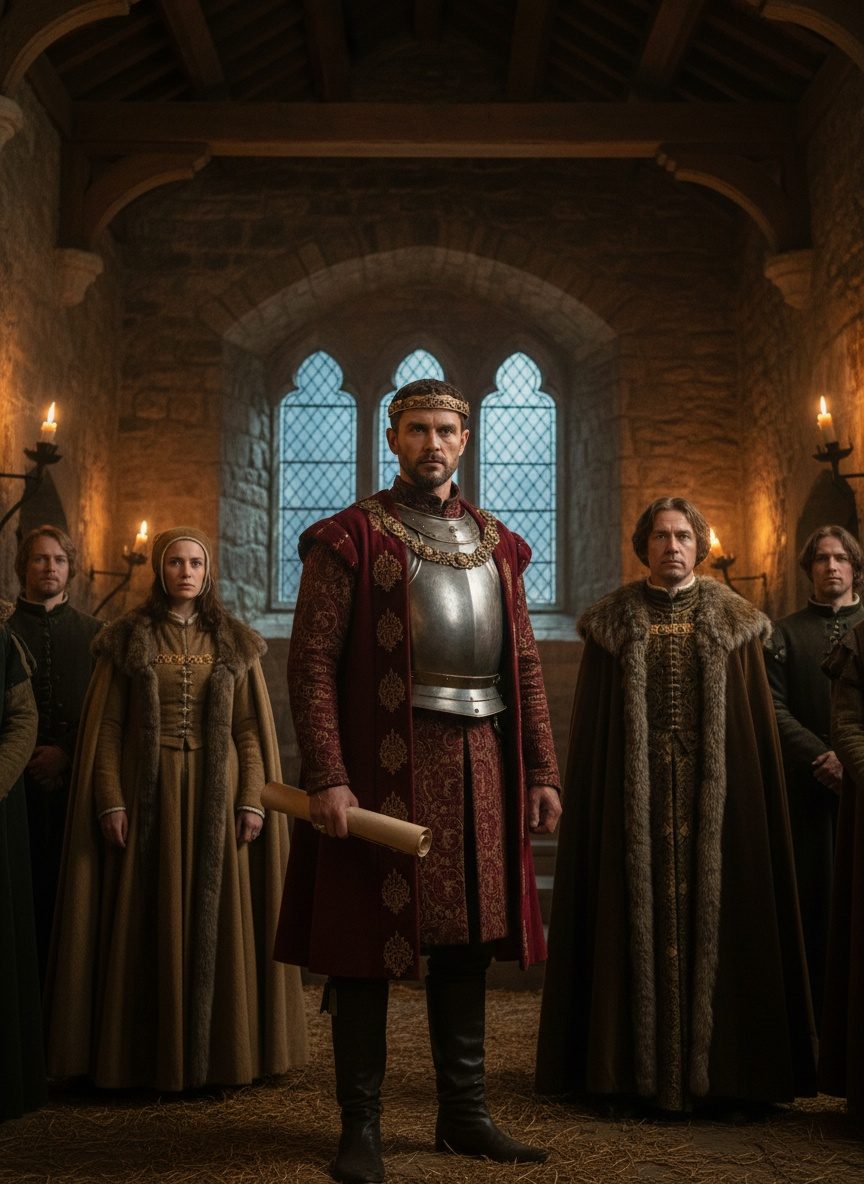
One of James's immediate challenges was to assert his authority and claim his rightful governance over a restless nobility. Key to this was confronting those who had wielded unchecked power in his absence. Among these challenges was a day that has been tucked away in the folds of forgotten history, a confrontation in the royal court. A prominent noble, whose family had benefited from the lack of a central authority, was summoned. Expected to kneel and pledge fealty, the man refused. His defiance was a gamble, a public test of resolve for the newly returned king. James, hardened by his years abroad, stared down the potential insurrection, his steady gaze holding depth and determination. The room held its breath, fully aware that the power dynamics of Scotland teetered on this very moment.
James’s response was not of immediate reprisal, but one of calm steadiness, demonstrating that sovereignty lay not in mere displays of power, but in the unwavering strength of will and strategic patience. The noble's refusal to kneel was met with a collected resolve that signaled the end of self-serving dominance. The rebel stood publicly corrected, the king's message clear: no one was above the rule of law or the crown's authority — a resoluteness absorbed from the heart of English governance but shaped by a distinctly Scottish grit and vision.
James initiated reforms that altered the course of Scottish history. His focus on law and order, inspired by his education in captivity, kindled the transformation of Scotland from within. He sought to curtail the pervasive feudal power, reestablishing the king's authority and laying the groundwork for a modern state. His measures were not without resistance, yet they heralded a new era where the crown's reach extended beyond palace walls, echoing through the valleys and towns.
Moreover, James’s influence extended beyond politics into culture. Encouraged by the literary exposure during his captivity, he sought to cultivate a flourishing Scottish culture, championing poetry and arts. His reign initiated a cultural renaissance, a flourishing of arts and education that ripened the intellectual climate of Scotland, leaving ripples across generations. James, once a hostage of fate, became a sponsor of Scottish creativity, his vision piecing together the fragmented cultural identity of a kingdom.
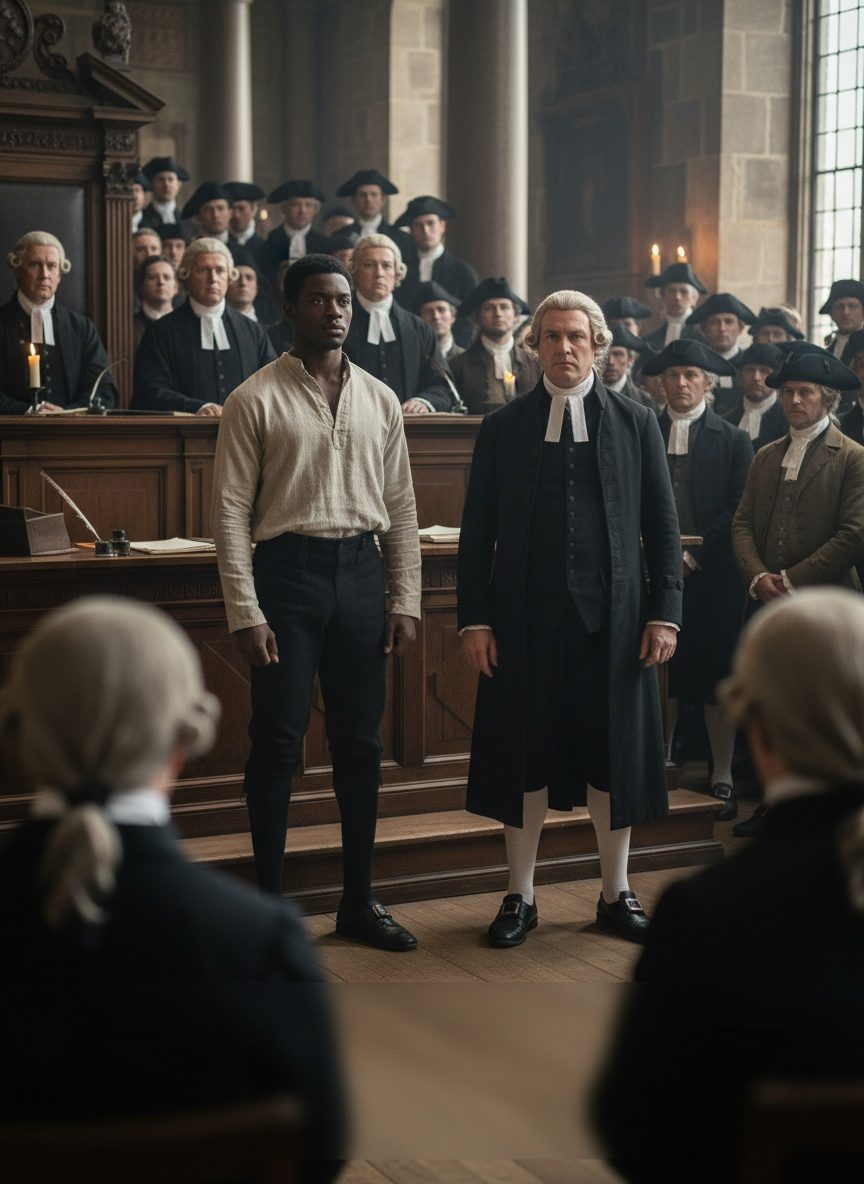
James's leadership left an indelible mark on his homeland, a testament to resilience and forward-thinking. The image of a Scots hostage standing before a king refusing to kneel serves as a vivid metaphor. It encapsulates a broader narrative of defiance not only in the face of political challenge but against the tide of diminished hope and expectation. The tale underscores how adversity, rather than crushing the spirit, can fuel a transformative resolve. His steely reign and his thundering reforms remind us that sometimes the shackles of imprisonment are not the chains that bind us, but the lessons that free us.