Robert was only a name. Until it wasn’t.
In 1314, on the fields of Bannockburn, a singular event unfolded that would resonate throughout Scotland. The armies of Robert the Bruce, an unlikely coalition of clans and peasants, stood firm against the might of the English, securing a decisive victory that turned the tide of Scottish independence. Few moments in history pivot the destiny of a nation as the Battle of Bannockburn did, yet Robert the Bruce’s influence went beyond the battlefield, embedding itself into the very fabric of Scottish identity.
The King’s Proclamation of Unity
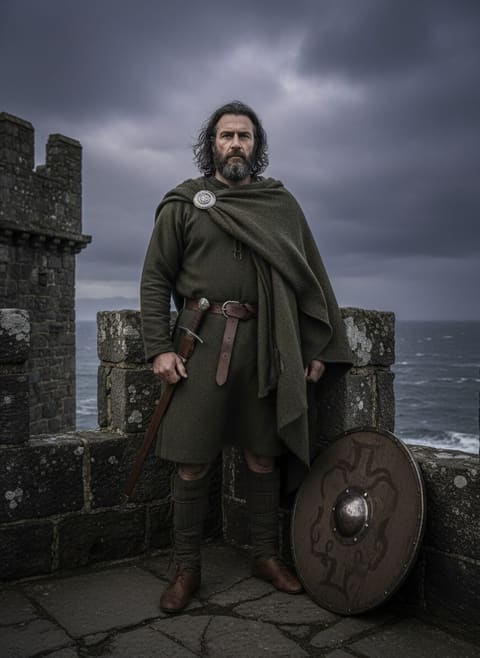
Robert the Bruce ascended to the throne during a tumultuous period for Scotland. His reign from 1306, marked by constant strife with England, was initially met with skepticism among the Scottish clans. However, Robert's strategic acumen and steadfast resolve gradually won them over. As head of a newly unified Scotland, he made a daring proclamation: Scotland for the Scots. This battle cry demanded not just military victory, but a united cultural identity.
It's not widely known how many times Robert was underestimated. For years, his struggle seemed doomed. However, with each skirmish and battle, the flames of rebellion kindled across the clans. By the time of Bannockburn, Robert’s desire for unity had taken root. His final triumph at Bannockburn served as both a military and a symbolic victory. The battle was not just about territories but about cementing a national spirit that would persevere for generations.
Read next: The Day a Scots Weaver's Son Freed the Kirk From a King
Bannockburn: The Turning of the Tide
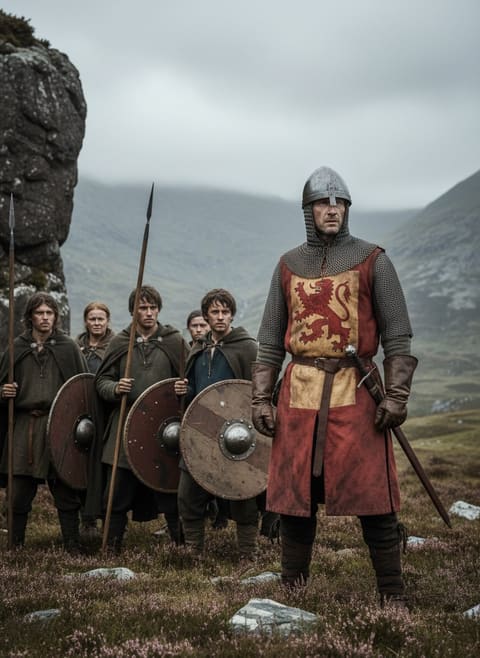
The morning of June 24, 1314, dawned with grim anticipation near Stirling. The English army, laden with knights and foot soldiers, anticipated a swift defeat of the seemingly ragtag Scottish army. However, under Robert the Bruce’s leadership, the Scots held firm, exploiting the terrain and their determination to great effect. His tactical brilliance and understanding of his men’s capabilities turned the battle into a strategic masterpiece, one that saw the mighty English retreat before the Scottish pike formations.
Bannockburn marked not only an extraordinary shift in the struggle for independence but also a surge of Scottish pride and identity. Here, Robert cemented his role not just as a monarch but as a symbol—a living embodiment of Scotland's unyielding spirit. It was a declaration of the clan's role in unification, urging a diverse population to call themselves one people, under one crown.
A Name Spoken in Reverence
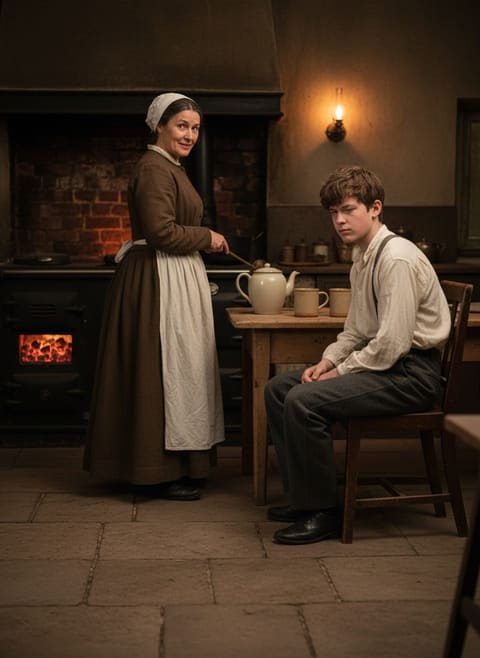
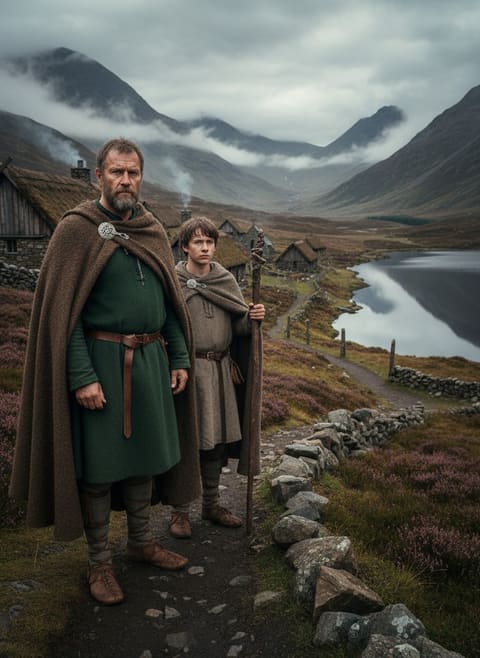
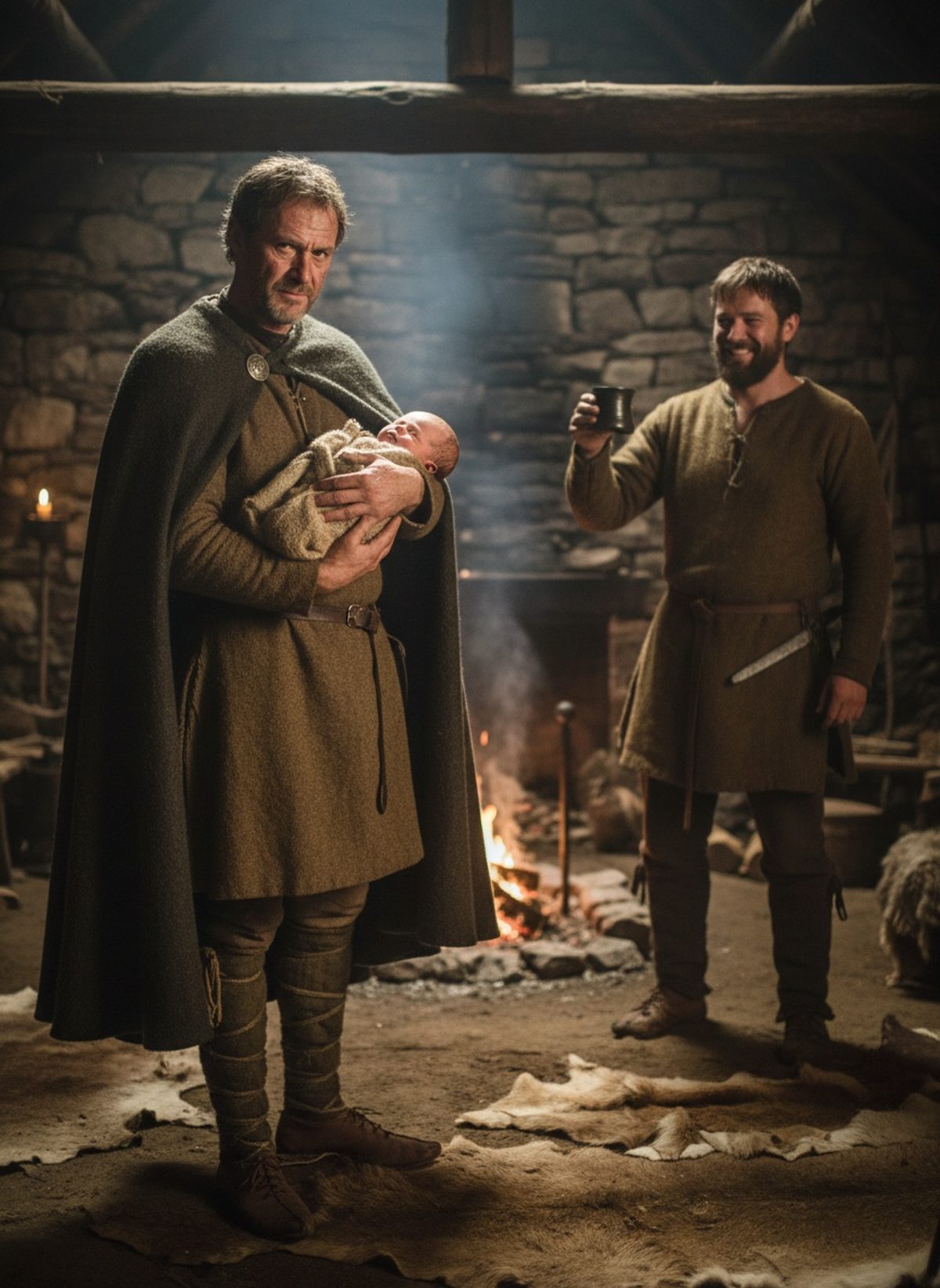
In the wake of victory, something subtle yet profound began to unfold. The name ‘Robert’ found its way into households across the Scottish realm. Fathers, once proud of their chaotic independence and disparate lineages, began naming their sons after the king. It was an ode to the man who had given Scotland her freedom—a name now associated with bravery, resilience, and unity.
In a land where heredity weighed heavily, this simple act of naming signified a sea change. Clan leaders and farmers alike saw fit to pay tribute to their king in a personal, lasting way. Naming their sons ‘Robert’ was more than homage; it was an acknowledgment of a collective struggle, a shared victory. It was a promise to the future that the spirit of Bannockburn would not end on the battlefield but live on through generations.
Read next: The Day a Highland Clan Turned a Massacre Into a Legend
Roots Forged in History
The proliferation of the name Robert among Scottish families encapsulates a powerful lineage of remembrance. While history books may speak volumes about kings and battles, they seldom capture the quiet reverence seeded through everyday acts. In choosing this name, Scottish families planted a shared memory into the very essence of the nation’s succeeding generations.
Year after year, as sons were born into a now-free Scotland, the legacy of Robert the Bruce endured. It was a challenge met with ferocity and an unwavering pledge to a kingdom that was finally claiming its sovereignty. Every ‘Robert’ was a living testament to a pledge made on those fields in 1314—a pledge that declared Scotland's heart belonged unequivocally to itself.
A Legacy Beyond Victories
Today, the name Robert echoes throughout Scotland as more than a mere nod to ancestry. It serves as a continuous reminder of courage and unity, values that remain central to Scottish identity. Though the Battle of Bannockburn and the name it enshrined might be featured in history textbooks, the deeper narrative lies in the personal tales shared in homes and hearts.
The day Scottish fathers began naming their sons Robert marked the birth of a collective identity beyond stately declarations. It speaks to the power of a single name to shape and define the spirit of a nation. Robert the Bruce’s indelible impact resonates in every generation that followed, challenging us to appreciate the living history within our names. What we carry from the past is more than legacy—it's a purpose forged from our shared triumphs and trials.