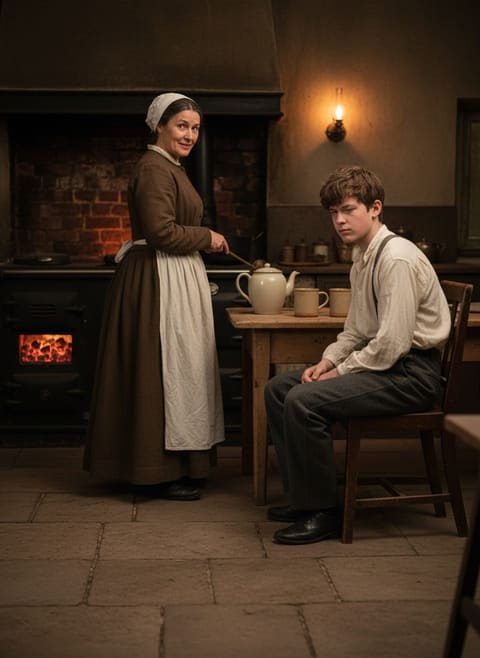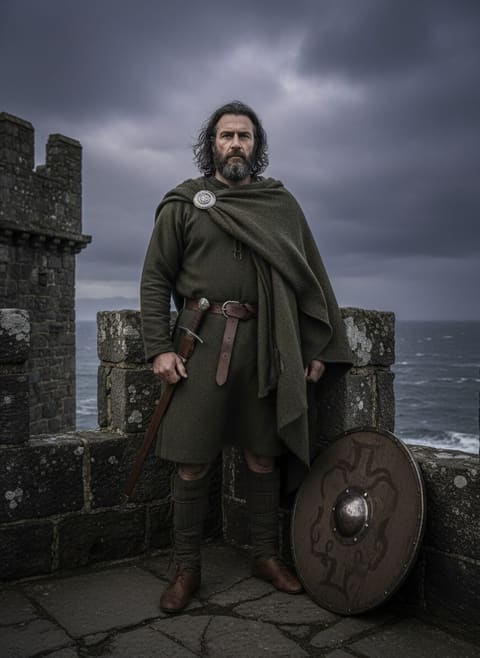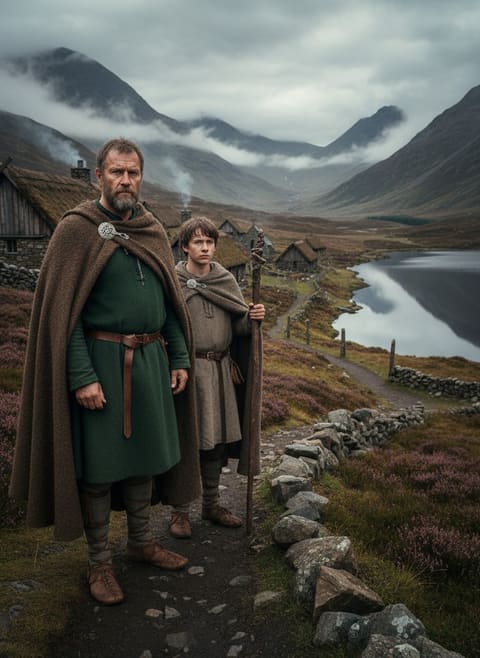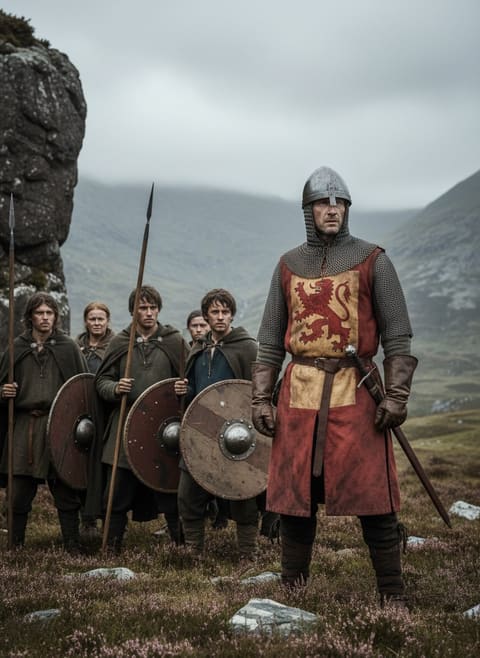
On a summer night in 1388, the Scottish and English armies clashed under the cover of darkness. By dawn, a crucial victory was decided, and a hero's fate sealed.
The Moonlit Gathering at Otterburn
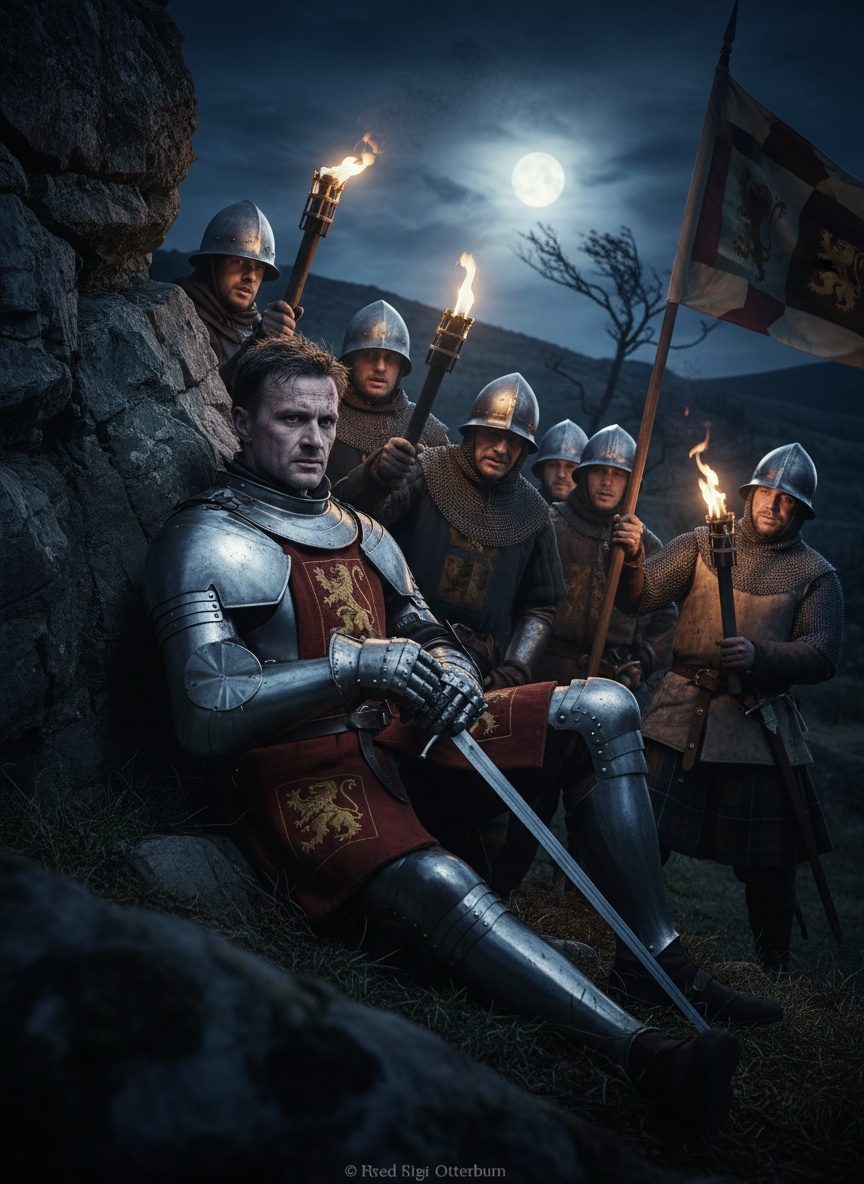
The fields of Otterburn, on the border of Scotland and England, were ablaze with the sounds of clashing swords and war cries on the night of August 19, 1388. It was a typical scene of medieval warfare — chaotic and relentless. The Scottish forces, led by James Douglas, a formidable Earl known for his military prowess, had ventured deep into the English territories. They aimed not just for regional dominance, but for a display of Scottish resilience and cunning. The choice of battling under a moonlit sky was no accident. It was a strategic move relying on stealth and surprise, both skills honed by the Scots after years of guerilla tactics against the English.
The night was fraught with tension, the threat of English retaliation looming large in the humid summer air. No one could predict how the skirmish would unfold. It was under these precarious circumstances that fate dealt its hand, testing the spirit and cunning of the Scottish forces. What began as a bold raid for plunder had transformed in a single night into a pivotal clash setting the stage for heroism and sacrifice.
The Mortal Fall of a Leader
In the midst of this turbulent night, tragedy struck when James Douglas, the revered Earl, was struck down by three English lances. It was an injury that whispered of death with every forced breath. His body was betrayed by fate, his spirit demanding nothing less than victory for his men. Amongst his loyal captains, the Earl issued his final command — conceal his death from those who fought for him, protect the morale of the Scottish warriors at any cost. His vision was clear in those final moments: victory must not be besmirched by fear or hesitation from his followers.
Read next: The Day a Scots Weaver's Son Freed the Kirk From a King
To many of his men, James Douglas was not just a leader; he was the embodiment of their cause, a symbol of unity and resilience forged in the bitter fires of conflict against their southern neighbors. Commanders like him were not merely strategists; they carried the hopes and dreams of an embattled nation, their stature woven into the very fabric of Scottish defiance. His fall could have been catastrophic, yet the plan to keep his death a secret became Douglas's ultimate strategic maneuver, ensuring the fight would continue without pause or falter.
The Legacy of Courage Amidst Chaos
Hidden from view, the lifeless body of James Douglas was not a tombstone for Scottish ambition but a rallying point. The task of carrying his banner fell to his closest allies, each aware that their actions now transcended mere survival — they were guardians of a legacy. Behind the shield of secrecy, united by loyalty and the fear of dishonor, the Scots fought with renewed vigor. The fierce determination of James Douglas infused the Highlanders, giving them strength amidst overwhelming odds.
As the night deepened, the English forces, led by Sir Henry Percy — renowned and formidable in his own right — found themselves outmaneuvered. The Scots, buoyed by the conspicuous absence of retreat or concern around Douglas's fate, held their ground with unyielding tenacity. By morning, the English forces faced an undeniable truth: they had been bested against the brilliance of Douglas's strategic mind, even in death.
Read next: The Day a Highland Clan Turned a Massacre Into a Legend
The Defiant Spirit of Scottish Kingship
The tale of Otterburn is not just about one man's decision made in the throes of death; it is a compelling narrative of the human ability to transcend despair through determination and collective will. Hidden within the heart of this skirmish was a greater truth known to those who ventured under its darkened skies. James Douglas's last command became a lesson in leadership that would echo through Scotland's history — a nation often locked in the shadows of foreign dominance and internal turmoil, yet always capable of rising with fervor on the battlefield.
Historians have often pondered the implications of presenting a unified front during moments of schism and doubt. At Otterburn, those ideas took root and flourished, nurtured by the heroic heart of a dying Earl who, in his final breath, gave life to the courage of an entire army. The soldiers' choice to conceal their leader's demise chisel their names into the annals of history. It serves as a reminder of the extraordinary feats that emerge from extraordinary leadership, especially when forged in the crucible of honor and unity.
James Douglas's legacy lives on, not merely because of his tactical prowess or the singular victory at Otterburn but because of what he symbolized — defiance and hope, the enduring spirit of a nation continually seeking freedom in adversity. His story is not confined to the pages of textbooks but is woven into the traditions and legends of Scotland, whispered in the winds that sweep across its battlefields, inviting us always to remember those who rose like the night and fought for the dawn.