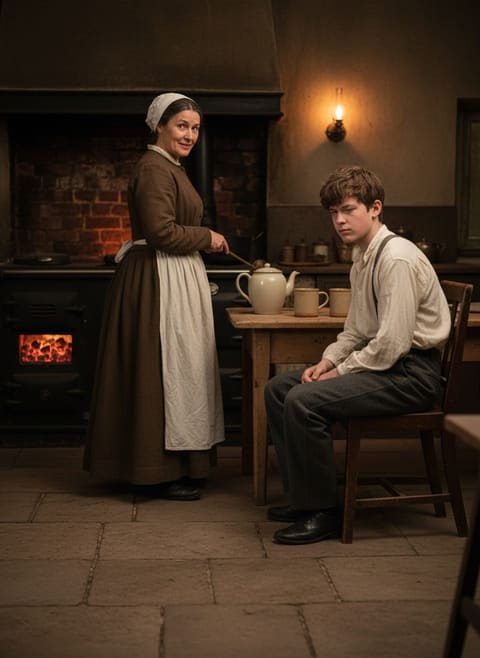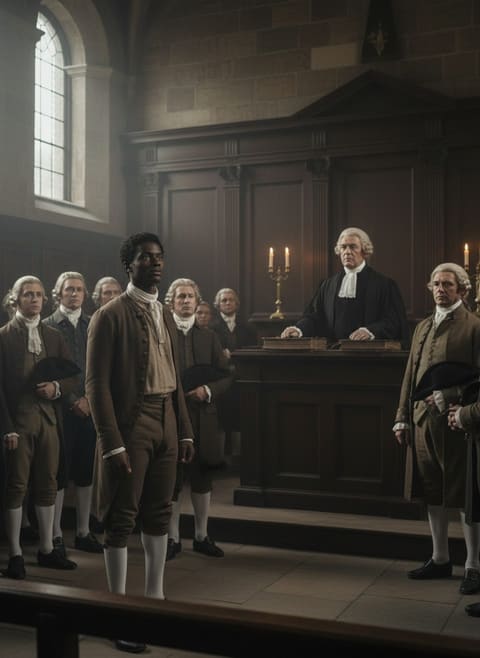
James I of Scotland could have returned to his homeland full of contempt. Instead, he returned with nothing but resolve and trust. His long years as a hostage had not broken his spirit or his word.
A Youth in Captivity
In 1424, James I of Scotland finally walked home as a free man after spending eighteen years in English captivity. His journey back to his kingdom was more than a mere physical relocation—it was a return to a place he had never truly known as an adult and a test of his royal resolve. Captured in 1406 at the age of 12, James had seen Scotland only as a boy, with vague memories of its rugged landscapes and rich traditions. As he grew into manhood under the watchful eyes of English wardens, the political labyrinth of Scottish clans and English ambitions wove itself into the backdrop of his life.
During his captivity, England was ruled by three kings—Henry IV, Henry V, and the infant Henry VI. In these years, Europe was alive with turmoil; England and France were deeply embroiled in the Hundred Years' War, and Scotland was locked in its own internal conflicts. The true tragedy was not James' imprisonment, but the disarray of the kingdom he inherited, rife with rival factions vying for power without a steady hand to guide them.
Despite the distance and the potential for bitterness, James kept a strategic mind during his detention. He struck a unique balance, maintaining cordial relations with his captors while intent on showing them his respect and proving his value beyond that of a mere pawn. His education was notably substantial, molding him into not just a king by title, but by intellect and vision. His appreciation for music and poetry, cultivated during his captive years, would later deeply influence Scottish culture.
Read next: The Day a Scots Weaver's Son Freed the Kirk From a King
The Journey Back
The day James walked free was marked by a singular promise—a promise that every shackle would have forgiven, that every mile of his return journey home was stitched with skepticism by those who doubted a captive's oath held any weight. Discussions of his release included profound negotiations; the sum demanded was a staggering £40,000—more than his impoverished kingdom could easily supply. Yet, James' resolve did not falter. In the end, a dowry as part of his marriage to Joan Beaufort sweetened the terms, facilitating his return.
For many, returning home after such an absence would have evoked apprehension. James stepped into a land seething with expectations, but the young king did not flinch. He commanded a natural authority likely sharpened in the austere halls of English royalty, where he had been both observer and participant of high diplomatic interactions. His arrival in Scotland was the stuff of legends—a herald to some, a harbinger to others, foretelling the change that his calculated mind would usher.
The long walk back was no simple promenade. It was laden with the burden of expectation. Each step through the Scottish lowlands and highlands resounded with echoes of a king reclaiming his inheritance. His subjects, at first cautious, were quickly taken with a leader whose sharp mind and clear vision promised stability. Where others foresaw rebellion and chaos, James envisioned harmony. His people were in turmoil, yet he arrived with gifts—real and figurative. He had brought Joan, a symbol of unity, a queen whose English heritage promised closer ties and a stronger peace with England.
Promise Kept
James' reign began with significant moves to consolidate power, demonstrating his commitment to his obligations. He knew precisely where to begin. Scotland's treasury, weakened by years of mismanagement, needed to be replenished. He reshaped the financial landscape of the kingdom, determined to uphold the agreements made for his release. He enforced taxes and arrested corrupt officials, a move that shocked a system grown complacent in its excesses. It was not simply a matter of fiscal duty; it was about setting a precedent. As a king, his word—like the weight of a crown—was a vow etched into the conscience of his rule.
Read next: The Day a Highland Clan Turned a Massacre Into a Legend
James set about enforcing laws, previously a fluid concept under regents concerned mainly with self-preservation. His comprehensive reforms in the judicial system, tariffs, and civil law redefined what it meant to be Scottish. With these actions, James was not merely keeping his word to his English captors; he was weeding out the illness of betrayal and lawlessness from his own courts. His rule was tantamount to crafting not just a peaceful reign, but a just one.
Despite his achievements, his reign was not without resistance. His reforms irked many noble families who saw their freedoms curtailed and power bases threatened. The reality of his good-faith negotiations with England contrasted sharply with the fierce independence that many Scots had bled for. Yet, the decisions of James I, the hostage king who had learned the treacheries and triumphs of leadership in distant lands, resonated. The promises he had made were not just diplomatic gestures; they were the blueprint of a new Scotland he envisioned.
In a world where power often meant deceit and broken promises, the story of James I, the king who kept his word, serves as a reminder of the qualities that sustain civilizations. His journey was one of personal integrity, marred by betrayal, yet marked by a king's breathtaking insight into the workings of power and honor. As we look back on his life, we see the roadmap to a Scotland that might have been different had he not walked home with the resolve to change it. In keeping his word, James I stamped his legacy onto the very fabric of his nation.