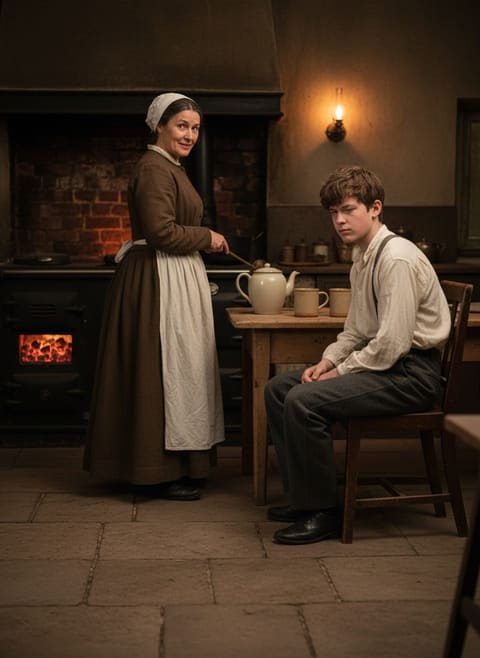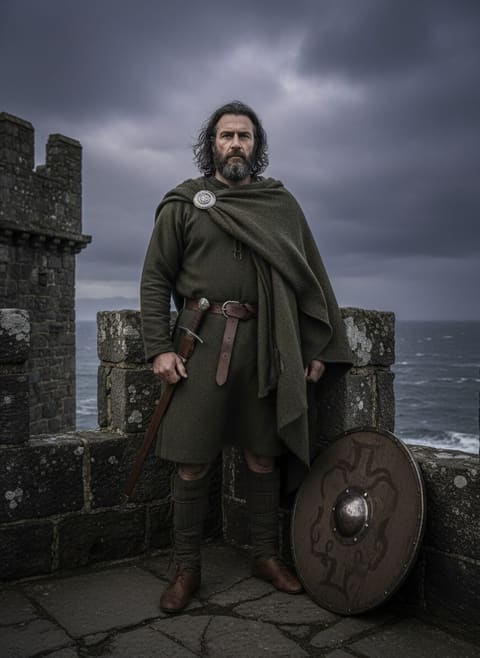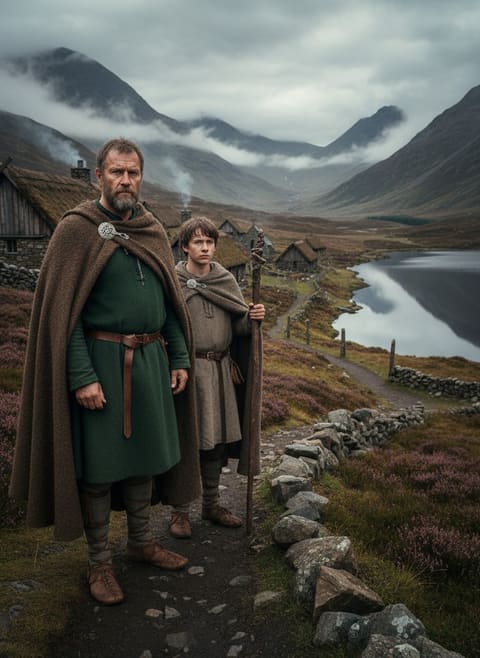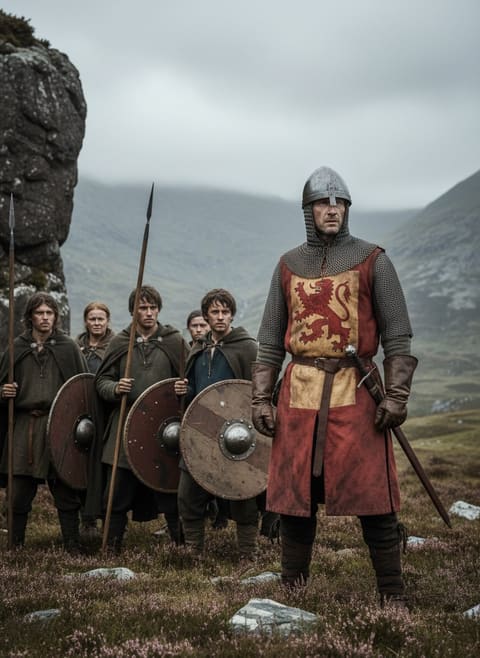
He was only a minister when they rode into town. Yet his word had the force that could hold back a king's men.
The Covenanting Years: Faith's Fiery Furnace
The mid-17th century was a turbulent time for Scotland, entangled in a roiling conflict over religious freedom and royal authority. Known as the Killing Times, this period was marked by the brutal efforts of the Crown to enforce Episcopalian practices upon the Presbyterian heartlands of Scotland, where many held fast to their Covenants like lifelines in a treacherous storm. For the common folk, the stakes were unbearably high. A church that did not follow the Covenant was, for them, no church at all. Their ministers, leaders who risked everything to preach outside the restrictive bounds of the law, became symbols of hope and resilience.
Into this charged atmosphere rode the government dragoons, armed with muskets and mandates to scatter the gatherings. They rode with the authority of King Charles II himself, seeking to root out nonconformity wherever it dared to rear its head. It was not uncommon for them to arrive unannounced in a village, the thunder of horses' hooves announcing their intent as much as any decree. Fear and tension were frequent bedfellows for those who continued to worship in secret fields and glens.
Fenwick's Challenge: A Village in Peril
Fenwick in Ayrshire was one such village, nestled amidst rolling green pastures punctuated by the grey stone of modest homes. Its congregation, like many others, risked everything for their faith, attending outlawed services conducted by ministers perceived as rebels for their defiance of crown and episcopacy. It was here that David Williamson, a man of quiet determination and steely faith, preached to his flock.
Read next: The Day a Scots Weaver's Son Freed the Kirk From a King
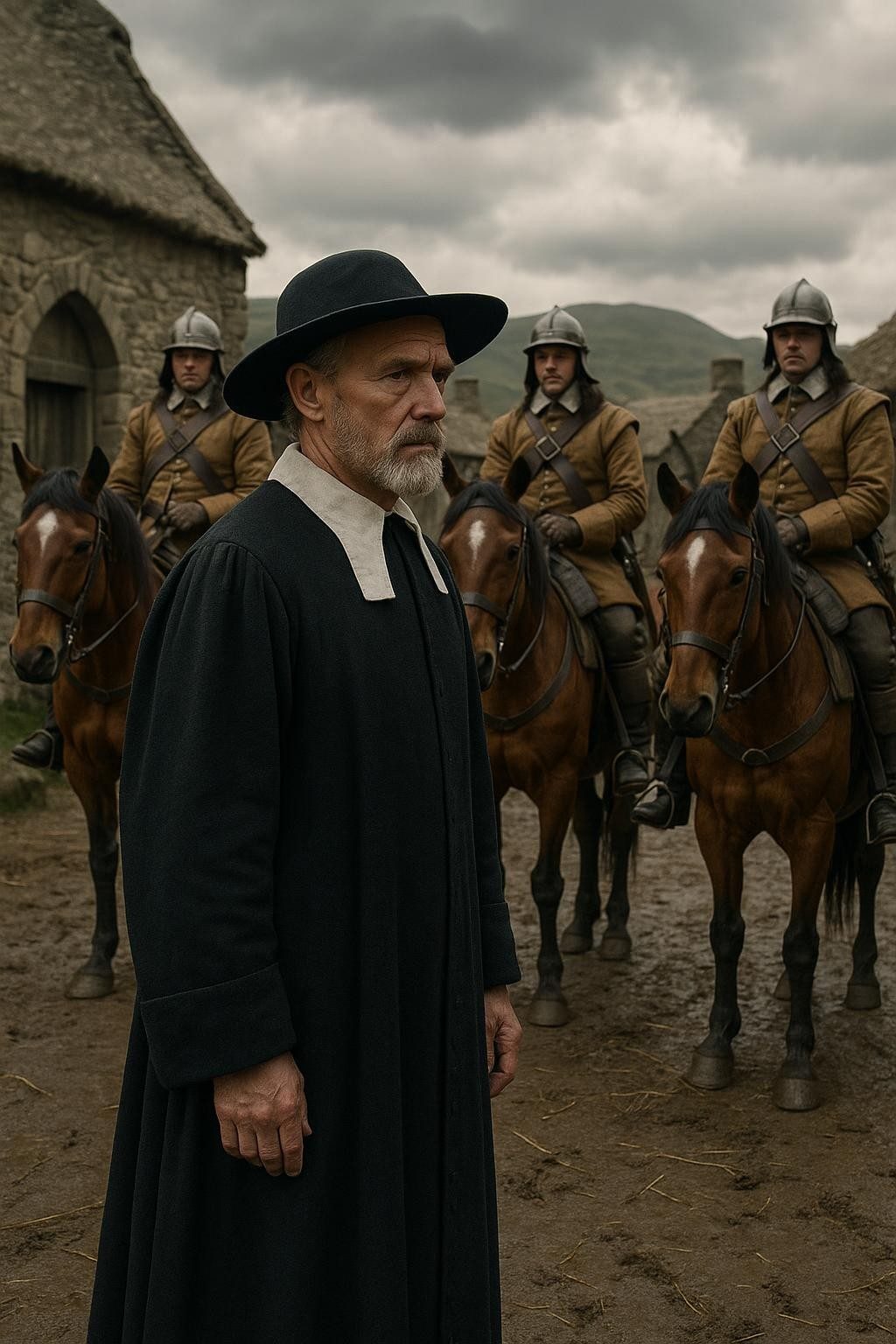
The day the dragoons came to Fenwick was one of those gray, overcast days typical of the Scottish lowlands—ominous clouds roiling like the events about to unfurl. The community knew the soldiers’ arrival meant a choice: abandon their faith or face persecution. As the village people huddled behind shuttered windows and locked doors, Williamson—their shepherd both in faith and courage—emerged alone. His outward calm belied an inner storm, each step towards the soldiers echoing a commitment as profound as it was perilous.
Williamson stood firm on the cobbled road, the border between submission and defiance. The scene was undeniably tense, with the clattering harness of the impatient steeds contrasting sharply against the minister's unwavering frame. He raised no weapon and offered no violence, for his might lay in the strength of his conviction.
Read next: The Day a Highland Clan Turned a Massacre Into a Legend
A Standoff with Conscience
What transpired on that obscure road in Fenwick was not a battle of blades but of wills. Williamson faced a constellation of eyes seeking to measure his soul. The lead dragoon, perhaps taken aback by the courage reflected in the young minister’s face, hesitated. Silence stretched across the village, broken only by the distant bleating of sheep and the whispering wind. The dragoons, capable of quelling many a Scottish uprising with their might, found themselves before an unexpected bastion of flesh and faith.
Words were exchanged—historians speculate on what might have been said. Perhaps Williamson explained why he and his congregation could not in good conscience abandon their practices. Maybe it was a simple plea for mercy, or perhaps a statement of resistance. What is known, however, is that the dragoons, despite their orders, chose this day not to follow them to the letter. They turned back, leaving Williamson and his congregation unscathed, the thunder of their departure a peculiar harbinger of a resolve left untouched.
The Echoes of Fenwick
The events at Fenwick may not appear in most history textbooks, but they are very much legible on the echoes of the past. Here was a moment when the human spirit outweighed the cruel machinery of subjugation. It was an instance where the intangible strength of belief stopped iron-clad soldiers in their tracks, a testament to what can occur when the ordinary stand with extraordinary resolve. Williamson exemplified the power of one man standing for many, a lesson in what it means to hold true even when faced with insurmountable odds.
Such moments of bravery remind us that the struggle for religious freedom and personal conviction has always traveled alongside the path of history, sometimes quietly, sometimes roaring with all its might. In a world where power frequently wrestled with faith, the day a minister placed himself between danger and his flock reflects the timeless interplay of conscience, courage, and the enduring strength of the human heart. As we glance back through the mist of time to the village of Fenwick, we glimpse a vibrant thread of bravery that weaves through the richly colored tapestry of Scotland’s past, a reminder that individuals—much like legends—are often born in the quiet folds of unassuming places.