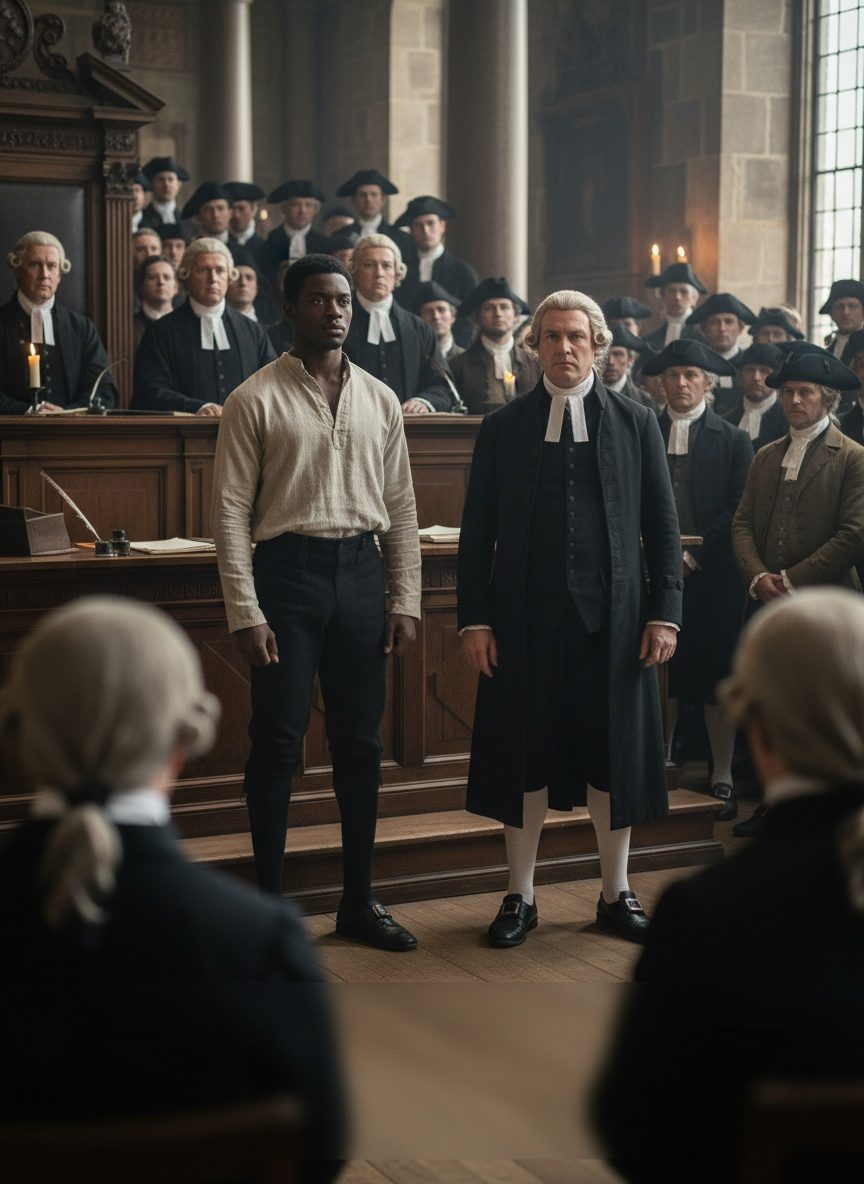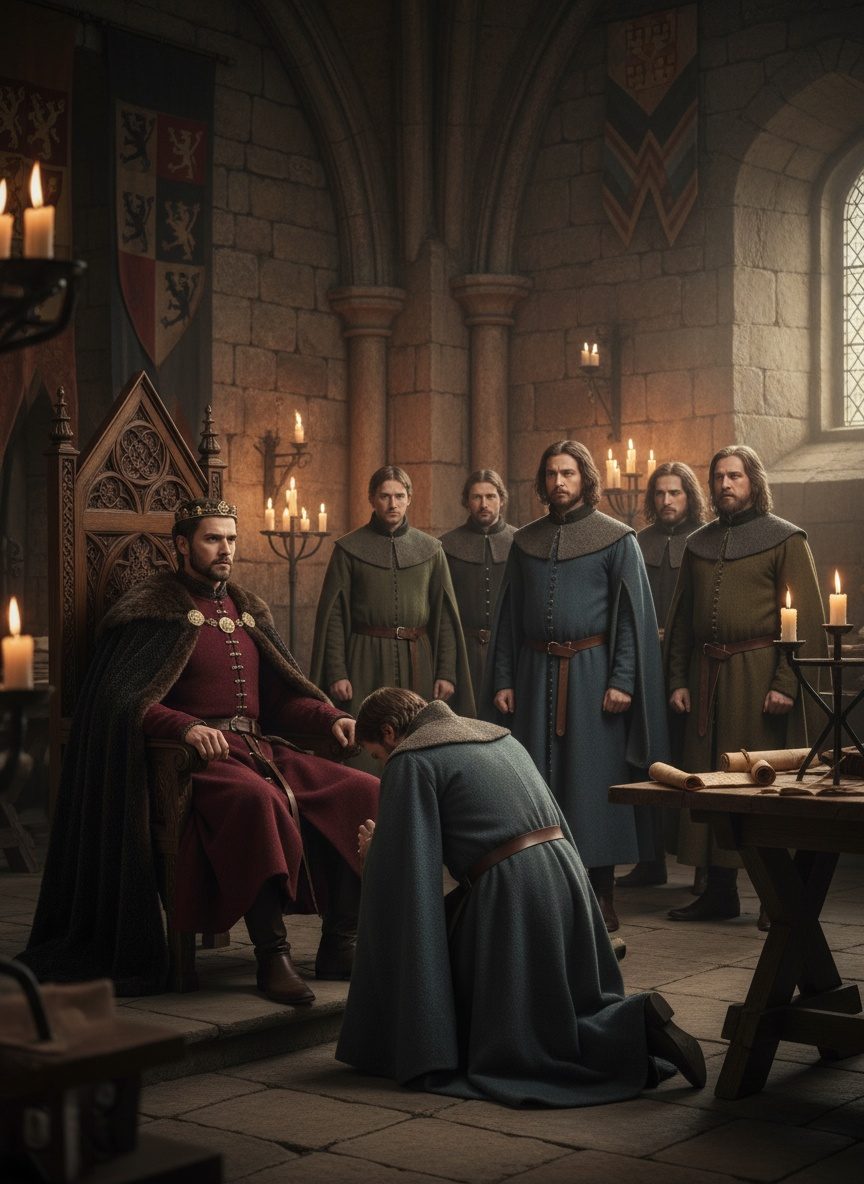
James I should have been a king of vengeance. Yet his return home was marked by mercy, not retribution.
The Boy Captive
Imagine a child of eleven, nervously clutching the familiarity of home as he's whisked away to a foreign land. James Stewart, destined to become James I of Scotland, found himself in this harrowing position in 1406. Captured by English pirates off the coast of Flamborough Head, James was delivered into a new life at the English court, his royal future now shackled by the whims of another king. For nearly two decades, the Scottish heir lingered, a stranger in a stranger's land, living in opulent captivity. Under the guise of an honored guest, he was educated and tutored, absorbing the rich tapestry of English court life. Yet beneath the courtly training and refinements lay a simmering awareness — his childhood was stolen, and his kingdom left under the stewardship of self-serving regents.
The Return of a King
James I returned to Scotland in 1424 as a man of 29, his youthful innocence tempered by years of enforced exile. Upon arrival, he was met not with jubilation, but with the somber realities of a nation fractured by infighting and lordly overreach. The kingdom he had inherited was a tapestry, frayed at the edges by noble feuds and unchecked power grabs — a realm that had slipped through cracks widened by the absence of true monarchy. Expectations of iron-fisted retribution hovered thickly over his coronation. Would this man, imprisoned for his entire formative life, govern through the heavy hand of vengeance against those who had let his land splinter?
What unfolded was entirely unexpected. Instead of vengeance, James I wielded a tool more powerful and enduring: law. In a move that confounded both allies and adversaries, he walked into the storied venue of Stirling Parliament and set to the task of rewriting the Scottish saga, not through the shutting of jail doors or the opening of battle plans but through reform and justice.
Read next: The Day a Scots Girl Thrust Her Arm Through a Door to Save a King
Parliament and Reform
The Scottish parliament of 1424 was a formidable body, steeped in the traditions of authority and dominance by the lords. James I, however, was anything but typical. Observers in the candlelit hall might have expected a royal rant, a fiery speech of condemnation. But what James delivered was a paean to law and order, a blueprint to re-knit the fraying fabric of his nation. He sought to dismantle the very tyranny that had taken root amid his absence, turning British medieval politics on its head.
The lords who flocked to parliament expecting punishments were instead faced with reforms designed to rebalance power. James instituted measures to curb excessive feudal control and demanded accountability from regional administrators, carving paths for justice through a system mist-soaked with corruption. He reinforced the crown's authority and regulated economic practices, intending to relieve his subjects from authoritarian burdens and capricious taxes. The reforms were ambitious, envisioning a nation where the sovereign's justice would overshadow baronial might. It was a gamble for governance and one tethered to the conviction that rule by fear was no rule at all.
The Legacy of Mercy
James I's commitment to justice, rather than retribution, forged a legacy that rippled through Scottish history. In placing the well-being of the crown's subjects above personal vendetta, he championed ideas of statecraft ahead of his time. Yet, his reign was not without its tumultuous end. The king, all too aware of the precarity of his position, was tragically assassinated in 1437 — a grim testament to the complexities of the era he sought to stabilize.
Why does this story matter? Because it reminds us that even in the claiming silence of power, the whispers of justice can resound the loudest. James I, who could have easily repaid the hardships of his youth upon his land, instead chose a course that courageously challenged medieval norms. By walking into his parliament with a heart inclined towards mercy, he lite the path toward a fairer governance. The echoes of his reign are engraved not in the battles he might have won but in the reasoned words that underpinned his hallowed parliamentary doorstep. In an age where power often corrupted, his was a reign that set aside the sword for the subtler, enduring force of justice, leaving a legacy of governance couched in empathy over vengeance.