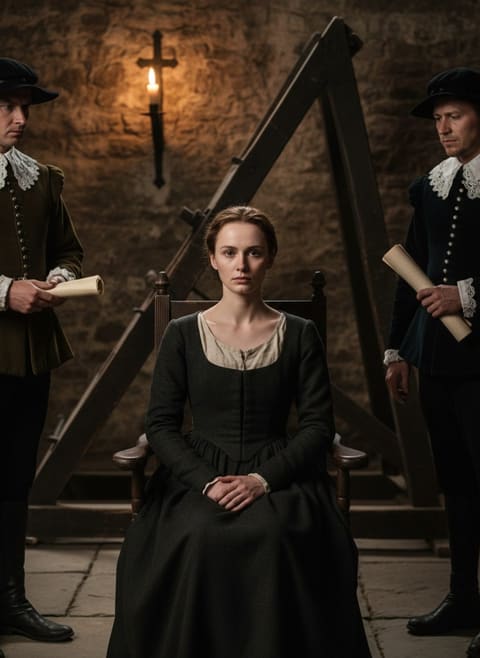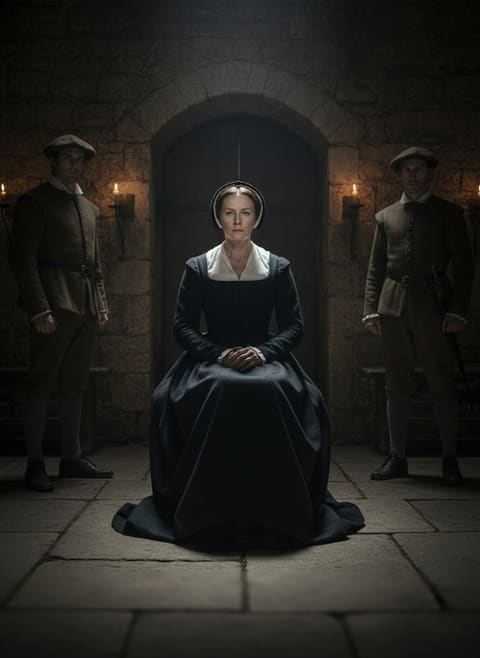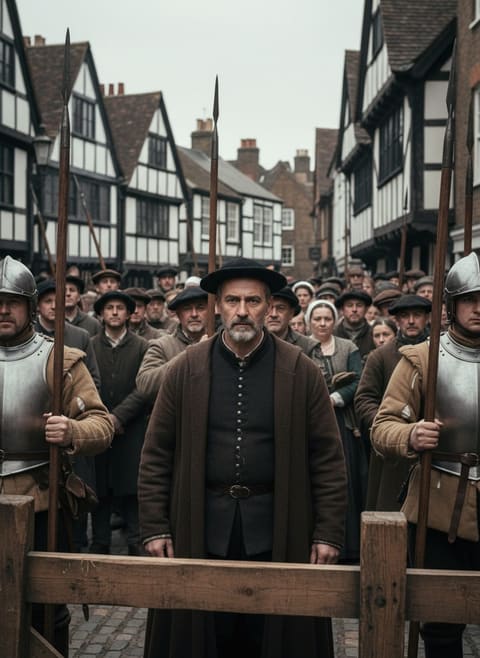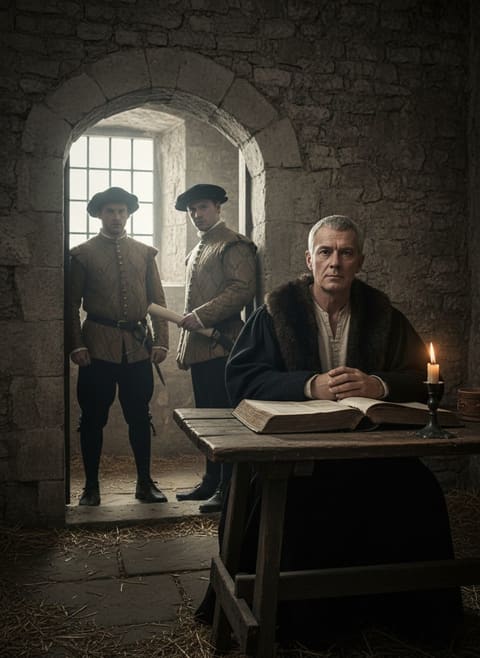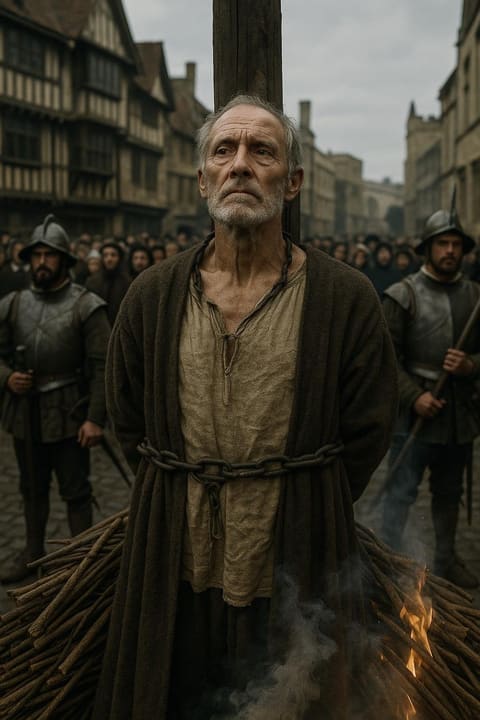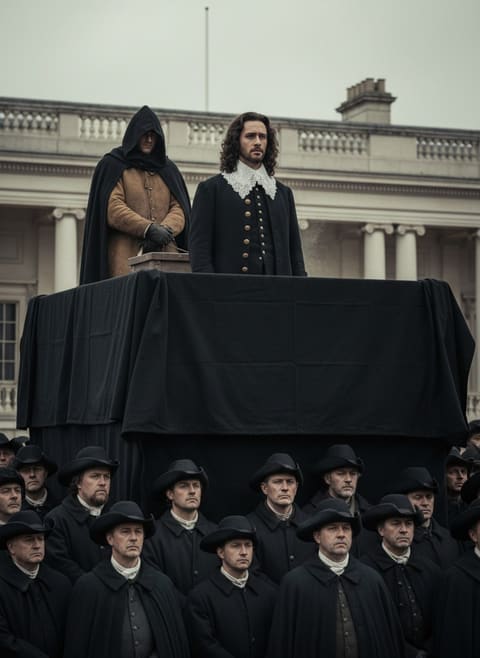
Every breath was a lacerating decision as the oppressive walls of the Old Bailey court seemed to close in around the jurors. Locked away and deprived of nourishment, the twelve men faced their own moral trial separate from the courtroom drama outside. Yet one among them, Edward Bushel, seemed impervious to hunger and fatigue. His determination was fortified not by what he stood to gain, but by what he refused to lose—the sacred duty of a juror to deliver justice without duress.
Judgement at the Old Bailey
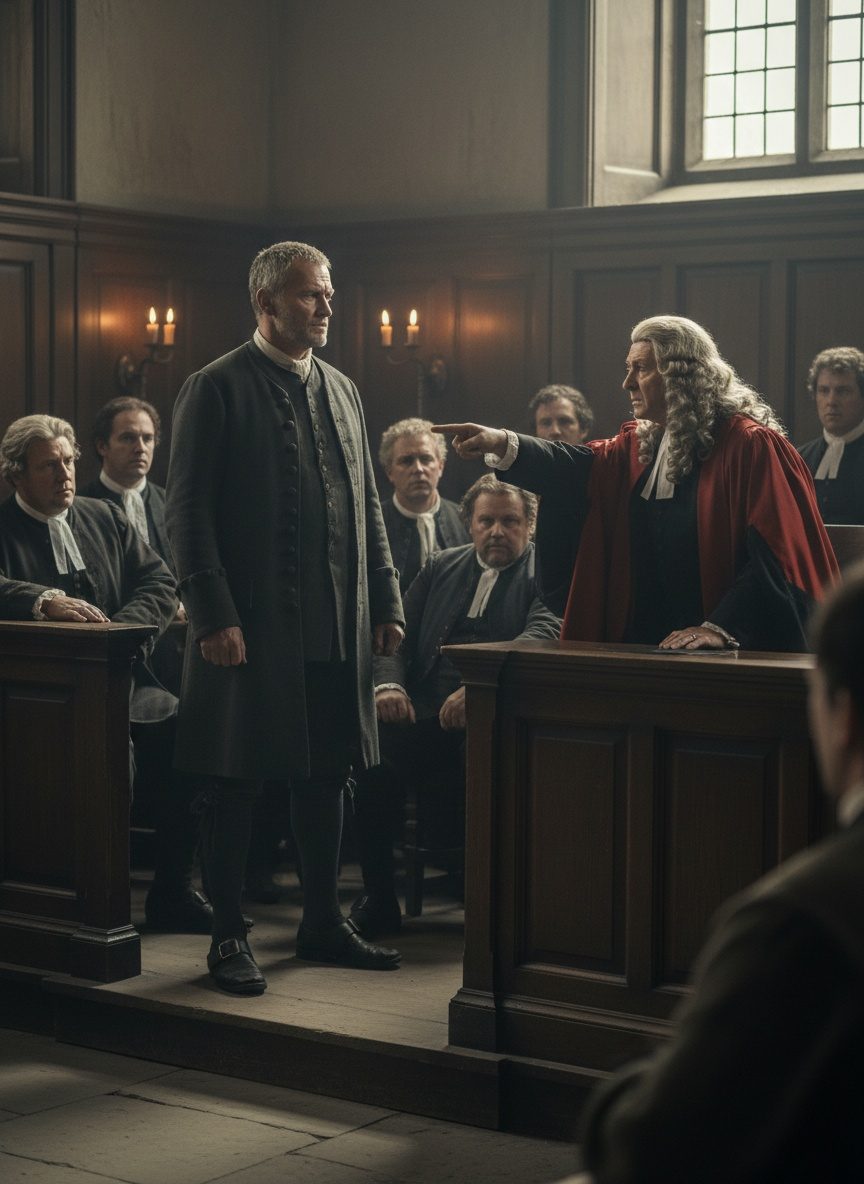
The year was 1670, and London was a city bustling with turmoil and change. The Old Bailey, synonymous now with high justice, was a crucible of the age's legal battles. Eight Quakers stood accused of unlawful assembly—a charge born of fear towards the sudden popularity of unconventional religious gatherings. Crowned by the ominous robes of authority, the judge's eyes narrowed as he gazed at the accused, ready to deliver more than just a verdict: he wielded power, and he expected submission.
Within this turbulent setting, a jury was instructed to cast judgement. Yet as they retired to deliberate, the whispers of concurring voices echoed a decision the judge would find inconceivable: acquittal. The rumblings of dissent surged as the judge not only rejected the verdict but retaliated with measures unheard of—the locking away of the jury, a tactic cruel in its simplicity aimed at bending their will.
The Unyielding Juryman
Edward Bushel, a name not well-tread in the annals of history, was the cornerstone of this unfolding legal drama. The conditions were dire: no food, no water, only the walls decorated with their anxiety. But Bushel anchored himself with a steadfastness as immune to the judge's pressure as the stone of ancient London walls. Starvation and imprisonment were harrowing prices, but they paled against conviction of conscience.
Read next: The Day a Tudor Chancellor Chose Death Over a Royal Lie
The jury's plight soon became a public spectacle—a flashpoint revealing the tensions between enforced obedience and the undefended right of free deliberation. The ordeal forged Bushel as both a symbol and a subject—not of royal praise, but of principle in the face of unyielding force. His resolve galvanized his fellow jurors, yet his suffering extended when the judge ordered his imprisonment for his continued defiance.
The Legal Battle for Justice
The odyssey of Edward Bushel did not end in the depths of a prison cell. His stand ignited a legal battle that would ripple through the pages of British law—the appeal against the coercive clutches of the judiciary. The legal proceedings of the time were far from the transparent constructs we recognize today. The courts were a field of stratagems where precedents were as fluid as the Thames itself, carrying the debris of politics as much as principles of law.
When Bushel's case reached the ears of the Chief Justice, Sir John Vaughan, it presented a crucible for judicial practice. The question dissected was profound in its implications: Could a judge imprison a juryman for not subordinating his verdict? Vaughan's decision illuminated the gravitas of what was at stake—not just the reputation of a man, but the very essence of what it meant to be judged by a jury of one's peers.
A Decision for Ages
The pronouncement came like a clarion call through the corridors of justice: Sir John Vaughan ruled in favor of Bushel. This decision not only released Bushel from his unjust imprisonment but fundamentally altered the legal landscape. The edict underscored the jury's independence—a principle now enshrined in the legal systems across the world. No longer could a jury's verdict be tailored by threats or imprisonment; they possessed an inviolable autonomy, demanding their judgements to be respected by the courts.
Read next: The Day a Tudor Bishop Refused to Crown a Usurper
The repercussions of Vaughan's ruling were felt not just immediately but reverberated through time. It crafted the very bedrock of jury independence, a symbol of resilience against authoritarian overreach. The story of Edward Bushel became one of posterity, not merely part of a legal oeuvre but a testimony to the unyielded power of conviction.
Beyond the Courtroom Walls
In the heart of Stuart England, a rejected verdict on eight Quakers spawned a legacy far greater than its immediate circumstances would suggest. Edward Bushel’s defiance set loose a chain of thought that continues to influence judicial frameworks worldwide. His story reveals itself as an intricate dance between justice and authority—a narrative that keeps its resonance because it reminds us of the delicate balance inherent in our legal systems.
What transpired at the Old Bailey in 1670 remains more than a historical footnote; it's a passage through which the endurance of justice over power is constantly reaffirmed. As we gaze upon our contemporary world, with its own battles over rights and freedoms, the tale of Edward Bushel stands not just as a beacon of past conflicts but as an enduring testament to human integrity and the often silent, yet potent, resistance to injustice.