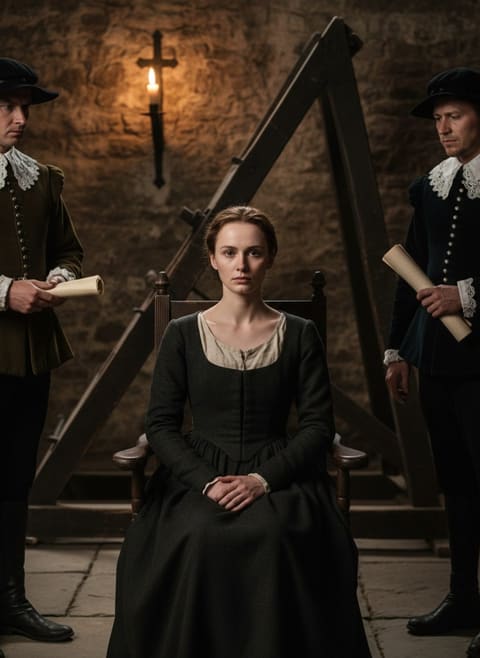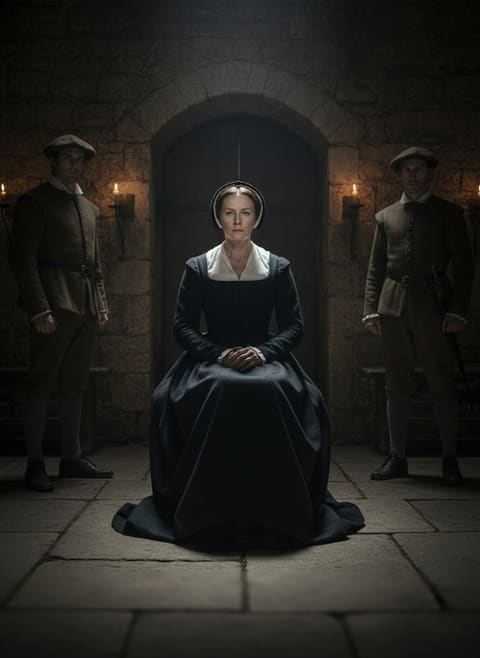
Few have heard of Edward Bushel. Yet, his defiance resonated through centuries of English law.
The Preacher Who Defied the King
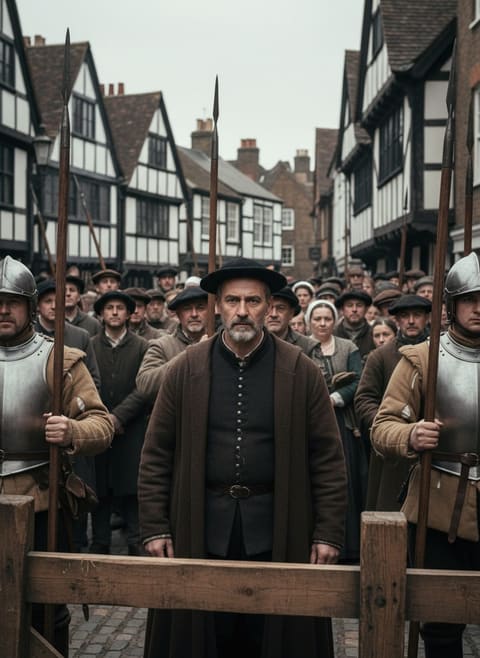
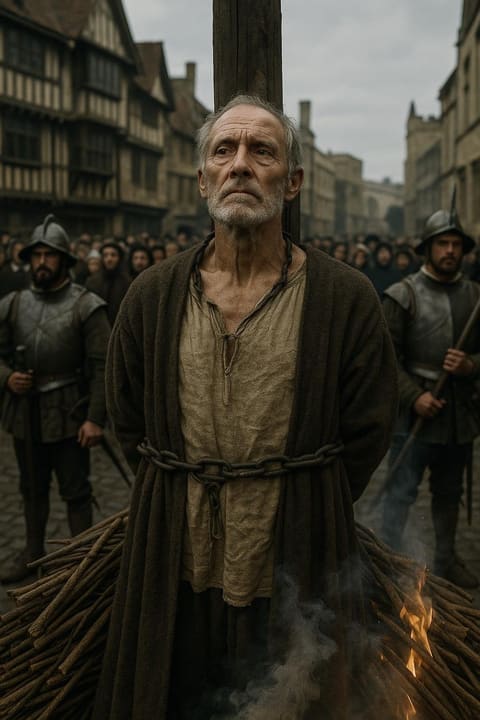
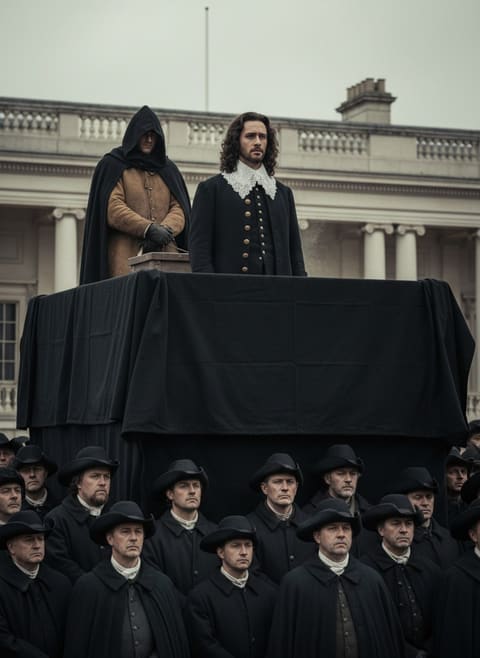
In the bustling streets of London during the sweltering summer of 1670, a man named William Penn stood unwavering before a crowded assemblage. Despite the threat of arrest, he preached fervently, his words echoing through the marketplace. As a Quaker, Penn spoke of spiritual truths that defied the religious uniformity demanded by the ruling Stuart monarchy. His audacity drew the attention of the authorities and eventually led to his arrest for unlawful assembly — a common plight for those daring to challenge the religious orthodoxy of the time.
The scene was emblematic of a broader conflict embroiling England during the Restoration period, as the monarchy sought to reassert control over religious practices. Penn, however, was not merely a dissenter; he was a man of conviction, previously expelled from Oxford for refusing to conform to the Anglican Church's mandates. Penn's trial became a stage for more than just his fate; it was about the rights of a jury to exercise independent judgment, challenging the very foundations of the English legal system.
The Trial That Transcended Convention
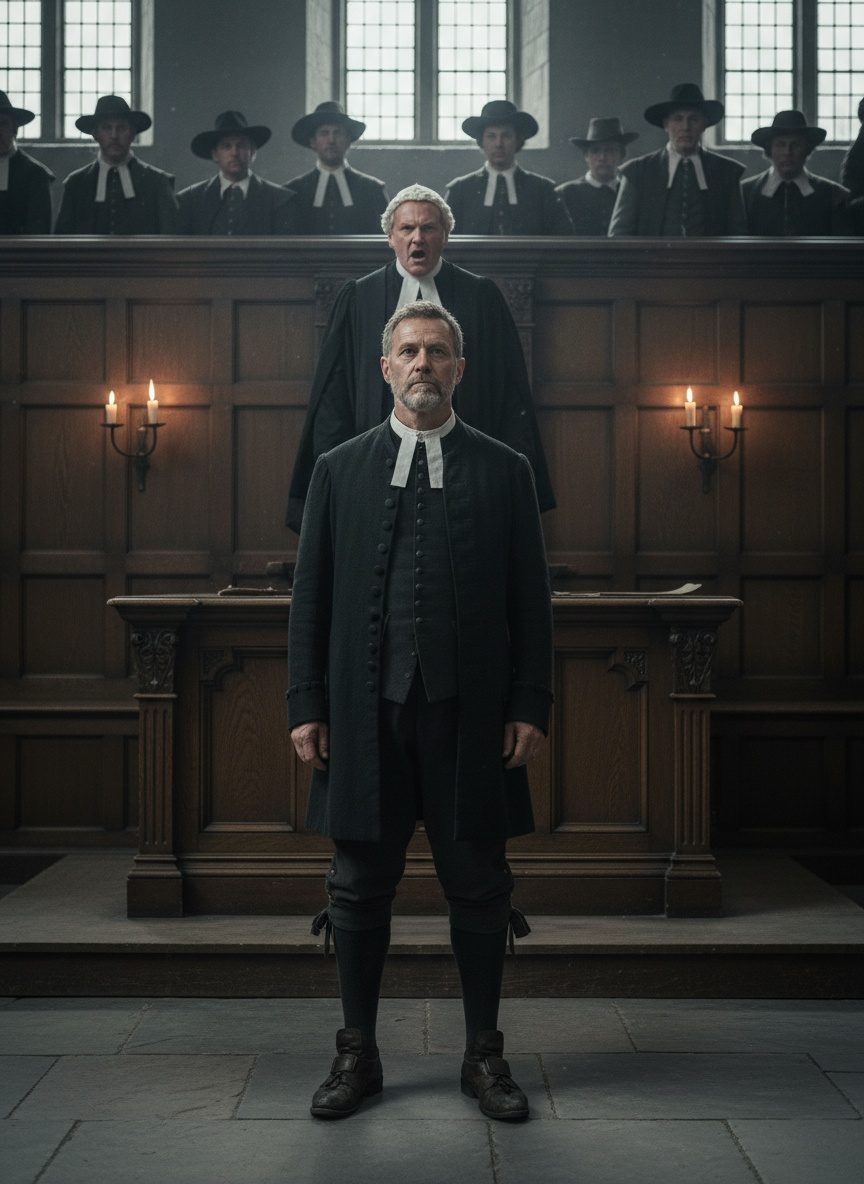
The trial of William Penn and his co-defendant William Mead took place in London's Old Bailey, a grim court where the weight of the crown's authority bore heavily on all proceedings. The judge presiding over the case was determined to make an example of these men who flouted both royal decree and societal norms. He expected the jury to deliver a guilty verdict, sealing the fate of the two men with little ado.
Read next: The Day a Tudor Chancellor Chose Death Over a Royal Lie
Yet, inside the wood-paneled courtroom, the proceedings took an unexpected turn. As Penn valiantly argued his right to free speech and religious practice, the jury became increasingly captivated by his calm resistance. Amidst them sat Edward Bushel, a man whose sense of justice would soon transform the courtroom drama from mere legal formality into a pivotal historical event.
After lengthy deliberation, the jury, led by Bushel, returned with a verdict that defied the judge's expectations: Not guilty. Chaos ensued as the judge, incensed, refused to accept their decision. Determined to impose his will, the judge ordered the jurors to be sequestered without the comforts of food or drink until they reconsidered their verdict.
The Defiance of Edward Bushel
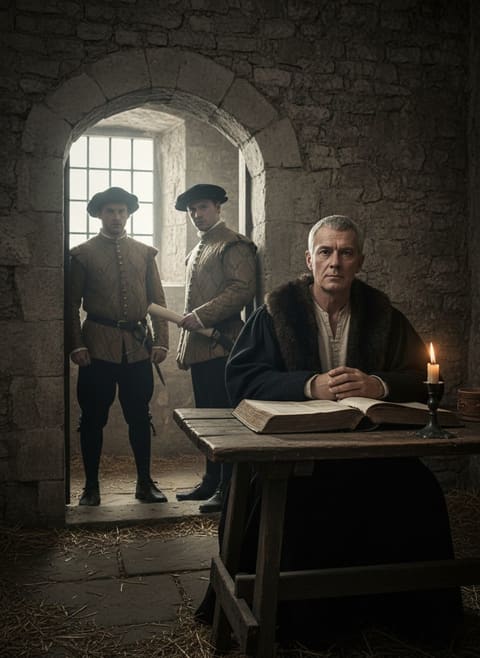
This tactic would backfire, for Edward Bushel was not a man easily swayed by hardship. The judge dared to imprison the entire jury when they stood firm, but Bushel, driven by an unyielding commitment to fairness, became the bulwark of resistance. Jailed in Newgate Prison, a desolate and rigorous place, he faced pressure from both the court and fellow jurors weary of their captivity.
Bushel, however, refused to relent, maintaining that the conscience of the jury could not be dictated by external forces, no matter their power or prestige. His determination became an embodiment of judicial independence, a principle as yet to be enshrined in English law. In a remarkable turn of events, Bushel took the extraordinary step of challenging the authority of the court itself, seeking the intervention of higher tribunals.
Read next: The Day a Tudor Bishop Refused to Crown a Usurper
A Verdict for the Ages
The case of Bushel’s jury escalated to the Court of Common Pleas, where it confronted the legal enforcement of obedience versus juror independence. The decision reached set a groundbreaking precedent: jurors could not be punished for their verdicts. Bushel and his fellow jurors were vindicated, their liberty affirmed, and the independence of the jury enshrined as a cornerstone of English justice.
This case, a seemingly small courtroom drama, thus became a landmark in establishing the principle that juries should be free from coercion, forever altering the nature of English trials. It reinforced that the conscience and integrity of an impartial jury constituted a check against arbitrary authority, a doctrine influencing legal systems around the world.
Why Edward Bushel's Stand Still Resonates
In an age when the authority of the state often seemed absolute, Edward Bushel’s refusal to compromise altered the trajectory of legal history. It entrenched the notion that justice requires not just the application of law but the independence of those chosen to interpret it. In standing firm, Bushel fortified the bridge between law and morality, ensuring that the jury's voice could not be silenced by intimidation or oppression.
The echoes of this defiance still reverberate through modern legal systems, reminding us that the pursuit of justice often demands courage against the formidable powers that seek its compliance. Edward Bushel, once forgotten, emerges as a champion of judicial independence, urging us to remember that the integrity of our institutions often lies in the hands of the seemingly inconspicuous who dare to say no.