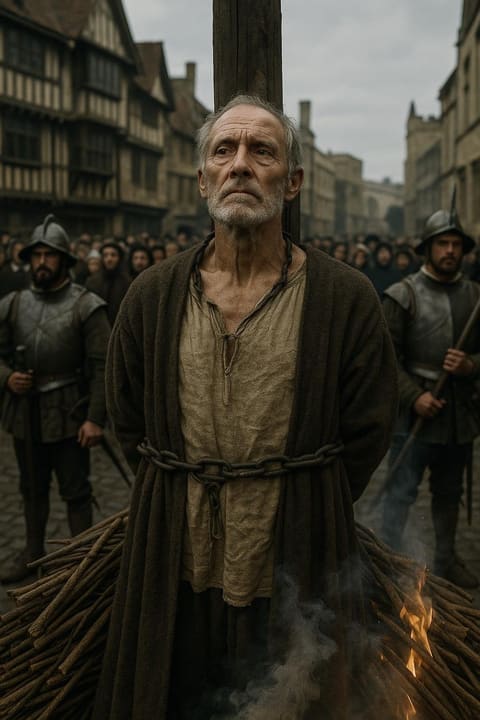
Sir Thomas More never lifted a sword. Yet he was executed like a traitor.
More, the celebrated humanist, lawyer, and philosopher, walked a treacherous path through the Tudor court. His final days in the Tower of London reveal a clash between power and principle that cost him his life. To the world, More was a man of letters, celebrated for his intellect and integrity, and his story is more than a moral debate; it’s an examination of faith and rebellion under one of history’s most infamous monarchs.
A Friendship Forged in Trust
Sir Thomas More and King Henry VIII: the duo whose relationship seemed unbreakable. England had never seen a Chancellor more respected than Thomas More. His rise from a distinguished legal career to the Lord Chancellor of England was meteoric, cemented by the trust King Henry VIII placed in him. Their friendship was not one of mere convenience—it was rooted in mutual respect and shared intellectual pursuits. Together, they combated heresy and projected an image of a unified church and crown.
Yet, all was not as serene as it appeared. The looming shadow of succession haunted Henry's court. With Queen Catherine of Aragon unable to produce a male heir, Henry's desperation for a solution grew like a festering wound. The king's eyes turned to Anne Boleyn and, more pivotal to history, to the possibility of a break with Rome. For More, this was a fracture too great. The sacrosanct unity of Christendom could not be discarded in favor of Henry’s marital woes, no matter the personal cost.
Read next: The Day a Tudor Chancellor Chose Death Over a Royal Lie
The Silence of a Man Condemned
In 1535, silence became More’s ultimate act of rebellion. As Henry VIII pursued the separation of the Church of England from the Roman papacy, figures like More were thrust into the depths of this ecclesiastical upheaval. A man once so close to the seat of power now sat in the Tower of London, defying the crown with his refusal to endorse Henry's actions.
To some, his silence was enigmatic, to others, defiant. Yet to More, it was an expression of an unyielding conscience. In a world where words could kill, his refusal to comment on the Act of Supremacy resembled martyrdom. The law demanded an oath recognizing Henry as the Supreme Head of the Church of England, supplanting the Pope’s authority. More’s silence was deafening; it spoke volumes of his soul’s allegiance.
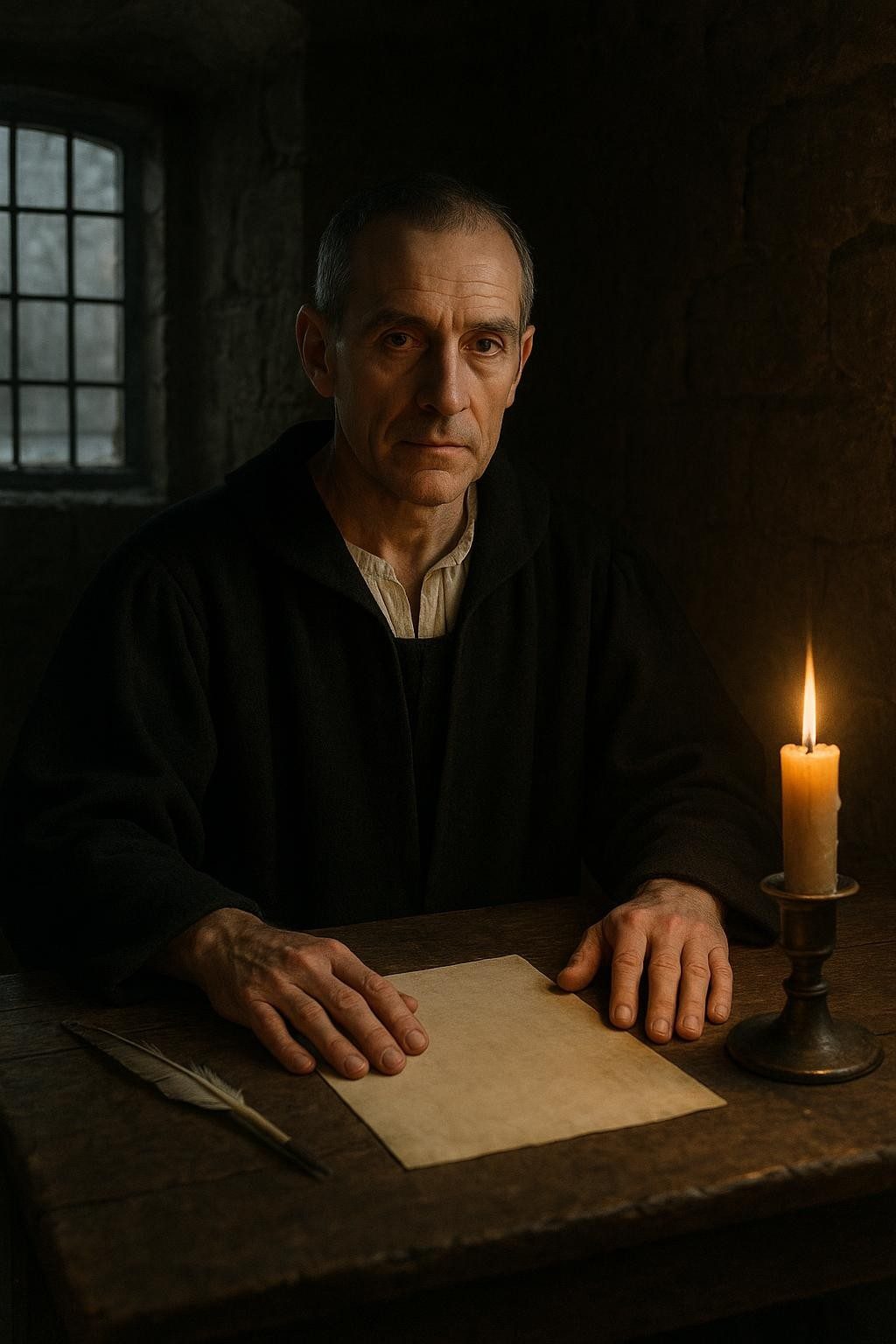
The Tower of London loomed as both prison and sanctuary. Within its gray stone walls, More grappled with his impending fate—a life forfeited in unspoken loyalty to his faith. Despite pressure and persuasion, More’s resolve was ironclad. He traded the lavishness of courtly life for the barren confines of the Tower, choosing to remain steadfast in his beliefs.
A Mind at War with Itself
In the solitary confines of his cell, More was granted ample time for reflection, surrounded by the tower’s cold embrace and the ghostly echoes of former inhabitants. His room became a temple of introspection where his spirited intellect clashed with the reality of his circumstances. Here, the once voracious reader, the author who penned Utopia, confronted a stark new reality—his books now symbols of a world he had renounced for one beyond material bindings.
More’s scholarly pursuits had long contrasted the secular tide rising in Henry’s court. Yet, within the confines of the Tower, they took on a tragic significance. Stories circulated of More burning some of his most cherished volumes, a symbolic act of relinquishing earthly ties to safeguard his spiritual legacy. While no records confirm this gesture, its symbolism endures as a poignant commentary on More's internal conflict and commitment to eternity over earthly esteem.
Read next: The Day a Tudor Bishop Refused to Crown a Usurper
How many sleepless nights passed as he wrestled with his decision? How often did he revisit the moments when the allure of earthly power briefly wavered his devotion? These are questions left unanswered yet eternally intriguing.
The Ultimate Choice
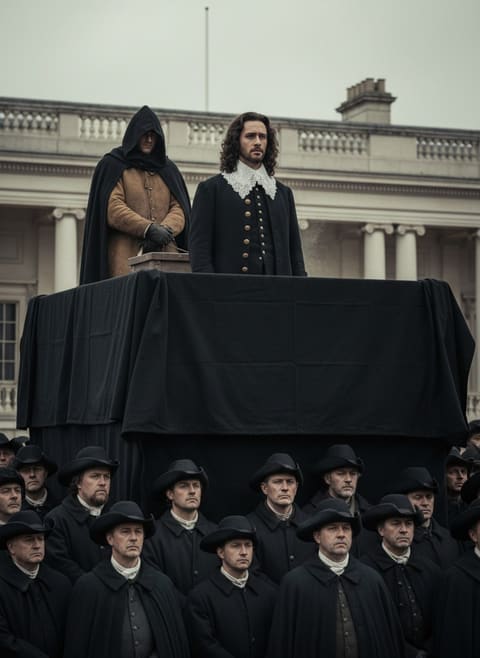
All roads led to the finality of July 6, 1535. More, standing on Tower Hill, faced his execution with the tranquility of a man at peace. The axe, a tool of final judgment in the hands of the crown, hung ominously. More’s last recorded words, an acknowledgment of his "King's good servant, but God's first," encapsulated his life's struggle between sovereign and spirit.
In choosing death over betrayal of his conscience, More's execution under Henry's orders resonated far beyond his immediate fall from grace. It declared that integrity need not cower before tyrannical decrees, and that a single voice, though silenced in life, could echo eternally through history. More's story is a timeless testament that the might of a conscience can overshadow the darkness of an empire.
The echoes of More's deeds continue to ripple through history, serving as a stark reminder of the power and cost of defying authoritarian demands. In the cacophony of our own age, when principles are tested by pressure, More's story remains a pertinent allegory on the steadfast nature of the human soul against the tide of compromise. It’s a tale that compels us to question what—if anything—we would dare to place above our own survival.