July 6, 1535. The walls of the Tower of London reverberated with the faint cries of seagulls circling overhead.
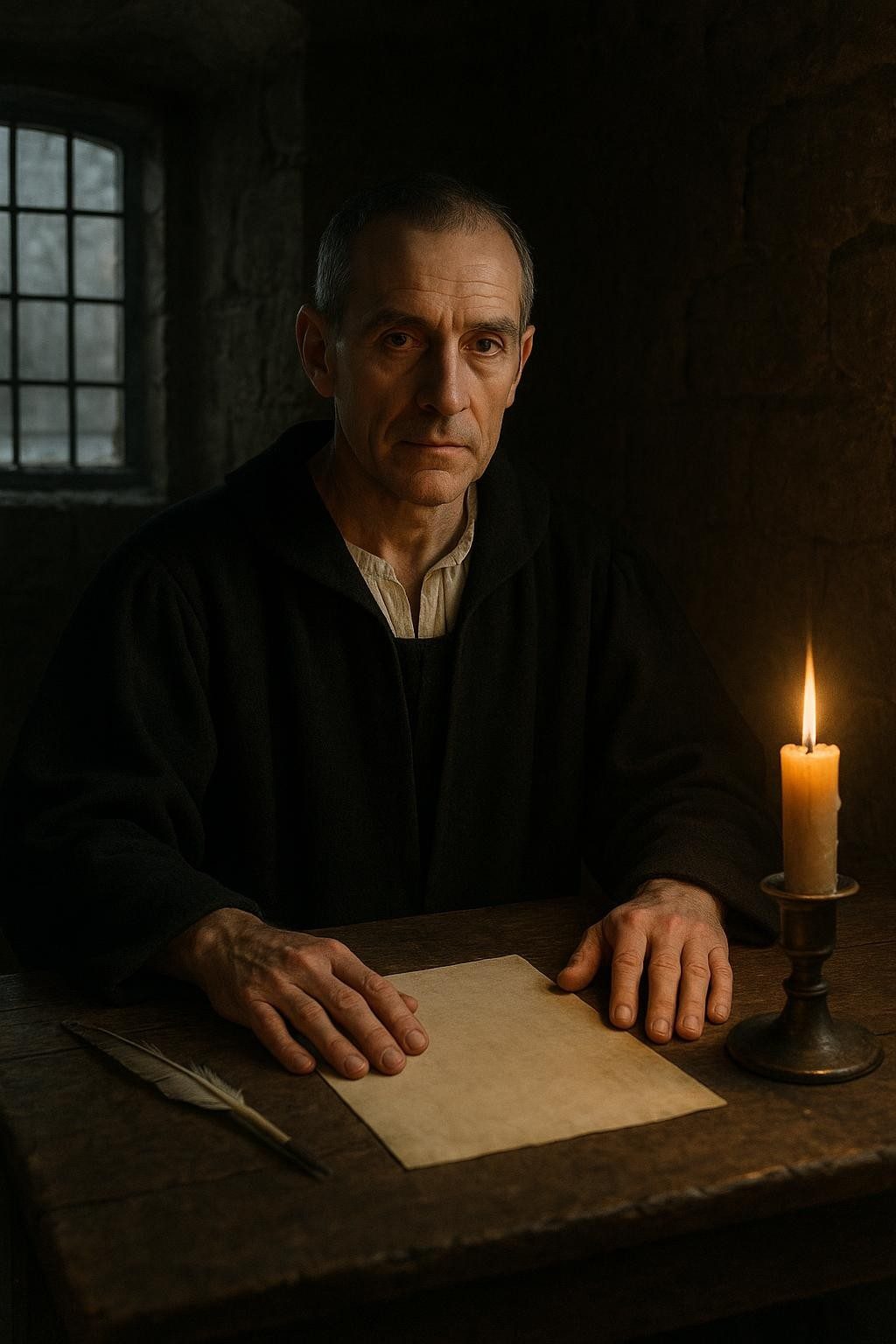
Within these cold stone confines sat Sir Thomas More, a man whose legacy would become entwined with the thorny complexities of loyalty and conscience. Outside, the skies over London remained ominous, pregnant with the decisions made by those who walked its cobbled streets. It was a time when every action was weighed with the threat of consequence, a period when men like Thomas More found their places in history not through the swords they wielded, but through the principles they soberly upheld.
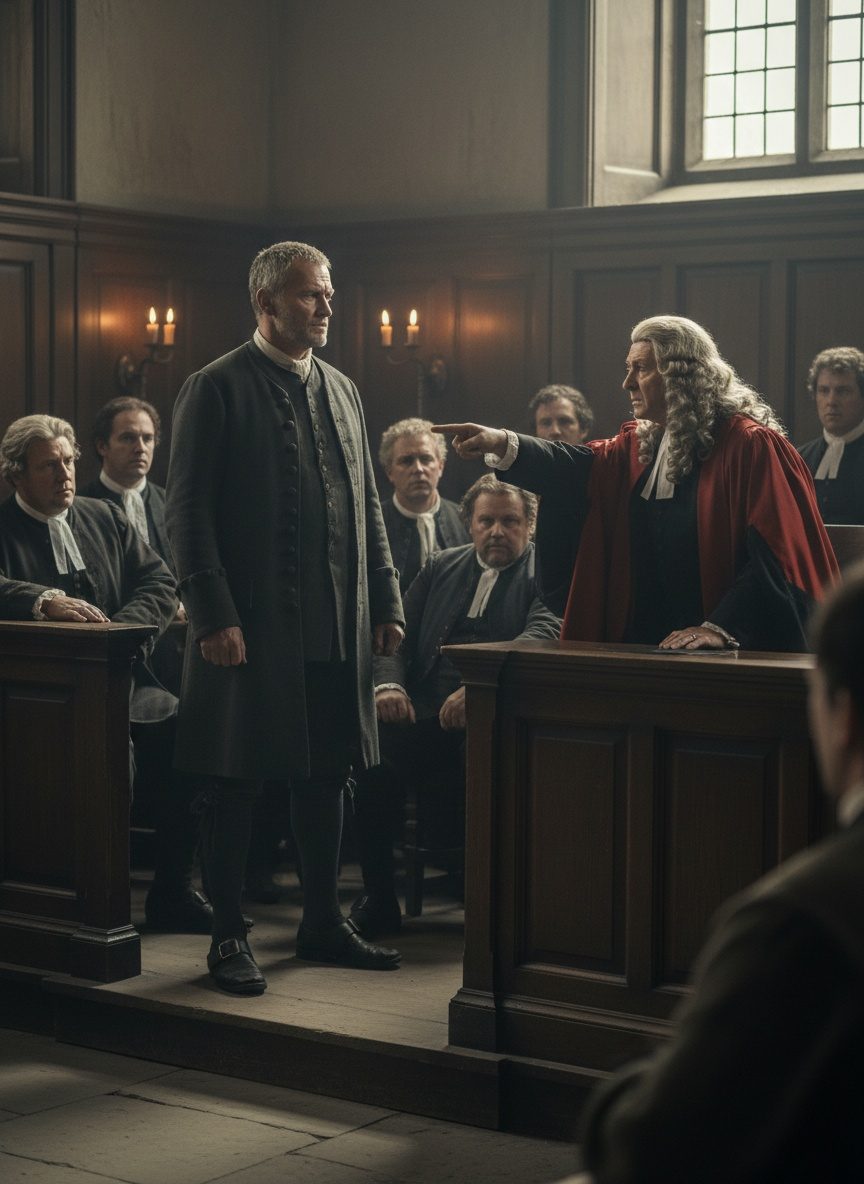
As More awaited his fate within the Tower, a somber tableau unfolded elsewhere in the city. His friend and confidant, a fellow lawyer, stood at a crossroads. This man's name drifted into relative obscurity compared to the immortalized letters penned by More, yet his actions—or rather, his silences—echo just as powerfully across the ages. In King Henry VIII’s England, silence could scream defiance louder than any proclamation. The law of the land, like an iron grip, had tightened around those unwilling or unable to swear fealty to the king's supremacy over the Church of England.
The oath Henry demanded was deceptively simple. Its core was recognition of the king’s new role as the supreme head of the Church, an audacious declaration that severed England from the papal authority of Rome. All of Henry's closest courtiers had bent the knee, their signatures reaffirming their allegiance not just to the crown, but to the sea change it represented. Each quill stroke was a lifeline for those willing to forsake the old faith for survival in the new order.
Read next: The Day Britain Voted to Keep a King — and Lost Him Anyway
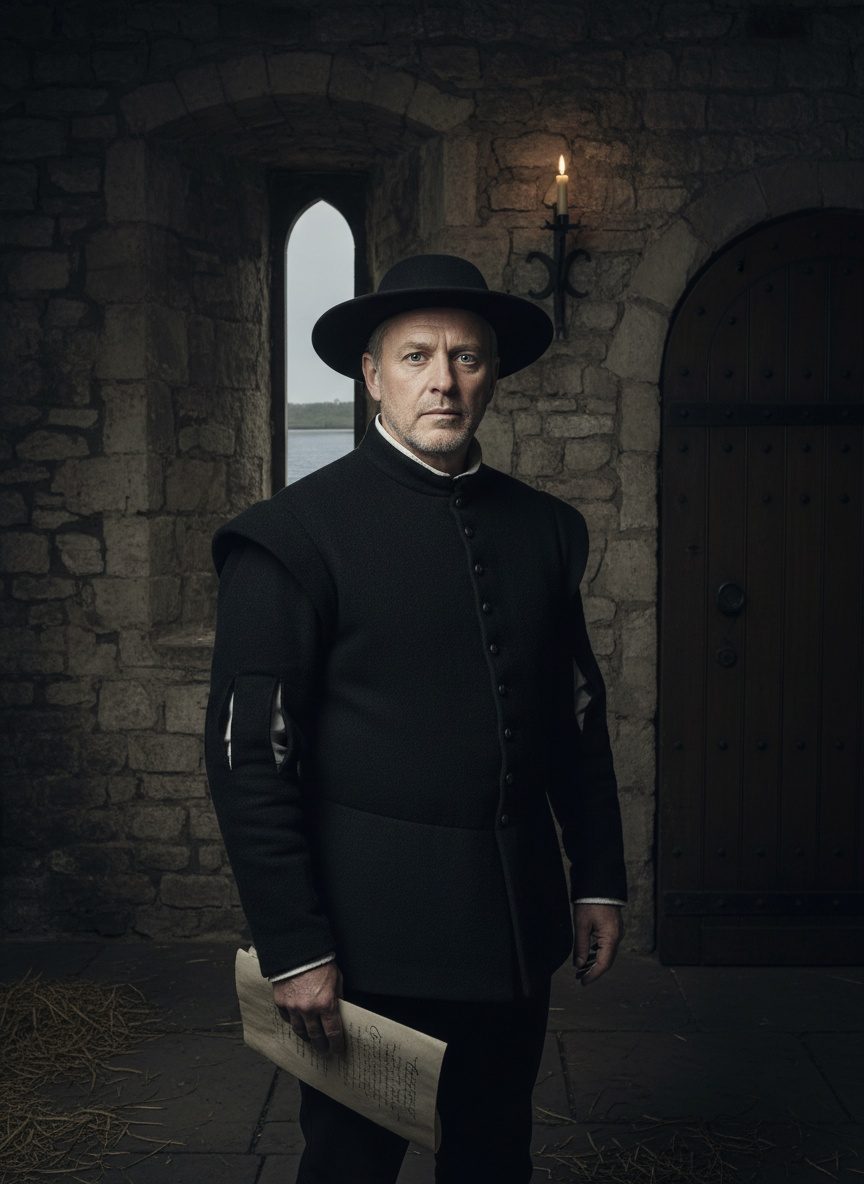
Yet, not everyone could break the ties of their personal beliefs so easily. For More's friend, remaining outside that stone prison was not an option if it meant forsaking his own conscience. His refusal to take the oath was a volatile mix of loyalty to his imprisoned friend and adherence to his personal faith. To denounce More publicly would have been to cast aside years of friendship, shared intellect, and moral debate. It would mean accepting that More's impending execution was merely the collateral damage of policy—a resolution he found intolerable.
The Tudor court was a place of pomp and terror; brilliantly colorful tapestries hung within its halls, yet the underlying tones were always darkened by whispers of betrayal and the shadow of the executioner's axe. Loyalty to the king was the lifeblood of courtly existence; its absence, a death sentence. Denouncing More would have secured freedom from the scaffold, but at what cost? This was the eternal question faced by More’s unnamed friend as he stood in the vibrant, bustling streets of London, feeling the weight of his unchecked choice.
The sacrificed promise of self-preservation spoke volumes. In his refusal, More's friend mirrored his doomed companion's steadiness—an act of quiet heroism shrouded in obstinate silence. Such loyalty, unshielded by the cloak of pragmatism, was rare enough to be mythologized, for in Tudor England, it was rarer to see a friend follow you to judgment than see a quill's ink dry on a parchment of acquiescence. Speech was dangerous; silence, deadly.
As the week's events drew to a close, a slight murmur spread through the city on the breath of those who dared speak it: More had been executed for his treasonous convictions, his head displayed on London Bridge as a grim, silent sentinel for others who might challenge the king's decree. In stark contrast, the unyielding friend of More remained unnamed by history, his fate sealed with both quiet dignity and an echoing absence of speech. His choice left him condemned not by actions recounted in official records, but by his remarkable refusal to renounce a friend's moral stance.
In the grand tapestry of English history, acts such as this shape the unsung contours, the tantalizing might-have-beens that enrich our understanding of human consequence. That a man would stand silent beside a friend in defiance of a king's wrath speaks to a deeper truth about the values that persist beyond the flicker of the axe and the clatter of records penned in fear. Their story is not one written in grand titles or victorious battles, but in the courageous stand made in the shadowed recesses of the Tower, where silence rather than sound articulated the most profound loyalty.
Even now, in a world where the lines between personal belief and public action are continually redrawn, the story of the Tudor lawyer who refused to burn his friend reminds us of the power and cost of integrity. It asks us to reconsider the weight we place on friendship, the kind that might carry a man to gallows rather than to the gilded safety of a king's favor. And in that, perhaps, lies the buried wisdom they left out of the textbooks—the ultimate tribute to a silent choice that spoke volumes.