His hands had never held a sword in defiance. But his words were sharper than any blade.
The Silent Resistance
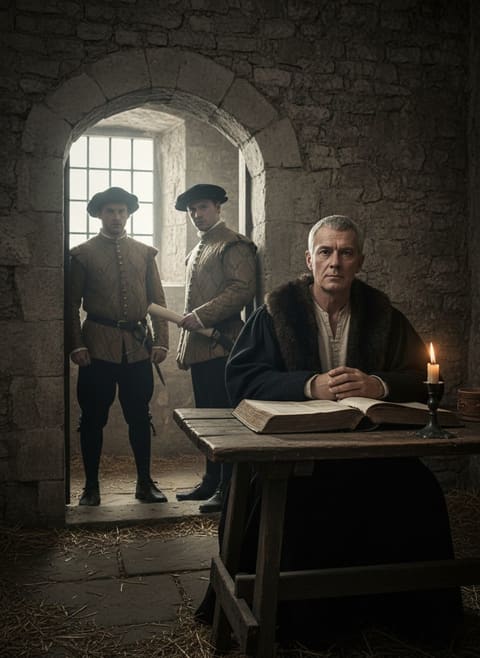
In the year 1535, a man whose words had once swayed the mighty stood engulfed in silence. Thomas More, a trusted advisor to the throne and former Lord Chancellor of England, found himself at odds with a king he had loyally served for over two decades. While King Henry VIII had once leaned on More's wisdom, a conflict of convictions now separated the longtime allies. Henry, determined to solidify his control over both church and state, demanded an oath acknowledging his supreme authority—an oath that would breach the deepest tenets of More's faith.
For a man of words, More's greatest weapon was his silence. Described by many as erudite and devout, he quietly withdrew from the public sphere, refusing to affirm a decree he considered morally untenable. This silence, however, was not merely the absence of dialogue; it was a profound declaration of inner truth, bearing the weight of More's convictions. To many, More's silence was perplexing, a curious choice for a formidable lawyer whose eloquence had once captivated audiences in the royal court.
The stakes could not have been higher. Henry VIII's demand was not one that could be ignored without peril. Those who defied him often met grim fates, particularly in an era where the monarch's will overshadowed any semblance of dissent. Yet More's refusal to comply drew a quiet line between loyalty to the crown and allegiance to a higher moral authority. His silence stretched for months, enduring scrutiny and pressure from those eager to maintain the king’s favor.
Read next: The Day a Tudor Chancellor Chose Death Over a Royal Lie
The Unyielding Trial
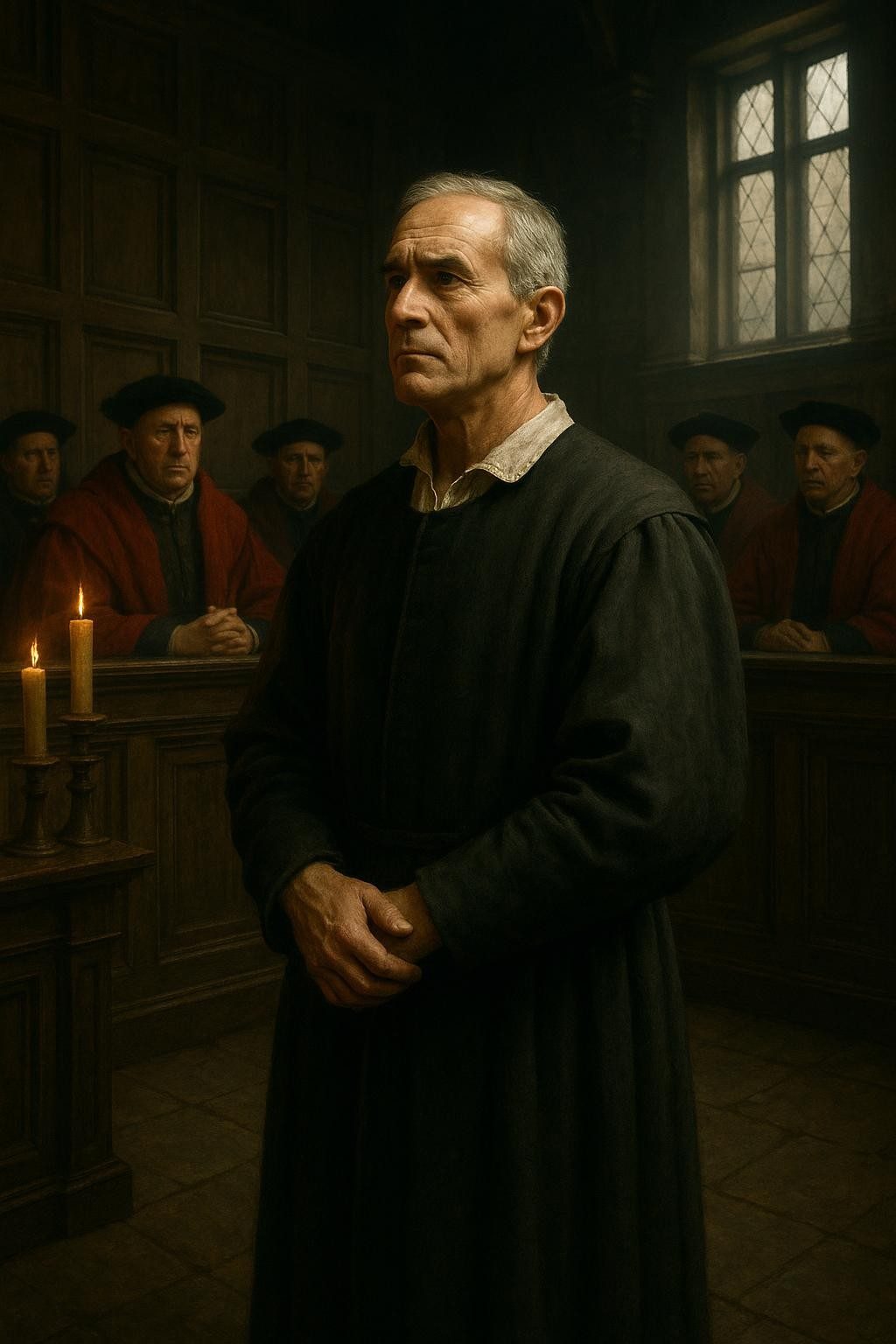
But on one fateful day, the silence was broken. It was during a high-stakes courtroom drama—a setting More knew well—that the oppressive weight of the king's wrath became tangible. Until that point, his silence had served to confound his accusers, who found him frustratingly resistant to their demands. However, the introduction of a witness capable of bending the legal tides presented an insurmountable challenge for More. Now, he would have to face the allegations head-on.
As he rose to speak, there was no trace of fear in More's demeanor. Those in attendance would remember his calm, unwavering voice. With a clear mind and steady presence, he refuted the charges against him, articulating a defense that drew upon both law and conscience. Yet, in a court where the king's wishes often dictated the outcome, More's words, however compelling, fell on ears that would not be swayed.
The court, hearing his reasoned pleas, nevertheless condemned him, affirming the sentence that had seemed inevitable from the start. Despite the outcome, More's composure and resolve left an indelible mark on those who witnessed his final, eloquent arguments. He had painted a narrative of integrity against the backdrop of uncompromising authority—an act of defiance that would echo through history.
Read next: The Day a Tudor Bishop Refused to Crown a Usurper
The Final Walk
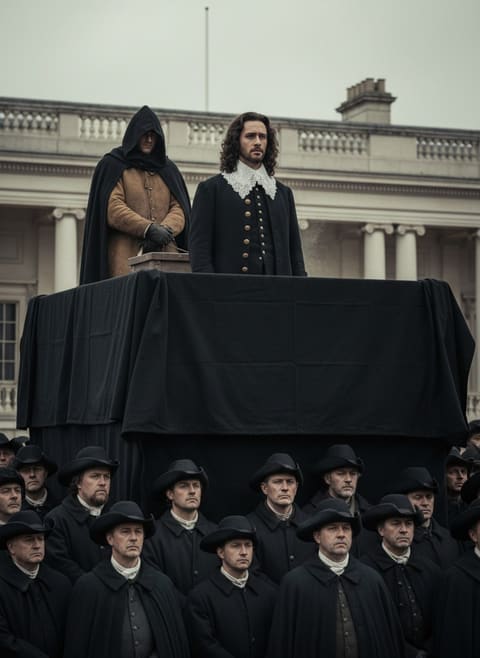
As the sun cast long shadows over the Tower of London, More embarked on his final walk—a journey from courtroom to execution block. Those who saw him on that day recalled a striking serenity in his demeanor. The man who had served England's throne for two decades, who had debated theology and politics with fervor, faced the end with a smile. It was the smile of a man sure of the path he had chosen, confident in the righteousness of his choices.
What compelled More to uphold his stance against overwhelming pressure remains a point of contemplation. Perhaps it was his unwavering belief in conscience over coercion, the conviction that words spoken against one's beliefs might lead to victory in the moment, but defeat in the soul. Or perhaps it was the understanding that there are principles worth more than life itself.
The story of Thomas More's unyielding silence, his courageous courtroom defense, and his tranquil march to fate serves as a reminder of the power of conviction. In an age where words were often bent to suit the desires of kings, More's refusal to speak against his beliefs stands as a testament to integrity. It is a story that endures not just as a historical curiosity, but as a poignant reflection on the timeless struggle between authority and conscience—the balance of personal truth within the ebb and flow of history's greater tides.