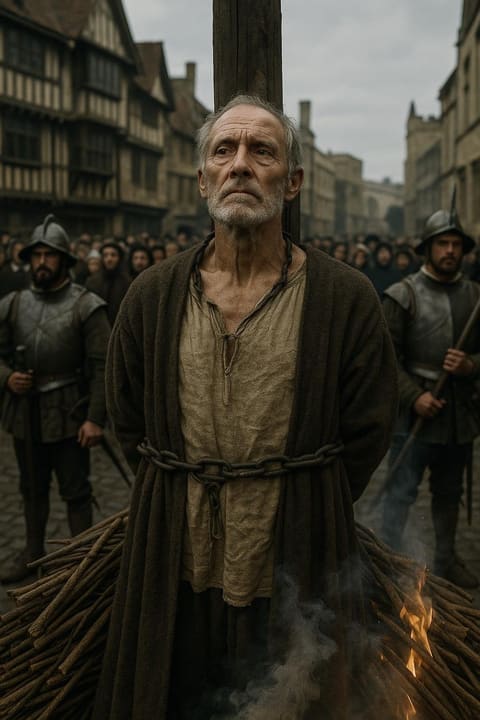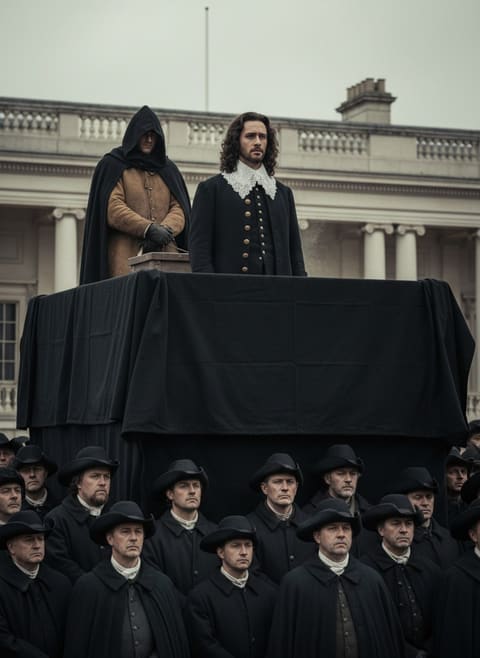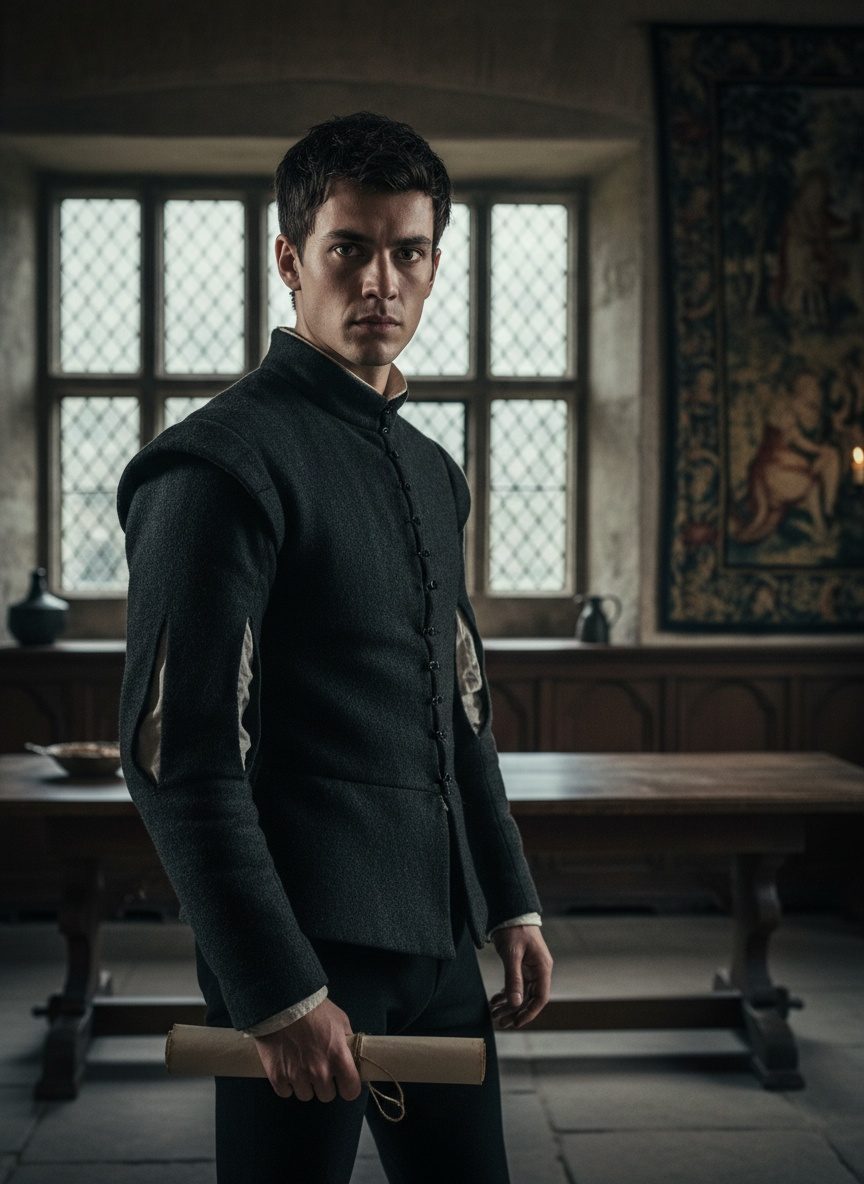
He was a poet in a world of swords. Yet his pen stirred more trouble than most blades.
The Summons to Power: A Fatal Interrogation
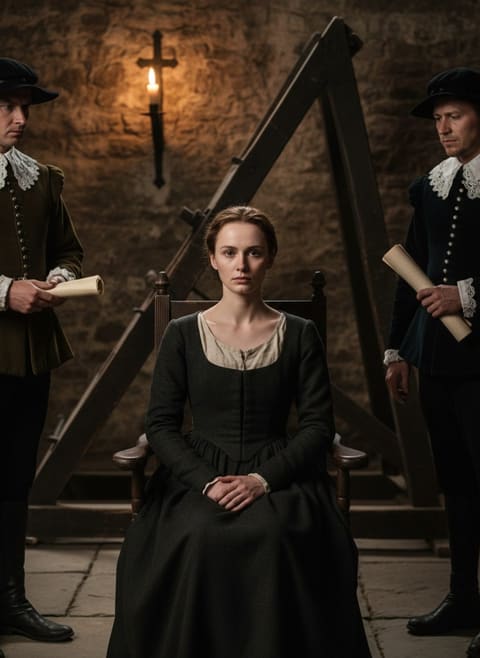
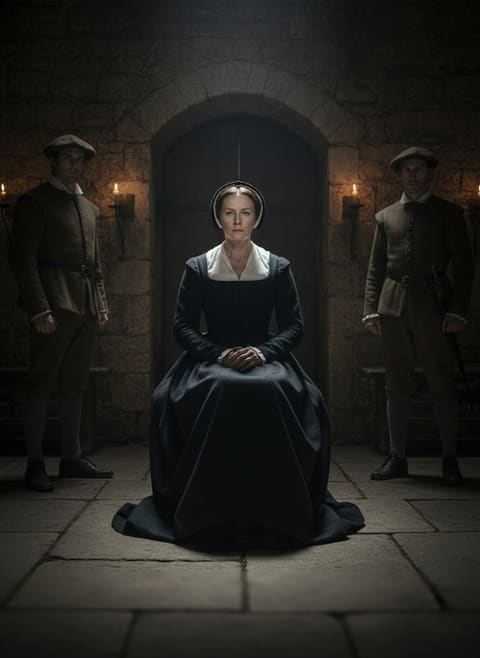
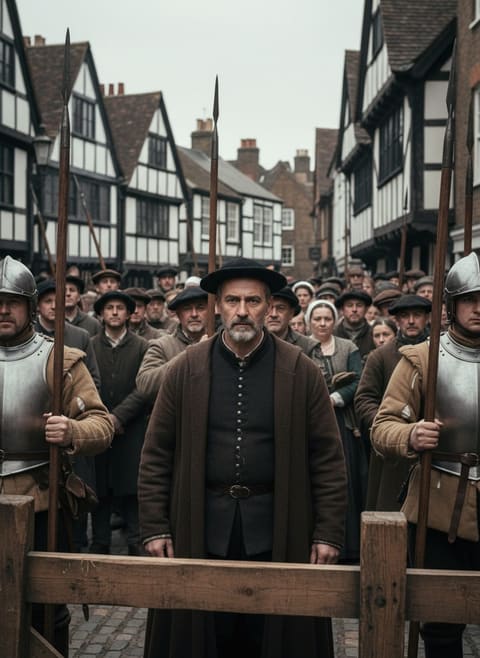
In the spring of 1593, London was a city bound by fear and suspicion. The threat of the plague simmered ominously, forcing theaters into silence and unleashing the kind of societal paranoia that feverish imaginations turn into witch hunts. It was under these grim conditions that Christopher Marlowe, a brilliant mind with a penchant for provocation, found himself stepping over the threshold into the Tower of London. It wasn’t the first time Marlowe had caught the attention of the powers that be, but it was undoubtedly the most dangerous.
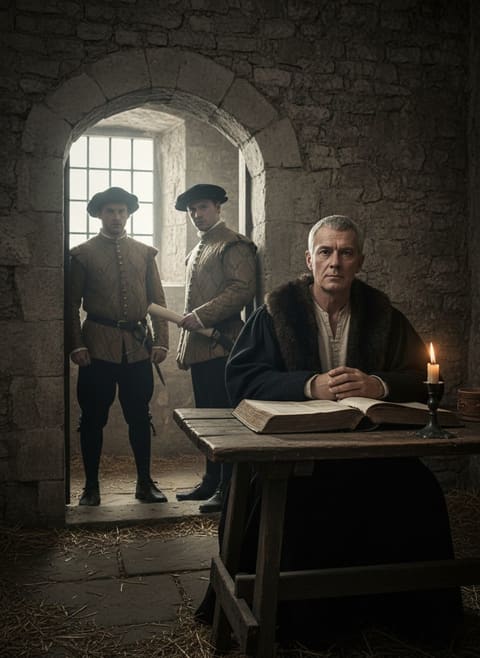
Marlowe, the son of a Canterbury cobbler, had risen to unexpected prominence. His plays, rich with unruly ambition and unorthodox views, held a mirror to the aspirations and anxieties of Elizabethan society. His works, such as "Doctor Faustus" and "Tamburlaine," broke new ground with their daring disregard for moral certainty and divine authority. Yet, for all his acclaim, controversy shadowed his every stride. Rumors of espionage and whispers of heretical beliefs dogged his steps. By May 1593, these whispers had coalesced into serious accusations of heresy, and Marlowe was summoned before the Privy Council—a summons that would seal his fate.
During the twelve days that followed his entrance into those formidable Castle walls, the details of what transpired remain tantalizingly vague and fodder for endless speculation. The only clarity comes from the grim fact that Marlowe left the Tower never to dramatize another stage. His mysterious interrogation by the arbiters of the realm confirms suspicions of his entanglements with espionage, particularly under the clandestine workings of the Queen's spymaster, Francis Walsingham. The nature of Marlowe's dealings remains shadowy, but the price of such associations was steep during a time of heightened tension and the fear of plots against the crown.
Read next: The Day a Tudor Chancellor Chose Death Over a Royal Lie
The Beacon of Talent and the Shadow of Espionage
Christopher Marlowe was a figure of paradox. Extolled today for his bold, avant-garde approach in works that challenged societal and religious norms, his life also paints a picture of a man entrenched in the murky depths of espionage. Elizabethan England was ripe for intrigue, a crucible of international plots and subterfuge. Even while forging his reputation on the stage, Marlowe possibly lived a double life, entangled in the web spun by the era’s most notorious spies.
The intelligence network of Elizabethan England was a formidable machine, driven by the cunning and Machiavellian finesse of Sir Francis Walsingham. Clandestine operations flourished through a network of informants, covert correspondents, and secretive agents. Marlowe, with his sharp intellect and university-educated mind, became a suspect player in this drama of shadows. Frequenting the intellectual underbelly of London, he moved among radicals, atheists, and recusants—individuals often at odds with the prevailing order yet invaluable to the state machinery for their insights into subversive circles.
Yet, Marlowe’s engagement with such a dangerous world was but one facet of his narrative. His fearless penmanship dared to question and defy the constructs of the Elizabethan ethos. By casting gods as mortals and mortals as gods, he brought the potential of the human spirit center stage, thrilling audiences with the grandeur of unrepentant ambition and unfettered desire. In his works, the constraints of the mortal shell were futile against the sheer force of human aspiration. Perhaps it was this very insight into the human condition that fueled fears of his potential to upset the status quo. In a time where the balance of power was delicate, Marlowe’s brilliance and rebellious spirit made him too risky to ignore.
A Tavern Brawl or a Calculated End?
As May’s dampness gave way to June’s warmth in 1593, Marlowe's story reached its abrupt conclusion not amidst the grandeur of the theatre, but within the grubby confines of a Deptford tavern. The circumstances surrounding his death are as dramatic as any play he penned. In that room—his final stage—a mysterious brawl over “the reckoning” or bill resulted in a fatal stab to his eye, a violent end that snuffed out the life of England’s most electrifying playwright.
Read next: The Day a Tudor Bishop Refused to Crown a Usurper
But was it an unfortunate end threading the tapestry of fate or something far more sinister—a calculated end, sewed with precision by forces unseen? The participants in this fateful meeting—Ingram Frizer, Robert Poley, and Nicholas Skeres—were perhaps none as innocent as they claimed. Amidst these figures lurked affiliations with the Tudor espionage network, undoubtedly complicating the narrative of Marlowe’s demise.
Through the fog of speculation, the portrait of Marlowe, both as a creator and a conspirator, refuses to resolve into clarity. Nobody knows for certain whether his tragic end was ordained by mere chance, a rendezvous gone wrong, or whether it marked the deliberate silencing of a man whose potential reach extended too far beyond words on a page. It is this potent speculation, married with Marlowe's undeniable contribution to the theatrical landscape, that continues to mark him as an enigmatic figure worthy of contemplation.
Today, the lingering intrigue around Christopher Marlowe speaks to the timeless dance of power, fear, and expression. He flourished in a time that demanded silence yet could not stem the torrent of his intellect. His untimely death at the prime of his life sparks a poignant question: If given more time, what great wonders might his pen have wrestled from the turbulent fabric of Tudor England? His story serves as both a caution and an inspiration—the perils and possibilities that arise when one dares to tread where angels fear to venture.