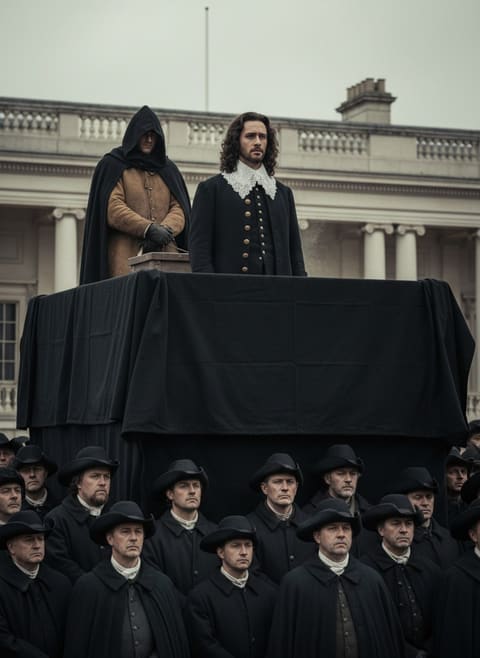
The sunlight filtered through the thick, leaded glass of the high windows in the Tower of London, casting lattice-like shadows across the cold stone floor. Outside, the city thrummed with life, oblivious to the high stakes sealed within these ancient walls. Within, a queen sat solitary, her once-vibrant presence dimmed by the weight of betrayal. In a room filled with the echoes of power and ambition, Elizabeth I pondered the fate of the man she had once raised above all others—Robert Devereux, the Earl of Essex—and the insurmountable task of choosing between justice and the remnants of a once-cherished bond.
The Golden Earl's Rise
Years before this moment of singular isolation, Robert Devereux had captured the heart and favor of his sovereign. A charismatic figure at the Tudor court, Essex rose swiftly, becoming a trusted confidante and the queen's dashing favorite. Elizabeth, decades his senior, was captivated by his boldness and charm, nurturing him as a precious ally in the fractious political climate of Tudor England. She showered him with honors, titles, and opportunities, seeing in him echoes of her own youthful defiance and ambition.
His meteoric ascent, however, bred arrogance along with influence. Devereux, feeling assured of his position, began to believe in his indispensability, a fatal miscalculation in the layered game of Elizabethan politics. More than just a courtly preoccupation, he was entangled in the dangerous tangle of warfare and governance—fields where missteps were not easily forgiven, even by the queen.
From Loyalty to Rebellion
The powerful Earl's once-solid foundation crumbled when military misjudgments strained his standing with Elizabeth. His failure in Ireland, perhaps the most notorious of miscalculations, led to public disgrace and an erosion of the trust that had once shielded him. But the depth of his fall would be realized neither in public derision nor military incompetence; it was in the fateful decision to defy the queen openly, raising a militia against her sovereignty, that Essex sealed his doom.
Read next: The Day a Tudor Chancellor Chose Death Over a Royal Lie
On February 8, 1601, London awoke to an unprecedented act of insurrection—a testament to Essex’s desperation and skewed perception of loyalty. He marched through the city with an ill-conceived intent to seize control, driven by ambition as much as folly. The coup was predictably ill-fated; Londoners, ever wary of unrest, did not rally to his cause. As swiftly as it began, the rebellion collapsed, and he was arrested, his fate seemingly sealed by the queen he had dared to oppose.
Interlude of Remorse
Confronted with the evidence of Essex's betrayal, Elizabeth I found herself in a maelstrom of conflicting emotions. The queen was no stranger to the burdens of leadership, yet the intimate familiarity with the man on trial set this decision apart. How do you sentence someone you once loved to death? Her royal judgment wrestled with personal affections as the melancholic realization settled—what Essex had done could neither be overlooked nor absolved by sentiment.
Days passed, yet for Elizabeth, time seemed suspended in the solemn corridors of power. There, in the twilight between duty and desire, she deliberated, solitude her only companion. Shadows grew long as she weighed the fate of her erstwhile golden earl, a tapestry of past affection and present betrayal unfurling in her mind. It was a space cloaked in silence, save for the soft flicker of candle flames—a setting for contemplation and the unavoidable reckoning of heart and crown.
The Signed Warrant
Ultimately, duty overcame hesitation. The intricacies of governance and the need for maintaining the rule of law tightened around her like a noose. Essex’s disloyalty demanded the ultimate accountability—Elizabeth, by rule and precedent, had no recourse but to consign him to the fate reserved for traitors. She signed the death warrant with a quivering resolve, her signature the final word on both a cherished chapter and a dangerous insurrection.
Read next: The Day a Tudor Bishop Refused to Crown a Usurper
When the demands of monarchy were met with the irredeemable act of insubordination, Elizabeth's decision bore the sharpness of finality. Yet, as the ink dried, the queen withdrew into solitude, the weight of leadership resting heavily on her aging shoulders. Alone, she wept, not merely for the man whose life she had ended, but for the irrevocable rupture of a bond that had once promised solace amid the stormy seas of Tudor rule.
The Human Cost of Power
For even the most resolute monarch, the act of ruling exacts a personal toll. Elizabeth's encounter with Essex’s treason underscores not just the harsh necessities of leadership but the profound human cost associated with wielding such power. Her tears in the solitude of the Tower marked a rare glimpse into the vulnerable heart behind the political façade. To her court and country, she remained the indomitable Gloriana, but beneath the cultivated veneer lay a woman burdened by the sacrifices which maintaining stability in a turbulent world demanded.
This episode, largely glossed over in history’s grand narrative of the Tudor era, invites a reflection on the complex interplay between authority and emotion. Elizabeth's tangled relationship with Essex offers insight into the human elements of leadership and the formidable choices faced by those who govern. These emotions and decisions, inscribed into the annals of history, remind us of the fragile balance between personal desires and the unforgiving demands of statecraft.