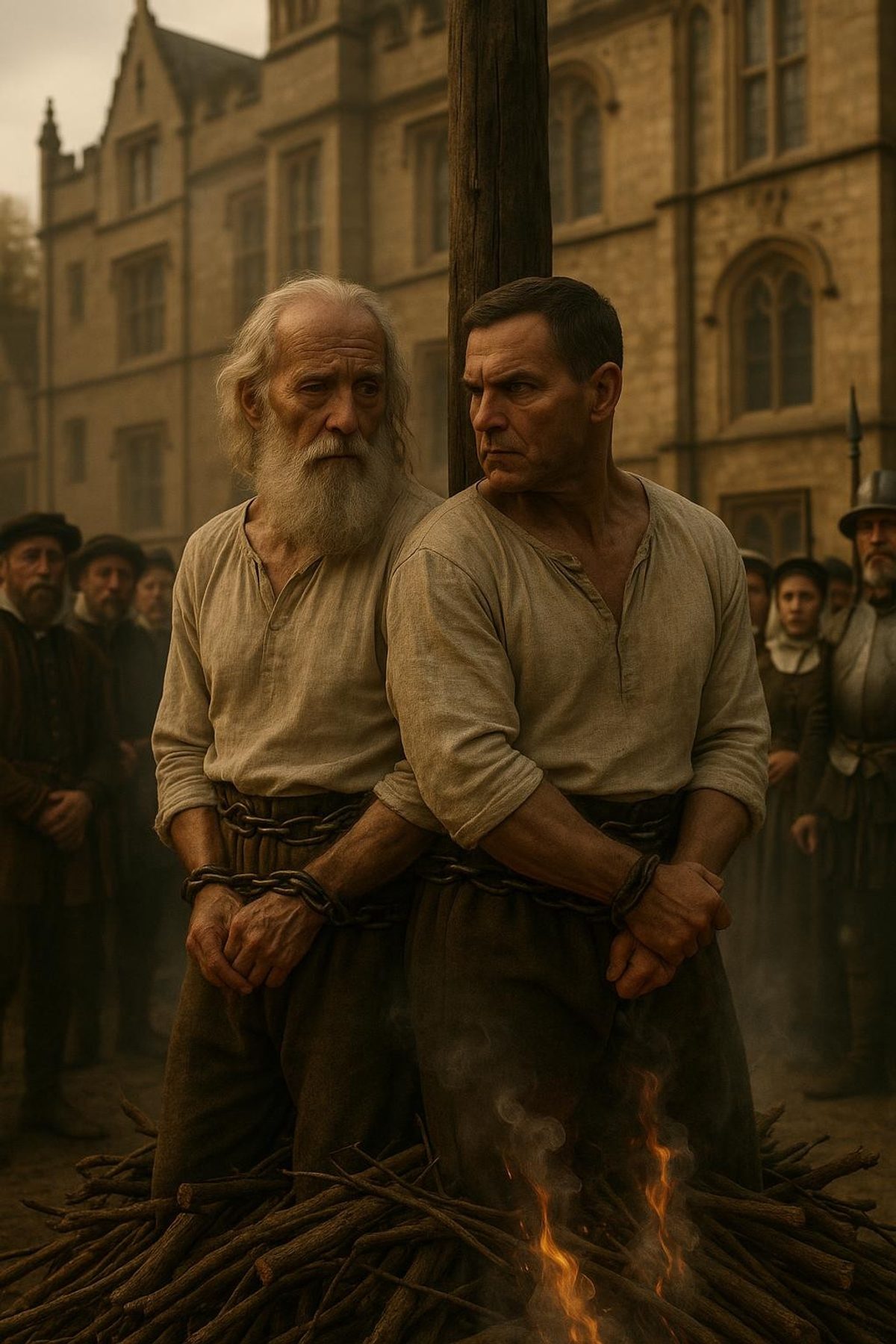
The burning flames were set to consume more than wood on a cold winter’s day in London, 1554. Yet the fiercest fire remained quenched, held back by a sovereign’s formidable will.
The Fire That Never Started
Mary I has been etched into history with the moniker she will forever bear—Bloody Mary. Yet, beneath this one-dimensional portrait lies an intricate tapestry of conflicting narratives and ignored truths. As the embers of rebellion smoldered after Lady Jane Grey’s brief reign flickered out, so too did the clamor for more executions grow louder. A name that rang out across the chambers of Mary’s advisors was one of special concern and familial tie—Princess Elizabeth, her own half-sister. It was a turbulent time rife with suspicion. In a time of treachery, even blood was not immune to doubt. Mary’s faith was unfaltering but her reign, already marked by tumult, was fragile. The pressure was formidable, with the fates whispering of potential betrayals and insurrections, possibly orchestrated under the guise of Elizabeth’s innocence.
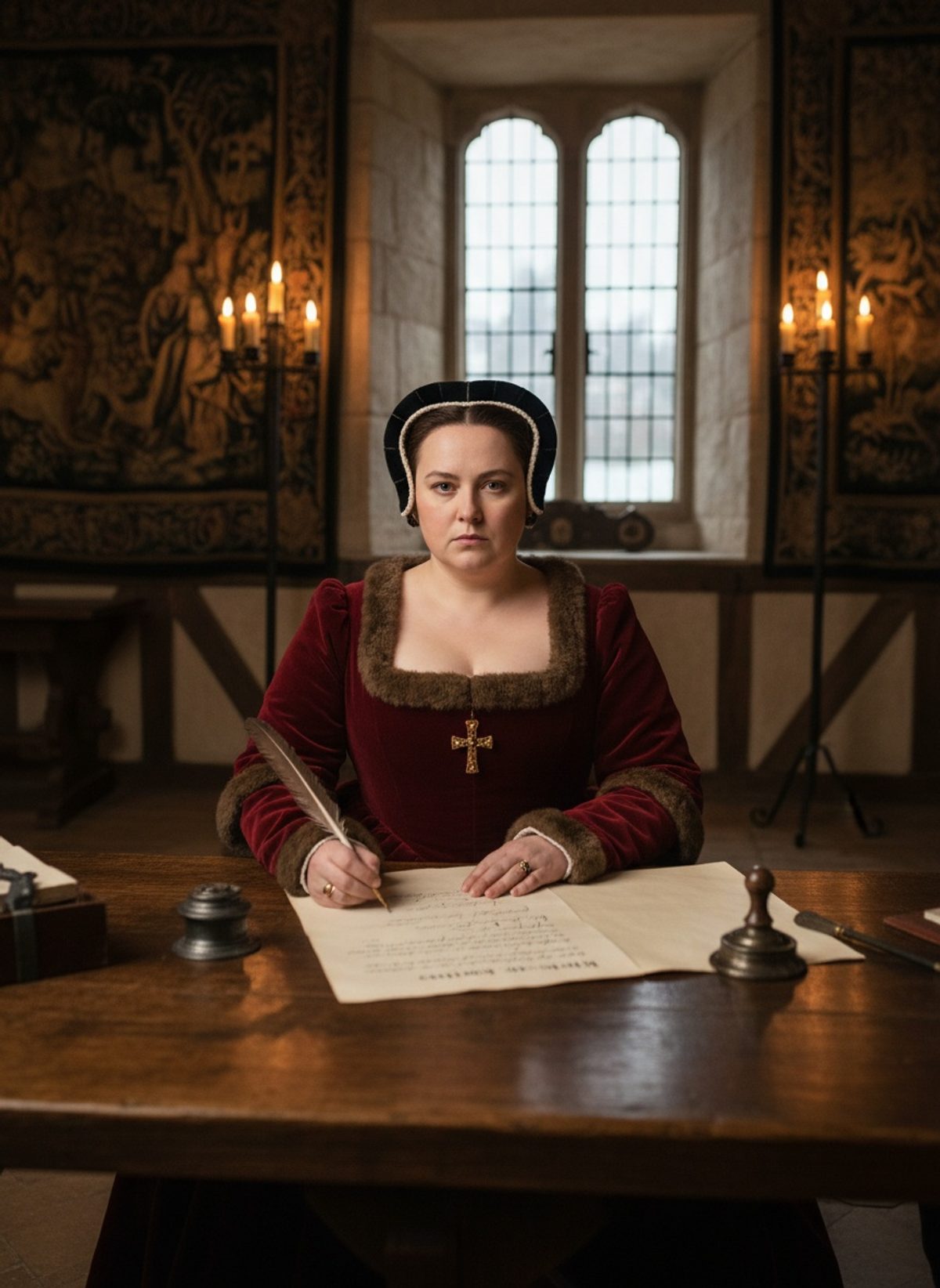
Mary, pressed by her council to extinguish this perceived threat, took her own counsel instead. She saw beyond the cloak of ambition and distrust that shrouded Elizabeth. Files with suspicions, real or imagined, stacked up like kindling, yet the queen’s conscience acted as a relentless extinguisher. It was no simple act of sisterly kindness. To spare Elizabeth was to invite future contention, to gamble with not just a throne but perhaps her own life’s thread. Yet Mary held firm, steadfast, drawing a formidable line in the sand of history. This resolution came at a cost, though never acknowledged with the gratitude it deserved.
The Turning of Tide
As London’s icy breezes wafted through the stark halls of the royal court, tensions cloaked the kingdom like a lingering fog, deceptively peaceful from afar. England was a nation half in shadows, each corner harboring whispers of what might come next—a fresh revolt, a new heir to contest the bloodline’s legitimacy. Ambassadors of intrigue passed through, weaving webs of alliances and distrust. It is easy to demonize through the veil of years gone by, picturing Mary as a ruthless executor of heresy and dissent. But one must step into the shoes of a queen who could have easily seen her world undone by a single signature. Her council, experienced in the harsh realities of political necessity, urged her relentlessly, branding the death warrant the only salvation.
Read next: The Day a Tudor Counsellor Chose the Block Over a Lie
Amidst this fray, Mary’s resolve was her armour. The burden of lineage pressed heavily—she was her father’s daughter and yet a ruler carving a path distinct from the legacy of suspects and a kingdom at the brink. Her choice not only curated a destiny for her sister but set a course veering away from immediate destruction and towards an uncertain yet promising horizon. Elizabeth’s survival became an unplanned testament to the complexity of Mary’s rule, forever entwined in a narrative of mercy overshadowed by ensuing historical condemnation. The irony is palpable; history would vilify Mary, while she inadvertently safeguarded the future prosperity of her bloodline and nation.
The Unsung Legacy
Historians looking back see England’s paths diverging and converging in countless unexpected ways—decisions, like Mary’s, often lost in the folds of time. The woman who would be painted as a merciless butcher instead etched into her legacy a tale of restraint and familial allegiance. Her choice brought her no personal glory—indeed, she reaped only distrust and eventual decline. Yet, she offered Elizabeth the throne she would leave unclaimed, a gift wrapped unavoidably in political peril and deeply interwoven with personal sacrifice.
Elizabeth’s subsequent ascension to the throne heralded an era lionized for its enlightenment and prosperity. Yet, all that blossomed under the latter’s reign had its roots not just in her governance, but in the soil tilled by a sister's compassion amidst politics often devoid of such emotion. The unwritten narrative speaks to the layers of complexity that mar any examination of power, highlighting choices shaped by conscience rather than opportunity. Mary’s refusal to sign Elizabeth’s death warrant was neither just an act of grace nor strictly political gamesmanship—it was a clarion call in defense of humanity amid chaos.
Each chapter of history resonates with echoes of paths not taken, each rendering itself more profound over the passage of time. One monarch’s defiance prevented her fire from consuming another’s future, inviting us all to reconsider our judgments through a lens of empathy intertwined with acknowledgment. In the chorus of history’s relentless march, it is often the moments of restraint, the unseen fires smoldered within, that illuminate the path for generations to come.