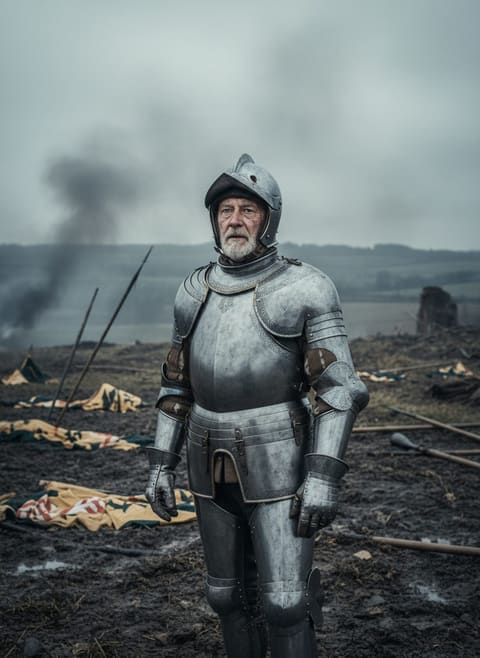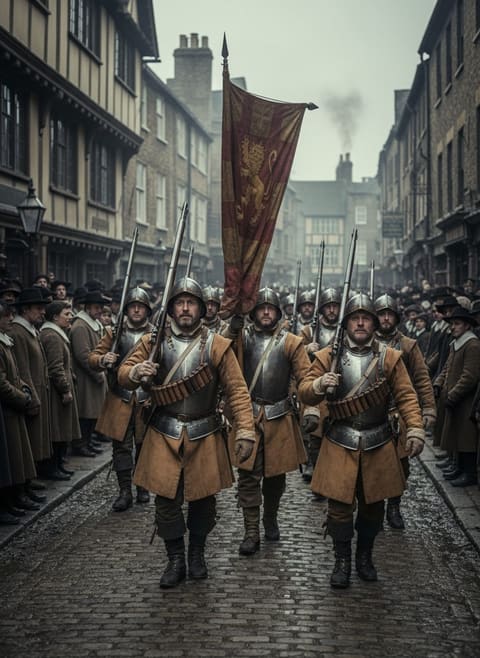
July 6, 1535. The sound of distant murmurs carried through, as if the Tower of London itself held its breath.
The Silence of a Statesman
Thomas More, once a cornerstone in the edifice of Tudor England's justice system, stood resolute against the tide of change commanded by King Henry VIII. A man renowned for his intellect and conviction, More had ascended to the pinnacle of his legal career as Lord Chancellor, trusted above all in the kingdom. Yet, his final days were marked by an unforgivable silence—his refusal to endorse the king's supremacy over the Church and the annulment of a marriage solemnized under divine law.
The serene walls of Lambeth Palace bore witness to More's initial act of defiance. Called to sign the Oath of Supremacy, More's pen lay dormant as he managed a polite refusal. His torment was not one born of rebellion but of fidelity to beliefs older than the kingdom itself. He did not outright speak against the king, avoiding the chains of treason with a calculated, albeit damning, silence.
A King’s Wrath
Henry VIII, a monarch of towering ambition and tempestuous determination, saw his vision for England mired by More's quiet resistance. Once his trusted confidant, More had crafted laws that moulded the kingdom. To Henry, the bond they shared was now shattered by More's obstinate reverence for a papal authority he no longer recognized.
Read next: The Woman Who Survived Three Tudor Executions and Lived
The king’s desire to wed Anne Boleyn and secure an uncontested lineage led him to sever ties with the Roman pontiff. More's silence was construed as betrayal, a seed of discord that threatened the burgeoning reformation of English sovereignty. Despite the king’s fury, More's countenance remained as steadfast as the Tower's stone walls that held him captive.
It was a silence so profound that it whispered treason to courtiers eager to see him fall. As days turned into weeks, and weeks into months, More was transferred to the Tower of London, where shadows cloaked the inevitable outcome of his quiet dissent.
Steps to the Scaffold
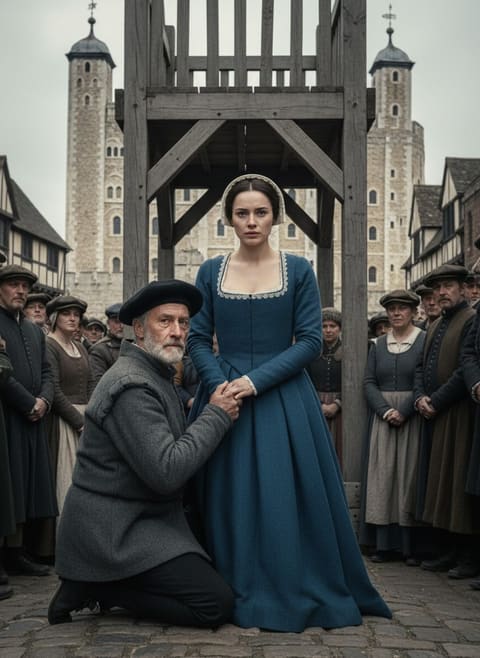
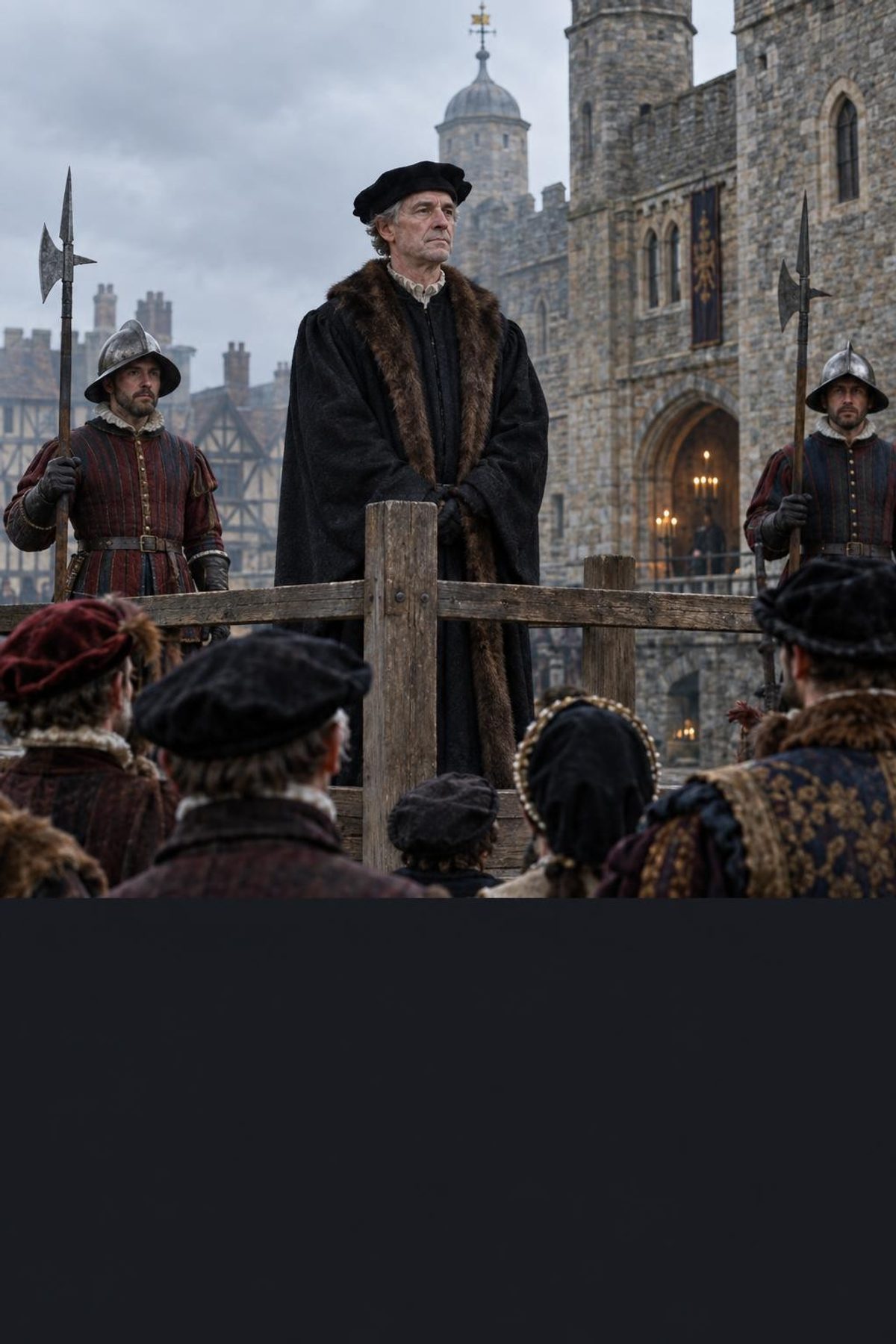
On that fateful morning of July 6, 1535, the sun peered through the clouds over Tower Hill. The executioner—hooded and solemn—prepared for his necessary duty, while Londoners gathered, eager for the spectacle yet somber in their anticipation.
Thomas More walked out with an unyielding dignity that belied the fear of the mortal end he faced. His execution was but a concluding act in a life dedicated to the immutable truths he held dear. The scaffold stood stark against the sky, a final stage upon which More would speak again, at last, before the world.
Read next: The Day a Tudor Lawyer Refused to Sign a Queen's Death Warrant
In those final moments, More addressed the crowd with a calmness that astonished even his observers. "I die the King's good servant, but God's first," he proclaimed. His words, carried on the wind, became a sacred oath that reverberated through the ages—a declaration of ultimate allegiance not to crown, but to conscience.
The Eternal Echo
Thomas More’s execution marked the end of a silent, personal rebellion against a king's mandate, but it ignited a debate on the boundaries between sovereignty and faith that echoes even today. More's life and death underscore a timeless tension between duty to the state and to one’s convictions, a dichotomy that remains relevant whenever personal belief collides with public obedience.
This confrontation with authority, led not by a sword but by silence, reminds us of the enduring power of principles in shaping history. In refusing to bow, More illustrated the cost of conscience—a cost visible in both his life’s end and the world he left behind, forever changed.
For the citizens of Tudor England, More's martyrdom was a potent emblem of integrity. For modern audiences, it remains a powerful narrative of the unwavering struggle for religious and ethical authenticity, challenging us to consider where we draw our lines, and what we are willing to risk for the truths we hold as sacred.