The earth heaved as though coming alive beneath their feet. The explosion that tore through the dawn air seemed to reach deep into the core of the planet, its reverberations traveling shockwaves across the battlefield. As the ground shuddered, men on both sides of the Messines Ridge understood they were witnessing more than a battle; this was the death knell of underground warfare, a technological and strategic opera of seismic proportions. It was a spectacle born of silence, darkness, and the desperate ingenuity of men who lived and labored in a labyrinth where unpredictability reigned.
Into the Subterranean Abyss
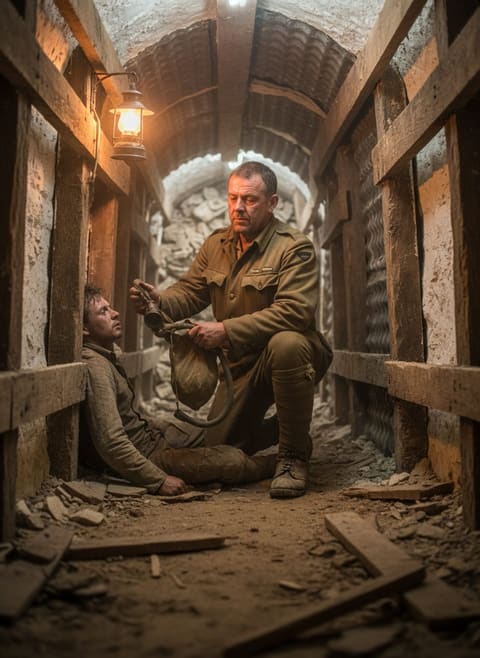
The British Tunnelling Companies were the phantoms of the Great War—unseen and unheard, yet vital to the conflict. These miners, many from coalmining regions of Britain, descended into an underworld where daylight was a forgotten luxury. For the men burrowed beneath the Messines Ridge, their world consisted of narrow, suffocating corridors where their only companions were bats, rats, and the omnipresent fear of an enemy breakthrough.
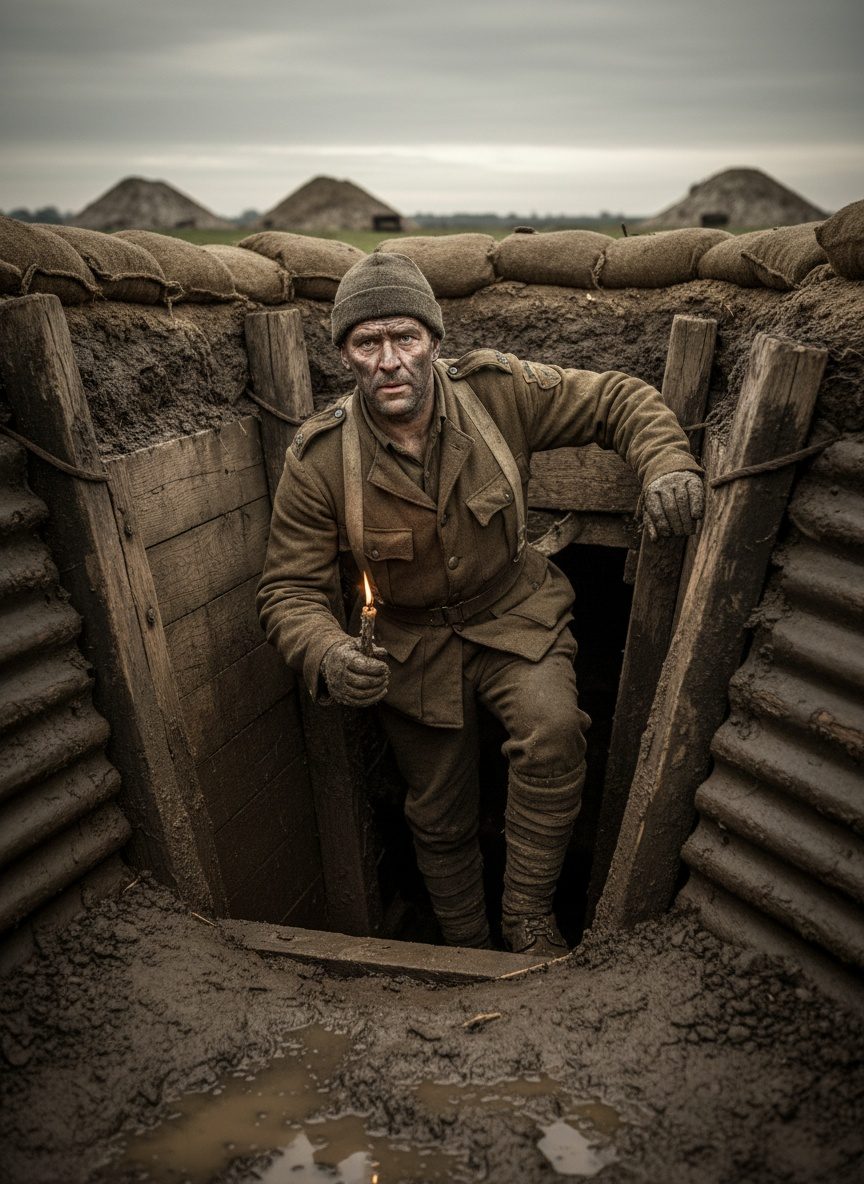
Working by dim candlelight, the British tunnellers measured their progress in feet, etching out the earth around them with nothing but hand tools. Silence was not merely golden; it was life-saving. The slightest sound could betray their position to German counter-miners, who crept through their own tunnels just feet away, listening for the scrape of metal on rock.
A Convergence of Engineers and Engineers of Death
This was war, but not as it was known. It was a battle of engineers, with calculations transforming formations of rock and soil into fortifications and, ultimately, weapons. Each shift was a test of patience, stamina, and the relentless march of time. Two years they toiled, chiseling at the stubborn earth while dreading every errant noise, knowing that a single mistake could invite disaster.
Read next: The Day a British Stretcher-Bearer Refused an Order to Save Lives
The men carried not just pickaxes and shovels, but their lives in their hands, laying explosives gently along the underbelly of the ridge. These were no simple charges. They prepared a symphony of destruction—nineteen enormous mines filled with an unprecedented amount of explosive material. To overstate their ambition was impossible; they sought to achieve what had never been done, a cacophony that would rip through not just land, but time itself.
The Moment the Earth Felt Human Emotion
At precisely 3:10 am on June 7, 1917, the culmination of their efforts was set to detonate. With prayers clenched between white-knuckled fingers, the men waited. Then, it began. The synchronized detonation of explosives beneath the Messines Ridge created a cataclysm that lifted the earth skywards, spewing debris and chaos into the atmosphere. A cavernous maw opened where there had been ground; clouds of dirt and stone darkened the sky, blotting out the dawn.
Reports from London recorded the impossibly distant echo of the blast, evidencing the terrifying reach and power of human innovation. The carnage on the ridge itself was instantaneous, the carefully placed mines doing their deadly work. The ridge had become an annihilated landscape in which the enormity of the human effort was both victorial and tragic, a testament to man's prowess in wielding nature against itself.
Aftershocks of the Battlefield: A Tactical Victory
The explosion at Messines marked a turning point on the Western Front, delivering a devastating blow to the German forces. In the strategic void left in the wake of the explosion, the British soldiers advanced, securing the high ground and capturing the ridge. It was a tactical masterstroke, a realization of the promise of tunneling warfare to break stalemates that had rendered trenches into tombs.
Read next: The Day a Army Chaplain Gave His Coat to a Dying Stranger
This act of subterranean warfare demonstrated a form of creativity and desperation that characterized World War One as much as the soldiers who lived and died in its muddy fields. The planning and execution of the tunneler's work were commendably meticulous, and the result was shockingly effective—a rare victory in a protracted war of attrition.
The Lessons of Silence Amidst the Roar
Events like the Messines explosion reveal a paradox at the heart of human conflict—the capacity to create alongside the propensity to destroy. The men of the Tunnelling Companies were not merely soldiers; they were artisans of war, sculpting the earth with as much precision as any master sculptor uses on marble. Their contribution was imperceptible until it became monumental.
This story matters not only because of its sheer audacity but because it exemplifies the significant yet often unsung roles that determination and engineering played in shaping history. As the echoes of the explosion faded, the landscape of the Western Front bore silent witness to the once-hidden efforts of those who turned the earth into their battleground. In the balance, it reminds us of the human capability to rethink warfare and, through doing so, change the course of history—not just through primeval force, but through the focused power of ingenuity.