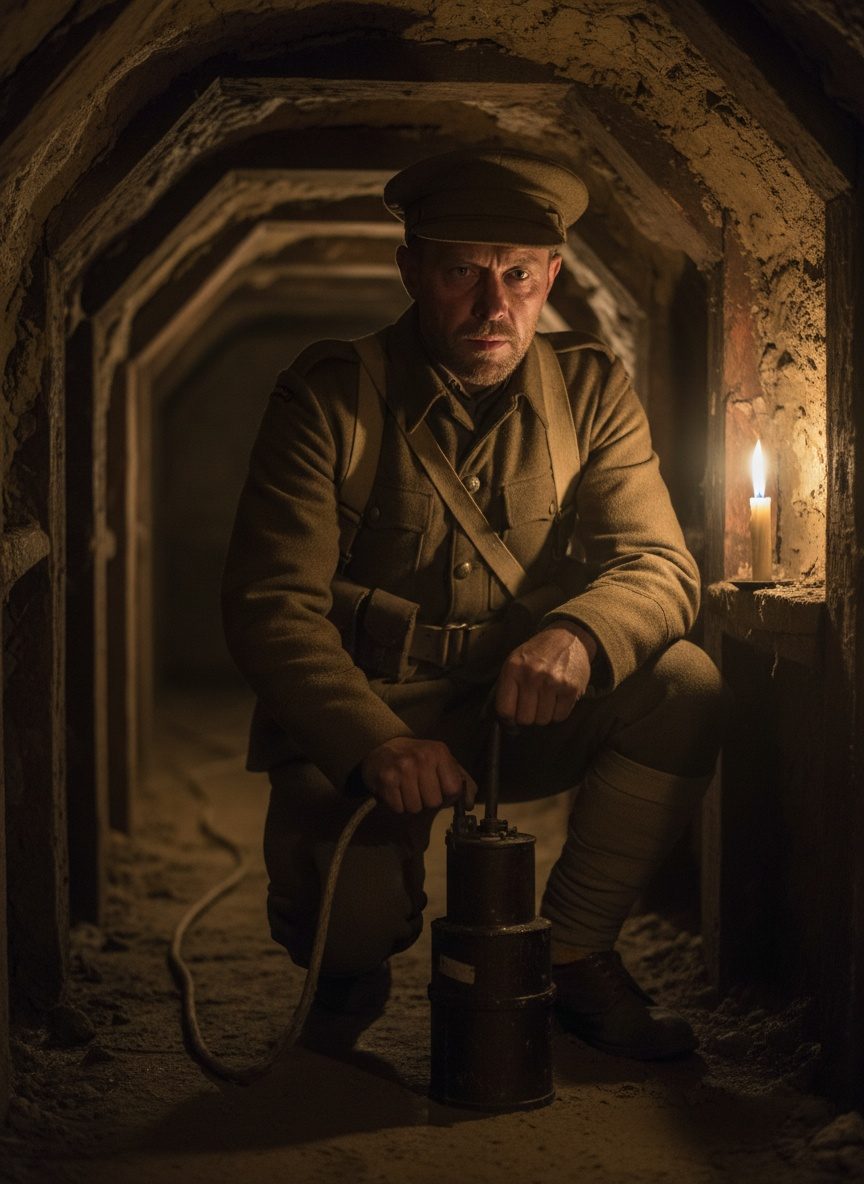
The earth trembled beneath Arthur Carty as if some monstrous, unseen hand was clenching its underground fist. Around him, the British tunneller could hear only the sounds of his own heartbeat, pounding with a tempo that seemed in sync with the ticking watch clasped firmly in his gloved hand. Seconds slipped by; eternal, nerve-wracking moments as night lingered over Messines Ridge. Just above, men lay in the muck of trenches, waiting, clinging to the promise of a thunderous dawn that could reshape the front lines, and perhaps even the war itself.
The Silent Symphony Beneath the Battlefield
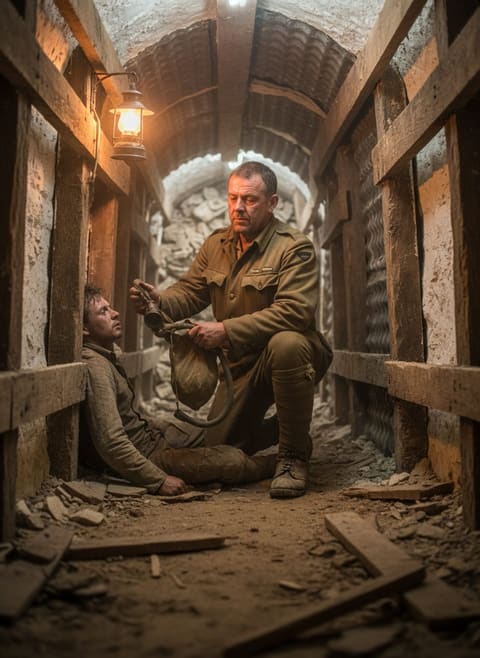
This hush belied nearly three years of a painstaking, clandestine ballet underground, where sappers worked tirelessly, inch by inch, through claustrophobic tunnels that snake beneath the lands separating enemy forces. Known as No Man’s Land, these desolate tracts were unowned, left unclaimed out of fear by those entrenched on either side of them. Yet, beneath this treacherous expanse, the Royal Engineers' tunnellers knew no such indecision. Their domain was shadowed earth, where ripples in the soil would tell tales of whispering footsteps above.
The mission set before these men was Herculean in its scope. Their task was to undermine the formidable German defenses perched atop Messines Ridge—a strategic stronghold that stubbornly resisted Allied advances. Since 1914, the ridge had been a thorn, commanding views across Flanders' fields. By early 1915, plans were hatched to dig under this formidable fortification and blow it sky-high. Under the vigilant oversight of Lieutenant Colonel Charles Foulkes, the Entrenching Division of the Royal Engineers began their quiet, dangerous quarry.
Working alongside seasoned miners recruited from coalfields back in Blighty, the sappers bore their way under the enemy with methodical precision. Their tools were picks, shovels, and an acute sense of hearing—tuned to detect enemy diggers and forestall any untimely discoveries. Here in the shadowy subterranean, a throbbing tension echoed with each timbered brace set against the earth, every hushed curse whispered between the men. Tensions ran high and mistakes were costly, as German tunneling units rivaled their efforts, laying traps of their own. Despite these risks, the British pressed onward, driven by a singular vision of victory.
Read next: The Day a British Stretcher-Bearer Refused an Order to Save Lives
During this time, nineteen mines were heaved into position, each carefully packed with ammonal explosive. The sappers couldn’t guess the extent of their creation, but their efforts aligned with the grandest aspirations of battlefield alchemy. At 3:10 a.m., dawn waiting restlessly at the horizons' edge, the sappers knew the fate of the ridge hung in the balance—literally tethered to the steady hands of Arthur Carty and his comrades.
A Shattering Awakening
The seconds ticked interminably until finally, Carty’s moment arrived. The command was given. Nineteen detonators were launched in unison, their fuses igniting through a symphony of wires laid with razor fine precision. A brief silence followed—a pause in time that captured breaths and slowed heartbeats. Then came the explosion.
It was as if the earth screamed itself awake. Tremors rolled outward in a wave of devastating shock, carrying the explosion's roar over thirty kilometers away and as far as London. The ridge, that stalwart guardian of the German line, was no more. Now it was a surging wall of pulverized soil and flame, pelting fragments high toward the heavens. Men on the ground stood, suspended in awe, watching the very ground they warred upon rend apart, burst open like some ghastly flower.
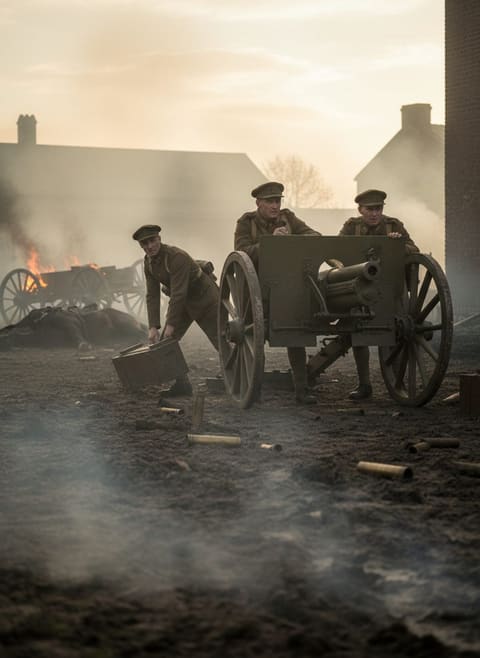
The devastation was complete, the mines having wrought the largest man-made explosion prior to the advent of nuclear weaponry. German lines, once unyielding, lay shattered. Barrages from swords of artillery knighted both flanks, pursuing the routed enemy into the depths of their own confusion. It was a staggering success driven by precise execution and unwavering nerve. The Allies surged forward, their progression stamped by a new urgency and determination, while remnants of the German army could do little but reel and reform.
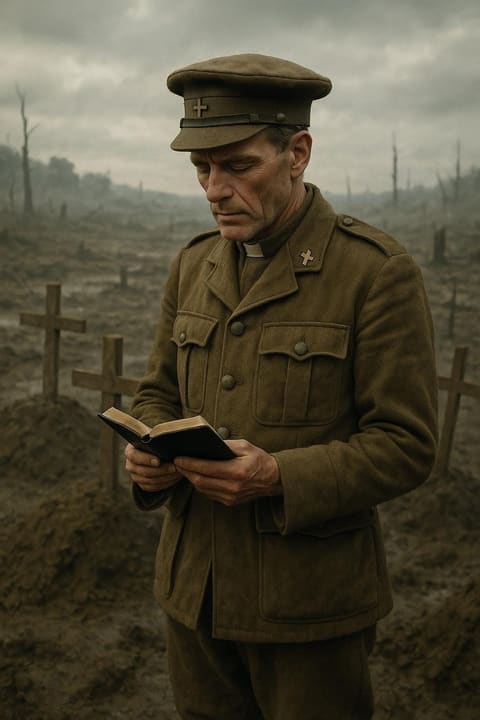
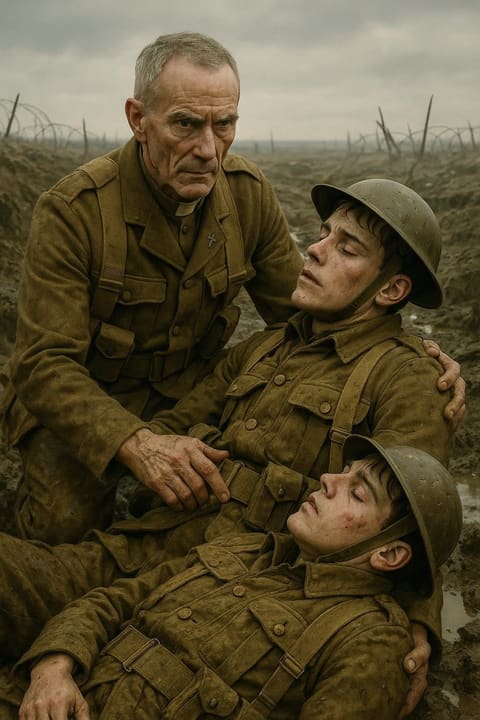
Read next: The Day a Army Chaplain Gave His Coat to a Dying Stranger
Though the scale and power of the explosion were immense, it was the human stories of the battle, both above and below ground, that have captured hearts over the years. Stories of courage, skill, and unwavering focus underlined the gritty reality of tunnellers. These were the men who dared to delve into the earth, turning landscape into a weapon, and fate into their ally.
Lessons in Resolve
Yet, beneath this tale of destruction, there lingers a deeper significance. Messines may be remembered for its bombs, but it was perhaps above all else a testament to human ingenuity and the power of resolve. In an era defined by trenches, tanks, and the terrifying newness of chemical warfare, it stood apart as an emblem of the silent struggles that fuel the clashing of armies overhead.
It is easy to forget these acts of subterranean valor, cloaked as they were in secrecy and soot. The public eye focused elsewhere—on the battles of air battling through clouds, and waves of front-line soldiers risking everything in broad daylight. Yet, the tunnellers' impact echoed far beyond the debris of the ridge; it redefined the battlefield itself, turning it into a space of layered confrontation, where battles roamed between earth and sky.
The explosion at Messines Ridge teaches us about adaptation in crisis, and the capacity of the human spirit to rise from darkness with explosive brilliance. It is a testament to the tenacity and ingenuity of those who forged history by faith alone, hidden out of sight, but forging a legacy that continues to rumble in the pages of time. Long after the dust settled on Messines Ridge, the lessons it taught remain a reminder of the power that resides in holding one's nerve, waiting for just the right moment to light up the world.