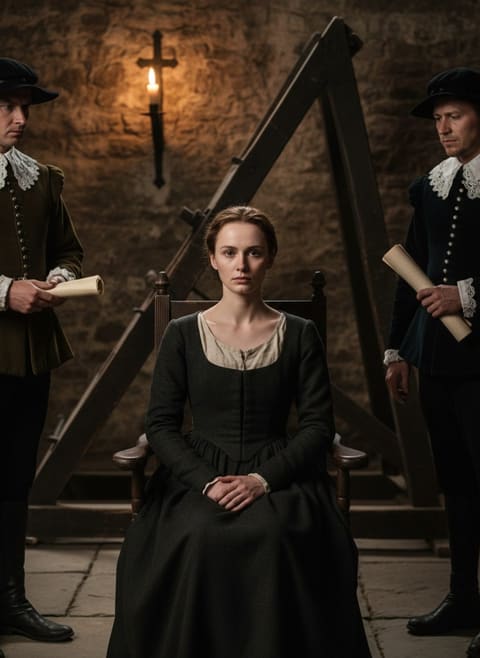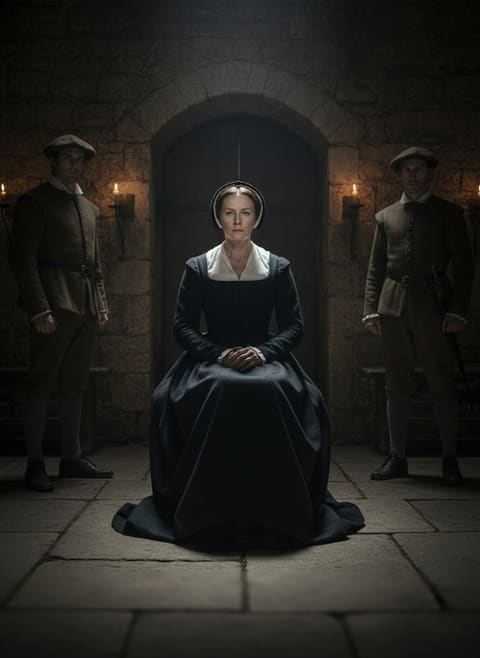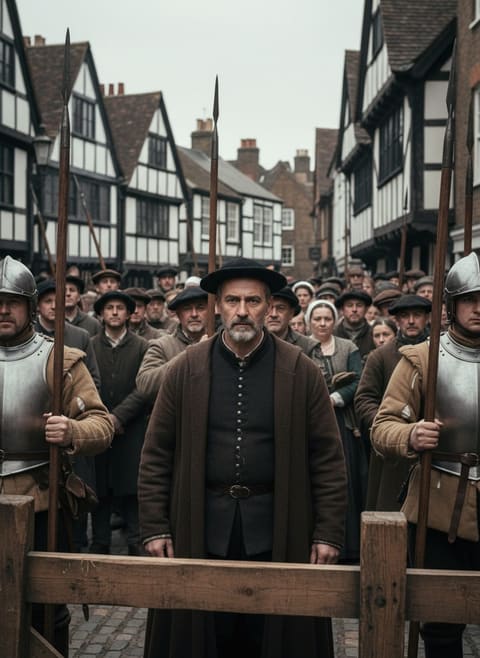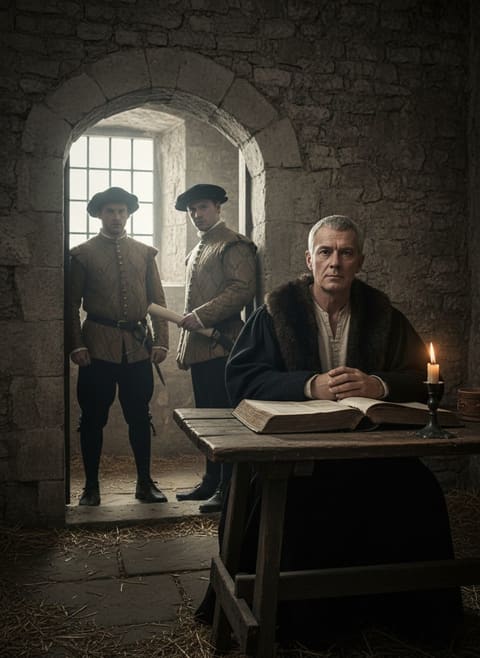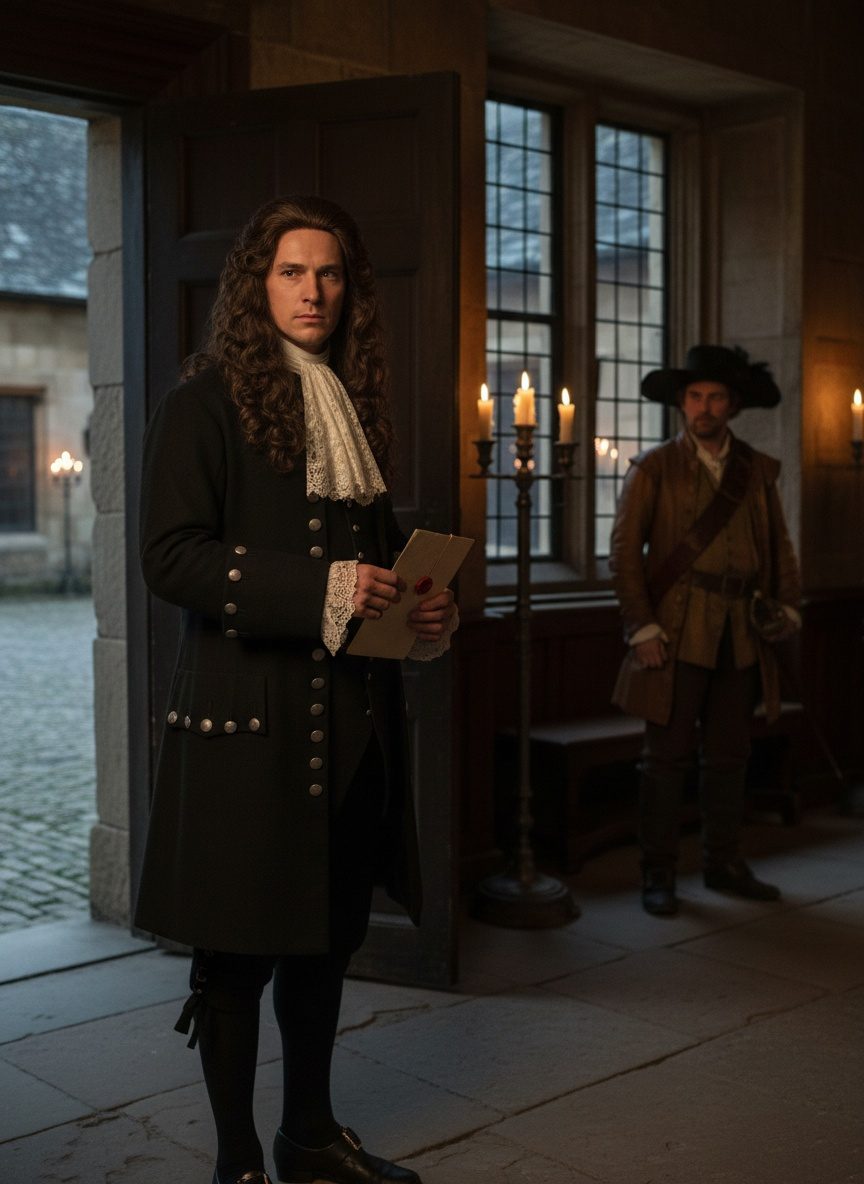
The November fog clung to the Thames like a grudging embrace, its murky fingers reaching up to envelop the city in silence. The distant clanging of church bells echoed eerily, illuminating the thick, cold night with their forlorn notes. Meanwhile, a solitary figure wove through the chilly labyrinthine streets of London, shrouded in uncertainty and the weight of his own faltering reign. This was no ordinary man; it was James II, King of England. With each step, he edged closer to a night that would change the course of British history, a night known paradoxically as the bloodless revolution.
The Gathering Storms
As the winds from the Channel raged unpredictably, the political forefront of England stood in equal turmoil, cracking under the pressure of royal absolutism versus Protestant ascendancy. James II's association with Catholicism was a vexing dilemma in a nation ingrained deeply in its Protestant roots. His attempts to forge a path of religious toleration for Catholics only fueled the fears of those who harbored mistrust and suspicion.
On the other side of the water, William of Orange, Protestant Stadtholder of the Netherlands, observed these unfolding developments with keen eyes. Inheriting the throne through his wife, Mary, James's own Protestant daughter, William posed as a familial ally. Yet beneath the surface, he stirred with aspirations not merely functional but deeply personal and political.
Landing Without a War
The night whispered secrets to the winds, as if conspiring together over the fate of kings. Off the coast of Devon, the Dutch fleet arrived with an eerie calmness. The ocean, often an adversary, was strangely welcoming, guiding them onto England's shores on that auspicious November night in 1688. As William disembarked, flanked by troops equally aware of the fragile grounds they stood on, one thing became immediately clear: there would be no armed confrontation here.
Read next: The Day a Tudor Chancellor Chose Death Over a Royal Lie
The hush with which the Dutch forces stepped onto English soil was a silent protest against the complexities of dynastic loyalties and the trepidations of religion. The air was ripe with anticipation, the tension palpable, yet no shot was fired. It was an uncommon ballet of diplomacy and defiance, maneuvered through corridors of power rather than fields of battle.
The Night Escape
The clattering hooves of a carriage raced through the shadows, echoing against the cobblestones like a heartbeat trying to outrun its destiny. James II, aware that the winds of change were not in his favor, decided on departure, rather than confrontation. In the dim cloak of night, he relinquished his hold, not with a grand proclamation, but with a hurried flight. It was suggested he threw the Great Seal of England into the depths of the Thames, a symbolic act mirroring his relinquished power.
What is often romanticized as a peaceful transition belies the tension that seeped into every corner of governance and familial ties. The conflict was not merely public but private—a father’s faith clashing with his daughter’s new destiny. And so, as James vanished into the night, betrayed by those whom he considered allies, the idea of monarchy was forever altered, redefined by its proximity to the will of the people.
Rewriting the Royal Rules
In the time that followed, England's Parliament sat not merely to repair the kingdom’s fabric but to weave it anew. The English Bill of Rights, a document crafted with the precision of a needle threading through societal fabric, was designed to ensure that never again could a king govern with such unchecked authority. It allowed for the rise of constitutional monarchy—a radical shift where sovereignty no longer sat solely with the crown.
Read next: The Day a Tudor Bishop Refused to Crown a Usurper
This gloriously bloodless revolution was nothing short of a formalized argument, where Parliament set forth a declaration of intent to chart a future where the monarch would rule by consent, subject to the laws of the land. Their actions painted a picture of a nation redefining itself, one proclamation at a time, embodying a more balanced power dynamic between monarchy and governance.
The Never-Ending Reverberations
The echoes of that November night resonate still, as a distant yet present reminder of the flexibility within the rigid ancient traditions of monarchy. What began as a series of family arguments and political disagreements reshaped the nature of British governance, redefining the role of the monarch in a burgeoning modern state.
As we turn through the pages of history, reflecting on the night James II slipped away into the darkness, we find not only the story of one man’s fall but of a nation’s ascension. It was a recalibration that changed the dynamics of power, an evolution from autocracy to the constitutional monarchy we recognise today. Majestic in its anonymity, that foggy night on the Thames stands as a testament to the delicate dance of tradition and progress.