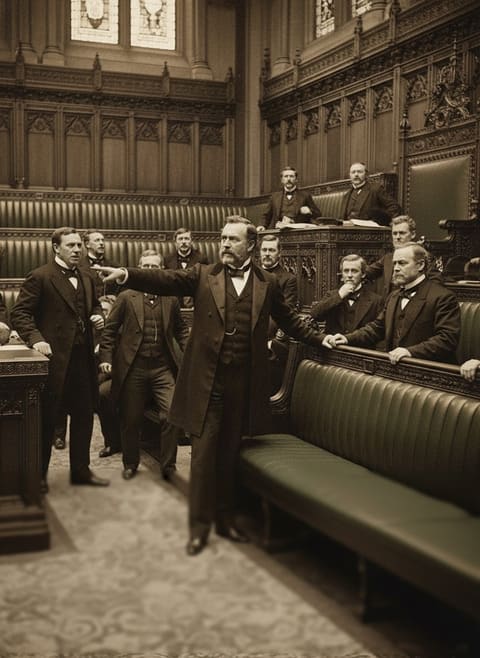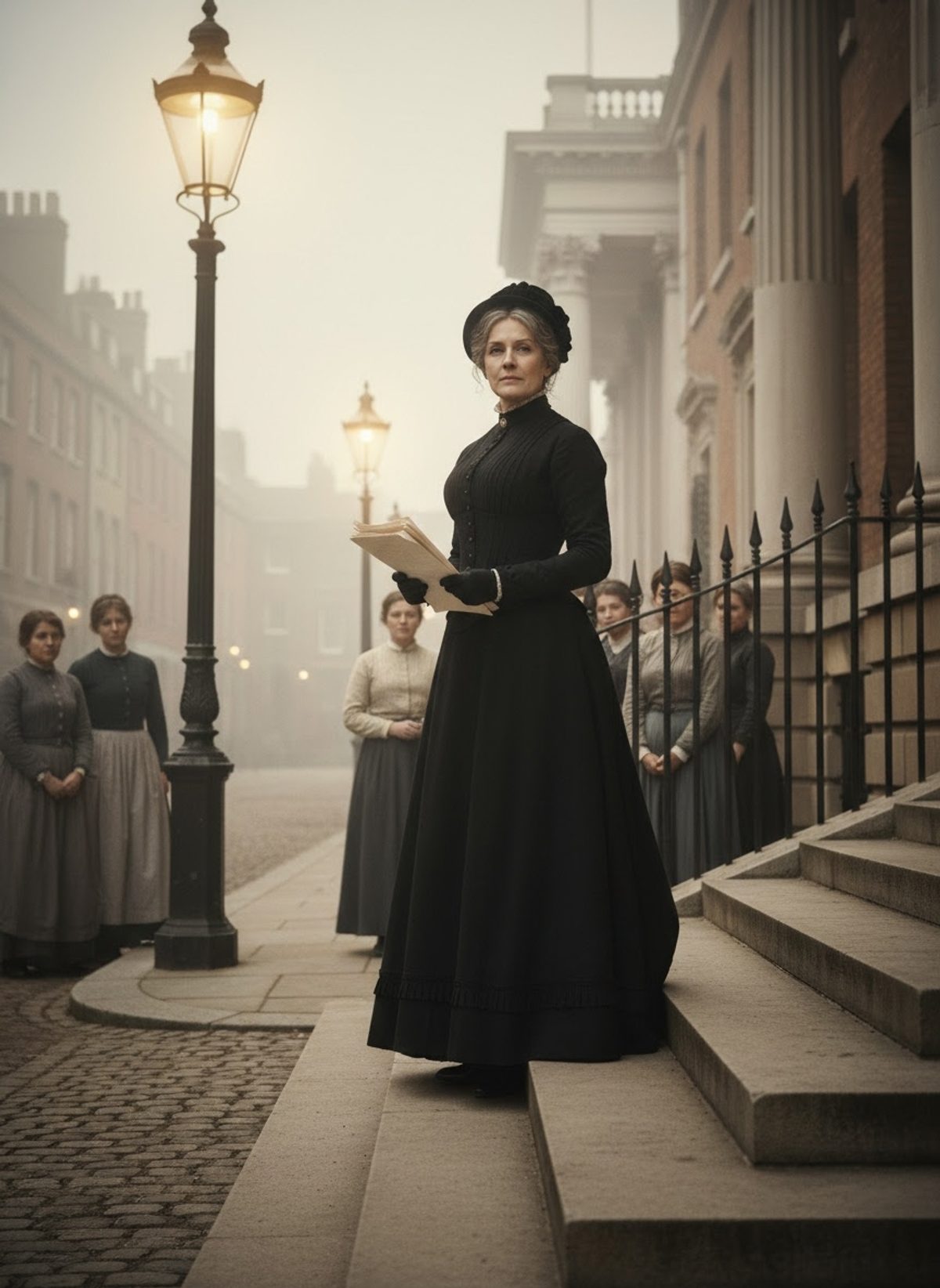
The air was thick with tension and the smell of sweat; then, Josephine Butler pushed through the heavy wooden doors, her heart pounding with purpose. Her entrance into the hallowed halls of Parliament seemed to encapsulate the struggle she had fought for years. Butler, with her determined eyes and commanding presence, was a force that the gentlemen in their stiff, dark suits had not expected—yet she was there to win a moral battle few dared to fight.
Breaking the Chains of Injustice
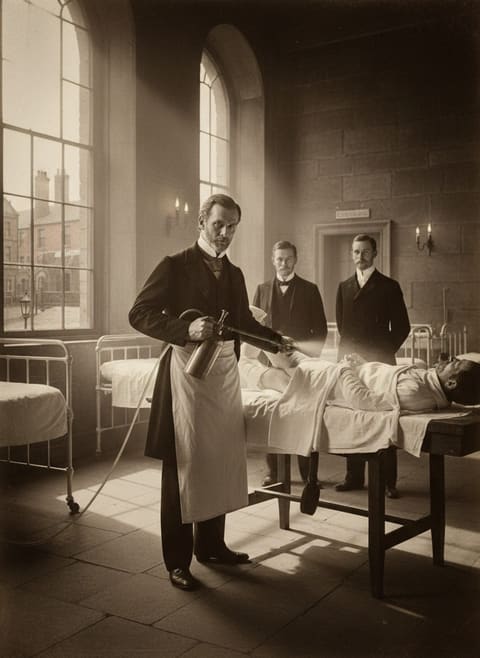
In 1869, Josephine Butler walked into the heart of the British Empire’s political machinery to champion a cause dismissed by the elite—an end to the Contagious Diseases Acts. Enacted by Parliament in 1864, these laws targeted women in burgeoning Victorian cities, places teeming with soldiers and sailors—and disease. Designed to maintain the health of the servicemen, the Contagious Diseases Acts permitted police to arrest women suspected of prostitution and subject them to invasive examinations.
This act, rooted in gendered double standards, ignored the men who fueled the industry. A poor and voiceless class of women bore the brunt, forced to submit to what Butler and her colleagues described as "surgical rape". For many Victorian women, this grotesque treatment stripped away dignity and agency, branding them with a lifelong social stigma. It was against this backdrop that Butler emerged as an indomitable advocate for women’s rights.
She was not a woman of privilege but a determined mother from Northumberland, driven by an unwavering sense of justice. Her campaign aimed not merely at pausing this unjustness but at repealing these laws entirely. She galvanized a movement across Britain, tapping into the rising tides of feminism and social reform. The rescue of these forgotten women became her life's mission.
Read next: The Day William Booth Marched Into London's Darkest Slum
Butler’s rallying cry reached far beyond the confines of the drawing room, penetrating the spirit of reform across the Channel in France, where similar laws were under scrutiny. Yet, while international allies emerged, at home she faced vilification by the press and derision from political adversaries who deemed her crusade unwinnable. Undeterred, Butler knew that moving mountains required more than mere indignation; it required a sustained campaign of empathy and perseverance.
A Relentless Journey for Change
How Butler wielded such influence in the austere halls of Parliament is a testament to her strategic genius. Rather than crash headfirst into the entrenched patriarchal powers, she wove a tapestry of testimonies that brought the heart-rending stories of afflicted women to the fore. Her gentle but firm approach resonated with those who once viewed her with skepticism.
But it wasn't only her persuasive oratory that swayed public opinion. Butler's strategy involved a grass-roots movement that replicated itself across the country, drawing in allies from all walks of life—clergymen, doctors, and fellow reformists. They flooded newspapers with eloquent critiques and grounded arguments, refusing to let the subject die down in public conversation.
Josephine tirelessly crisscrossed Britain, organizing petitions and lectures that attracted both women and men. The sheer scale of her engagements was almost unfathomable. She transformed societal leisure spaces into platforms of political awakening, where the scandalous whisperings of legislative reform could no longer be ignored.
As the years rolled on, persistent lobbying led to cracks forming in the legislative monolith. Doubts were sown in the corridors of power, fluttering through debates like a sparrow finally released from the hands of its captors. Meanwhile, Butler’s character endured countless attacks; attempts to defame her virtue and sanity seemed relentless, yet none could dampen the fervor that brimmed beneath her calm demeanor.
Read next: The Day Annie Besant Gave London's Match Girls Their Voice
The Long Night Ends
By 1886, the ripple effect of sixteen years of relentless campaigning finally crested into a wave Parliament could not withstand. The Contagious Diseases Acts were repealed, a watershed moment that marked a victory beyond just legal terms—it was a victory for human dignity. Josephine Butler, unyielding, had done what seemed impossible. She had shown that moral convictions, armed with rigorous advocacy, could uproot institutional oppression.
Even more significant was the awakenment Butler incited throughout British society. It wasn't just a win for those suffering under oppressive laws but an enduring legacy for what earnest activism could achieve. The thousands of voices once silenced by shame and fear were now heard, and the path to equality seemed less daunting.
The story of Josephine Butler is not merely one of trial and reform but of the intrinsic value of justice in the corridors of power. A woman, in a time when women were boxed by societal limits, dared to open doors few thought they could touch. She taught Britain an enduring lesson: that when power is used to sow seeds of oppression, truth can wield its own power to illuminate and liberate.
In Butler's steadfast campaign, we find echoes of contemporary struggles for gender equality and human rights. Her journey, marked by resolve and compassion, reminds us that the voices of the many can indeed chart the course for a fairer society. Perhaps this is why her footsteps into Parliament have never truly left its halls.