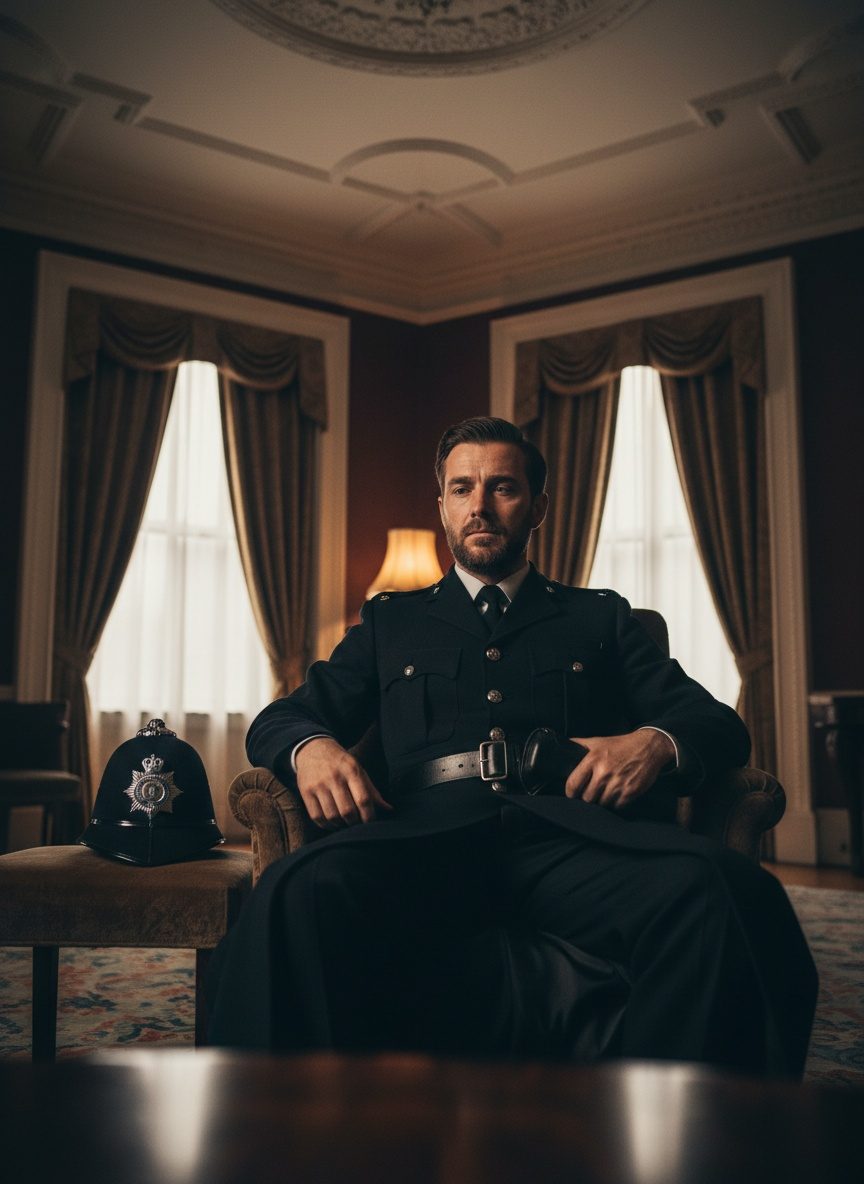
Most people have never heard of PC Trevor Lock. Yet, on those tense days of 1980, he was as crucial as the well-documented heroes who ended the Iranian Embassy siege.
The Siege Begins: A City on Edge
The heart of London was suddenly under siege. For six harrowing days at the end of April and the beginning of May 1980, the Iranian Embassy in affluent South Kensington became the unlikely setting for a standoff that transfixed the world. Inside were six gunmen and twenty-six hostages. With the city bustling beyond the embassy walls, the quiet terror within was in stark contrast to the springtime normalcy of the capital.
The gunmen, members of an Arab separatist group, had stormed the embassy with demands that catapulted Britain into a tense confrontation. As negotiators worked tirelessly, nobody outside suspected that one of the key players in this high-stakes drama was not one of the attackers, nor a hostage negotiator, but a Metropolitan Police constable hidden in plain sight, biding his time with a weapon well-concealed.
Inside the Embassy: A Game of Patience
Amidst the chaos, PC Trevor Lock's presence became an understated but critical component of the unfolding situation. Assigned to guard duty during the embassy event, Lock found himself in an unparalleled position once the siege began. Under his coat was a revolver that the gunmen failed to discover during their hasty takeover. It was as if fate had stealthily woven an unlikely thread into the fabric of this ordeal.
Read next: The Day a London Printer Stood Trial and Freed the Press
Lesser-known details about Lock's time inside paint a picture of unimaginable fortitude and calm. Tasked with ensuring the gunmen never realized the tool at his disposal, he maintained his composure throughout the demands and threats. Even as the gunmen grew angrier and more unpredictable, Lock played the role of subdued captive, while keeping his hidden ace just that—hidden.
The World Watches: Diplomats, Media, and Men in Black
As hostages endured uncertainty inside, the streets just outside the embassy swarmed with journalists and onlookers, cameras capturing each emotive moment of the prolonged siege. Meanwhile, unseen and preparing assiduously in the shadows were members of the Special Air Service (SAS), Britain's elite military force. Their presence was an escalating sign of the severity of the ordeal, a gleaming, secretive promise of decisive action if negotiations faltered.
This was no small affair; it punctuated the supposedly untouchable safety of London's very heart. Diplomatic repercussions loomed large, while political tensions simmered across global intersections. Yet through it all, the media spotlight rarely shifted from the tall gates of Princes Gate, beyond which lay a crucible of human resilience, resourcefulness, and, sometimes, just a little luck.
Breaking the Siege: When the Silence Shattered
On the sixth day of the standoff, it became clear that negotiations were going nowhere. The gunmen's patience waned dangerously thin, and Britain was running out of time to ensure the hostages' safety. As the tension reached its zenith, the SAS received the green light to proceed.
Cloaked in black and descending with purpose, the highly trained operatives of the SAS moved in with synchronous precision. The embassy rooms erupted in chaos as they smashed through the windows, their presence electric and overwhelming. But they were not alone in their efforts. For at that perfect moment of pandemonium, PC Trevor Lock saw his chance to finally act. He utilized his hidden revolver to protect hostages and ensure the gunmen were disarmed, playing an invaluable role in the rapid unfolding of the rescue.
Reflecting on Heroism: What Lies Beneath the Surface
In the annals of British history, the 1980 Iranian Embassy siege is often told as a tale of military heroism—and rightly so, given the SAS's stellar performance. Yet beneath the celebrated headlines lies a deeper narrative, embodied by PC Trevor Lock. His unreported steadiness amid an unprecedented crisis highlights the unsung art of blending patience with nerve. While the larger-than-life exploits of the SAS captured the public eye, Lock's quiet resolve illuminated the understated power of waiting for the right moment to act.
As he returned to the ordinary duties of a policeman in the days that followed, Lock's story offered a reminder that heroism does not always roar; sometimes, it is the steady beat of a hidden heart, waiting and ready beneath the coat of everyday life. It prompts reflection on the countless unheralded guardians whose silent vigil keeps the fabric of ordinary life intact during extraordinary times.