The African grasslands stretched endless under the bright glare of the midday sun, the air filled with the hum of insects — a deceptive tranquility clashing with the tension of impending violence. On this land, where every breath seemed borrowed from an ancient legend, destiny awaited Prince Napoleon Eugene Louis, the last hope for the Bonaparte name. It was here in Zululand, on a fateful June day in 1879, that the young man who had been born into the legacy of Europe’s most formidable dynasty would meet his tragic destiny. His was a life marked by royal blood and expectation, ending not amidst the elegant palaces of Europe, but in the stark realities of a British-led military campaign.
Noble Blood, Imperial Expectations
Born on March 16, 1856, Prince Louis was a child cradled in history and privilege. His great-uncle, Napoleon Bonaparte, had once stirred the whole of Europe as Emperor of the French. Being Napoleon III's only son, Louis was enveloped in imperial ambition from birth, becoming the head of the Bonaparte dynasty immediately upon his father's abdication in 1870. His baptism alone reflected the convergence of great powers — godson to both Pope Pius IX and Queen Victoria. The heir carried not just a name, but the colossal weight of a legacy demanding to be restored. Educated in France and England, and immersed in a world still echoing with the battles of his forebears, young Louis was a prince dreaming to reclaim a lost empire. Yet, empires would be remade, not in Europe, but on foreign soils far south of where his ancestors had left their indelible prints.
A Longing for Valor
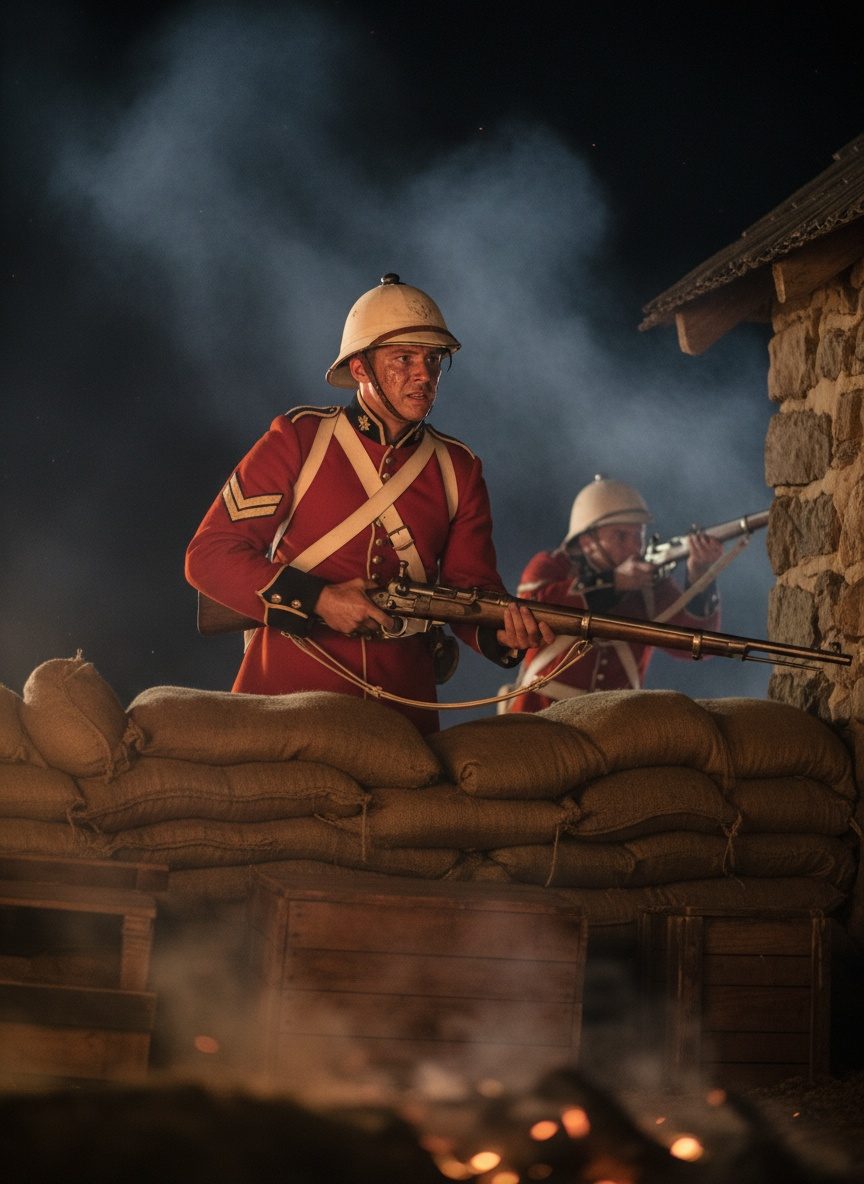
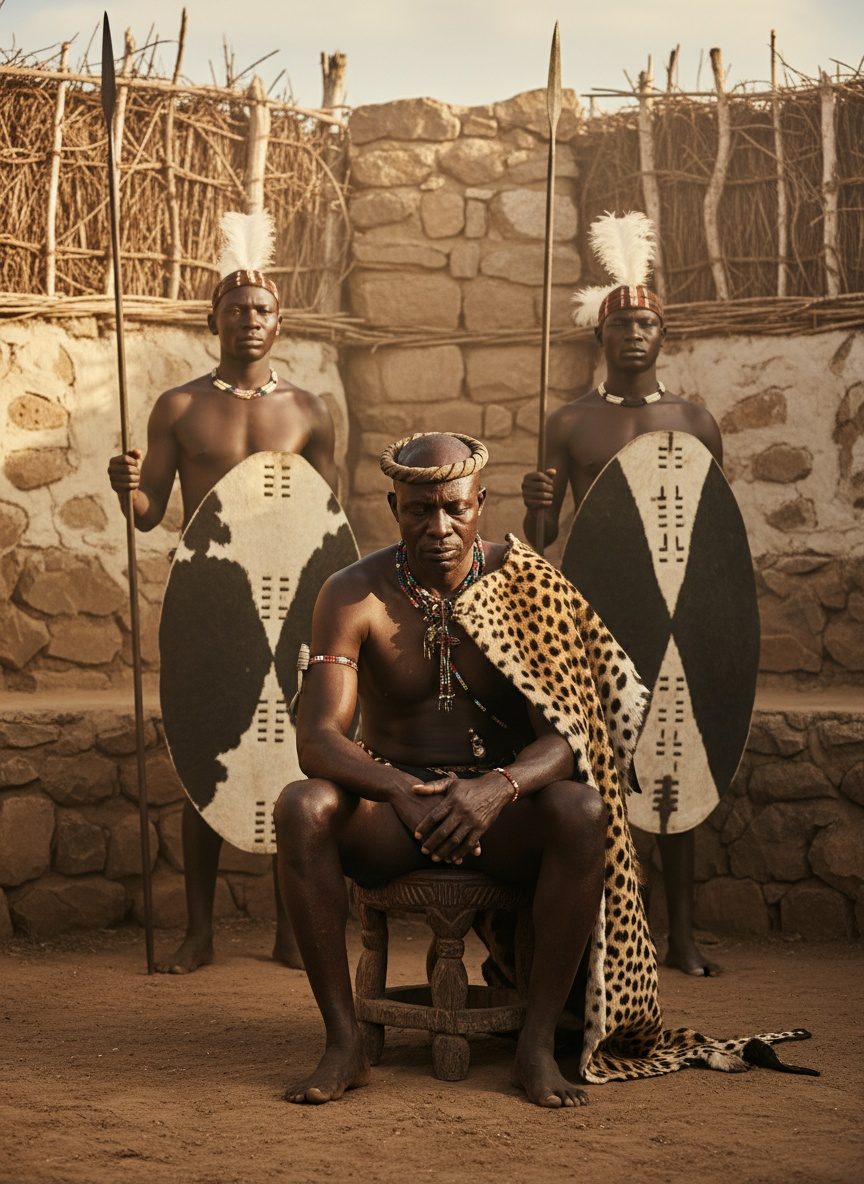
Louis's youthful heart yearned for adventures and laurel wreaths of glory. Identifying with the warrior ethos of his Bonaparte bloodline, he saw military service as the ultimate proving ground. When the British army sought auxiliaries for their aggressive campaign in Zululand, the prince seized this opportunity to solidify his martial reputation and hoped for a path toward the restoration of Bonaparte prestige. This campaign, under the command of Lord Chelmsford, sought to subdue the Zulu Kingdom — a valiant society determined to defend its land and sovereignty. His mother, the Empress Eugénie, nonetheless filled with dread, relented to his urgings. Accompanied by remnants of loyal companions and a heart filled with dreams of valor, Louis headed for the turbulent plains of Africa, where European imperial ambitions met fierce indigenous resistance.
The Turning Point of Tragedy
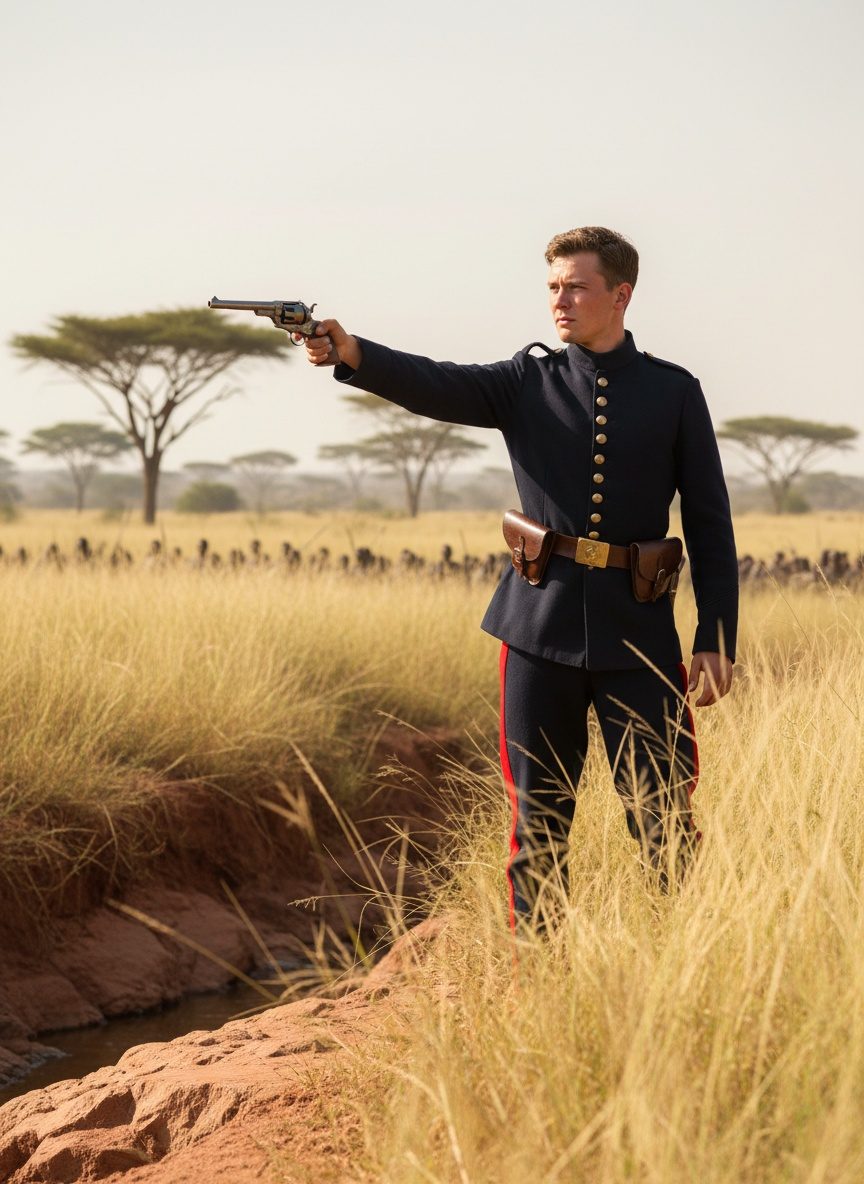
On June 1, 1879, amidst high-spirited soldiers and rustling horses, the prince ventured into the bush with a small reconnaissance patrol. The terrain was treacherous, the atmosphere thick with tension, a sense of foreboding threading through the day's discomfort. As they moved deeper into the hostile land of long, swaying grass and lurking shadows, fate brimmed at the edges. The sudden and terrifying eruption of Zulu warriors from the natural camouflage of the bush was a scene of primal chaos. Horses broke free in panic, and ordered ranks disintegrated before the fury of the Zulu onslaught. In the ensuing skirmish, Louis's legendary lineage met a bitter end. His sword arm shattered by a firearm's misfire, yet with resolute bravery, Louis turned his pistol to the frenzy, firing left-handed into the relentless charge.
Aftermath of Chivalry
Upon recovering his body, riddled with seventeen spear wounds, each endured with dignity and refusal to retreat — all were frontal, testifying to his courage. The poignant image of this young prince, his lifeless form draped over familiar saddle fragments from his exiled father, stirred a mourning Europe and beyond. A prince of imperial ties and grand aspirations, Louis perished in an alien land, perhaps a pawn in the broader game of European imperialism. The Zulu report of his noble resistance left observers in somber admiration and poetic reflection — a stark truth illustrating the heart’s war against insurgent despair.
A Name Sealed in the Sands
The death of Louis Napoleon signified more than the extinguishing of his lineage; it underscored a seismic shift in the theater of imperial expansion and legacy. While his demise marked the end of the Bonaparte claim to political grandeur, it uniquely anchored the story of Napoleon into the vast narrative of British imperial history. His sacrifice, out of time and place, whispers resilient echoes of the complex nature of ambition, pride, and ultimate obsolescence. The tragedy pulls us into a question of destiny — whether we forge it or it forges us. A tale wrapped in courage, family honor, and historical tautness — it's a reminder that even the grandest names dissolve not in crowns or oblivion but sometimes far from home where the grass grows green under African sun.