August 24, 1939. The air was thick with urgency as military planners scribbled feverishly under flickering oil lamps.
The Race Against Time
As autumn approached in 1939, a singular tension gripped Britain. The rumblings of war echoed ominously across Europe, and Britain, determined to stand firm against the impending storm, faced an undeniable truth: its army was unprepared. Amidst whispers of mobilization and the thunder of gathering conscripts, an overlooked logistical hurdle loomed large. The British Army was swelling at a breakneck pace, yet it lacked the most fundamental assets to transform civilians into soldiers. Shirts, boots, belts— all were in alarmingly short supply. Yet, the true sentinel of readiness lay in a simple item barely spoken of: a well-designed, versatile leather kit.
The Birth of an Unsung Hero
The task was daunting and the timeline almost impossible. The Ministry of Supply, tasked with provisioning the rapidly expanding army, convened in haste. Across the table lay blueprints and ideas—not for formidable weapons but for something more humble: essential gear without which soldiers would be unable to train, deploy, or fight. On that August afternoon, a new leather kit concept began to take form, birthed from necessity and desperation.
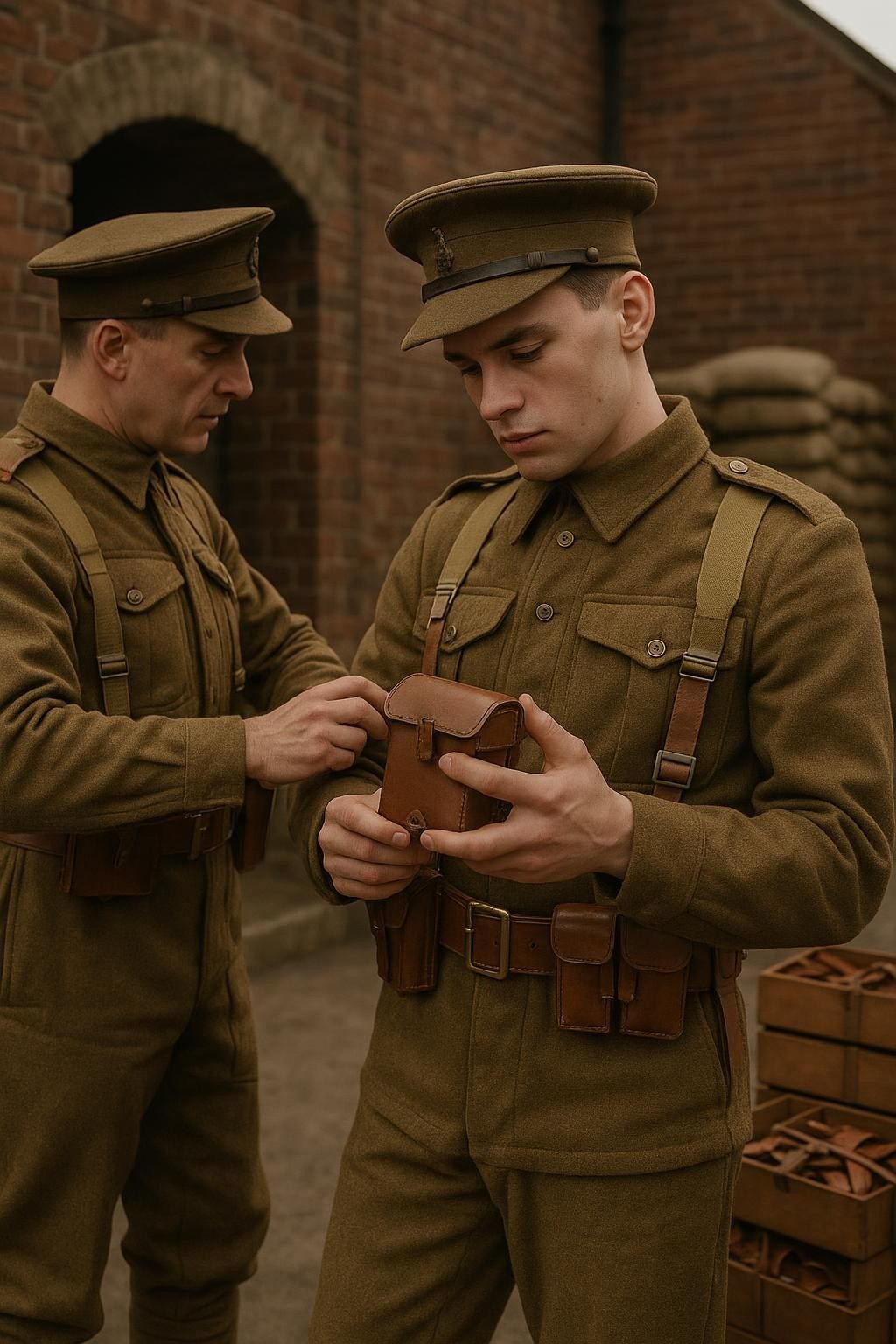
No extensive committees convened, nor was there time for lengthy reviews. A small team of pragmatic designers sketched a rudimentary, yet highly functional, leather assembly. It featured adjustable belts and pouches—practical, resilient, and ready to be mass-produced. It didn't promise glory or grandeur, only utility. By nightfall, this unembellished kit had leaped from concept to approval, propelled by sheer necessity. The following days saw the staggering task of ordering almost a million sets to ensure Britain's young warriors could march toward the looming conflict.
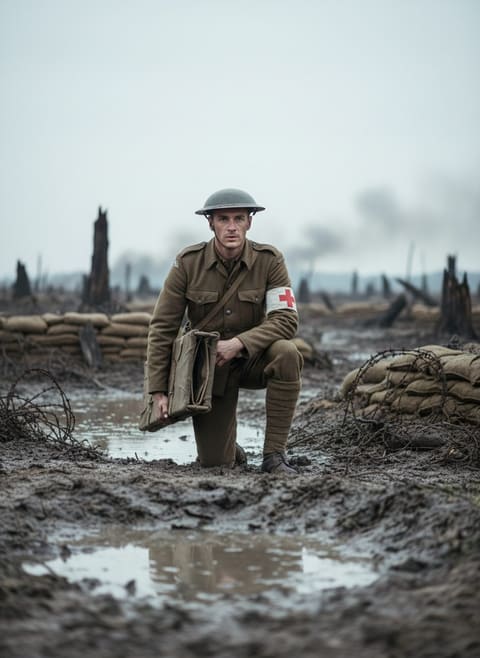
Read next: The Day a British Stretcher-Bearer Refused an Order to Save Lives
Production Against the Clock
With war clouds drawing ever closer, factories across the nation became hives of activity. Leatherworkers, too old to fight but eager to contribute, labored tirelessly alongside young apprentices just learning the ropes. They stitched, cut, and crafted with a resolve born of shared purpose. Every piece of leather that found its way into those kits bore silent witness to the skilled hands that assembled them, as vital to the war effort as the steel threads in a Spitfire’s fuselage.
This leather kit project was more than just a stopgap solution; it was a testament to the industrious spirit of a nation on the brink of war. Each kit, though destined never to grace the battlefield, became a symbol of the logistical lifeline that kept the army moving, training, and ultimately, ready to face the enemy. Like clockwork engines in a well-oiled machine, these kits worked discretely in the background, unseen and unsung.
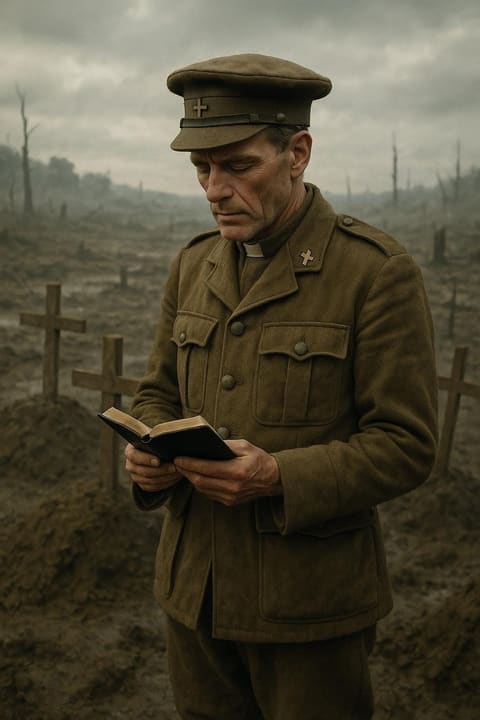
Read next: The Day a Army Chaplain Gave His Coat to a Dying Stranger
The Unseen Impact
As British lads turned soldiers marched across training fields, the unspectacular leather kits equipped them not only for the immediate rigors of military life but for the trials of war. They housed rations, maps, and myriad items essential for transforming green recruits into battle-ready troops. Soldiers could focus on battle drills, and strategists could plan without the crippling worry of their charges being unmet for necessity.
By conserving precious resources for more sophisticated military undertakings and enabling speedy readiness, this simple kit made its indelible mark on the wartime narrative. And yet, it never reached the hallowed pages of history books or the laments of grand speeches. No medals adorned the chests associated with its creation, yet its impact was pervasive, like the roots of a mighty oak hidden beneath the soil.
In the theater of war, we often rush to embrace the tales of valor, the clashing of armor, the strategic genius of great battles. Yet, it's the quiet stories, like that of the unheralded leather kit, that shore up the pillars upon which the grand narratives stand. These kits remind us that sometimes, the greatest contributions are those made in the uncelebrated shadows, supporting the weight of history from below.