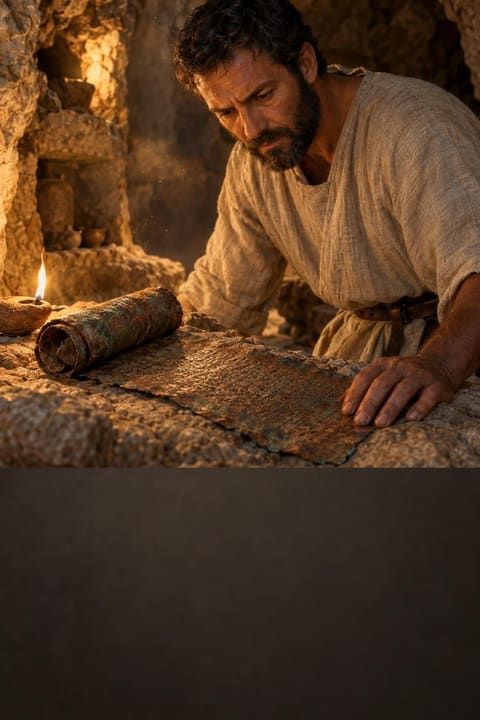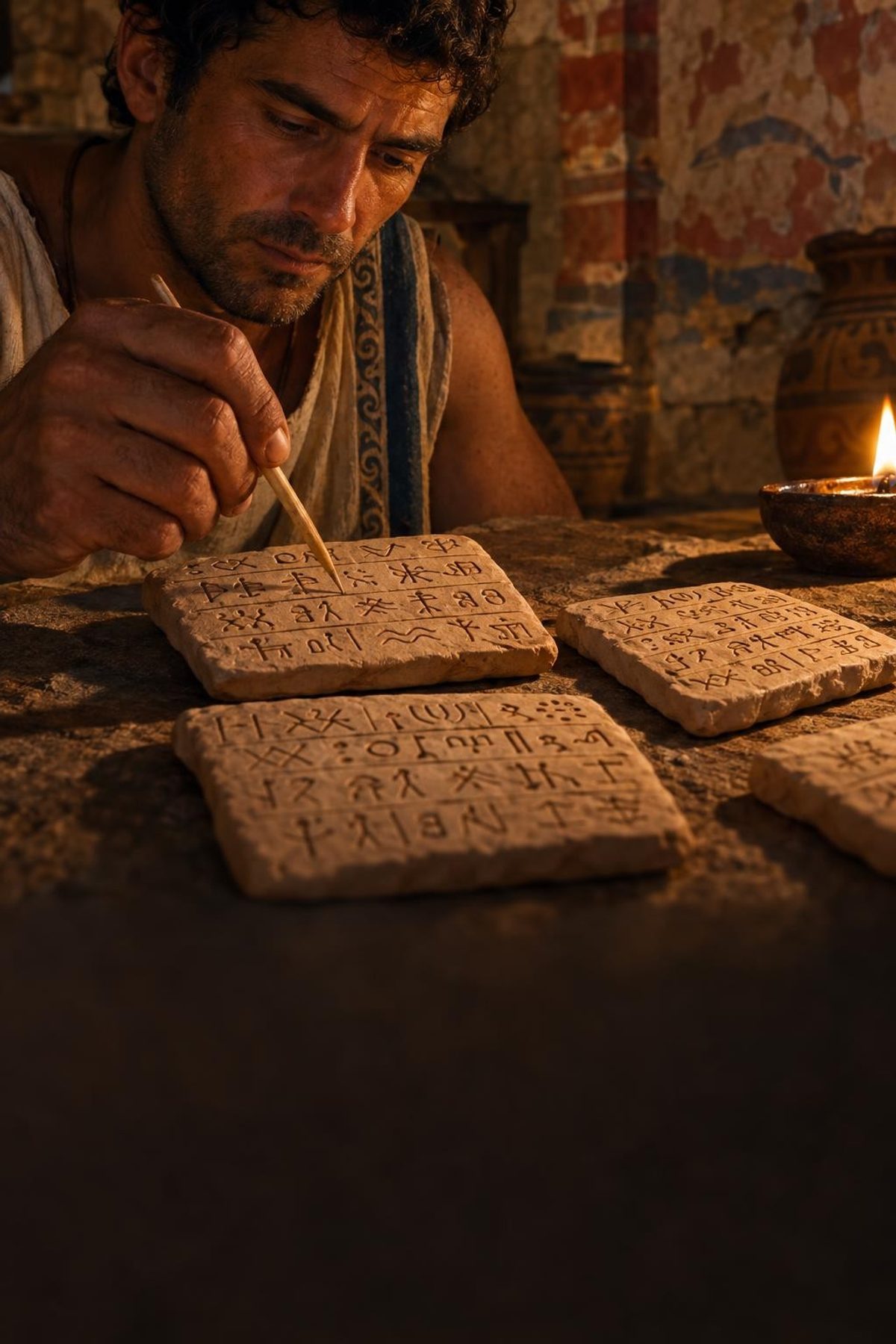
Nimble hands carefully shaped the clay into a pliable tablet, the soft material cool to the touch beneath the blazing Cretan sun. The scribe, an agent of the distant Minoan past, etched precise lines and curves into its surface, each stroke imbued with purpose and mystery. What must have seemed a routine task in around 1700 BCE now presents one of archaeology's most perplexing riddles: the enigma of Linear A, a script inscrutable and untouched in the corridors of time.
The Sibilant Whispers of Knossos
Amidst the ruins of ancient Knossos — a seat of civilization on the rugged island of Crete, echoing with the whispers of bygone prosperity — hundreds of clay tablets lay buried, redolent with secrets. Archaeologists, with hands dusty from the labor of unearthing history, stumbled upon these tablets, the silent testimony of the Minoans, who once weaved tapestries of power and artistry unmatched in Europe.
The Minoans, shrouded in the obscurity of the Bronze Age, laid the foundations for what would blossom into European greatness. Crete thrived as a linchpin of commerce and culture, its majestic palaces gleaming under an azure sky. Within these palaces, the articulations of this grand society were preserved in the inscrutable Linear A script, each symbol a key without a lock, a message left without a recipient.
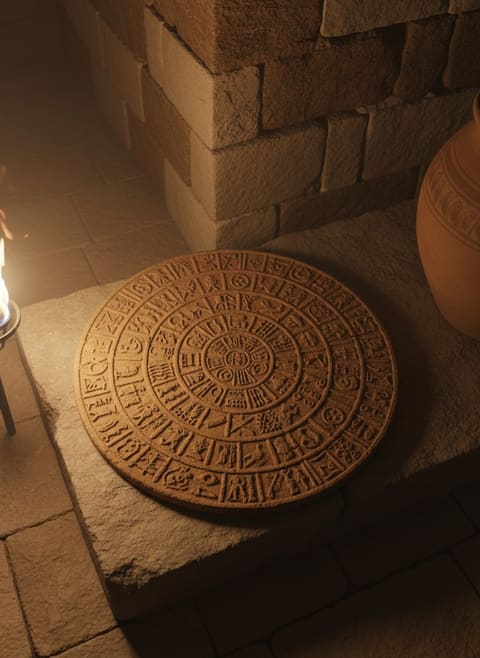
Discovered in palace archives like Knossos and Phaistos, these tablets inscribed with Linear A remain impervious to our modern understanding. Hundreds of symbols, striking in their precision, delineate an array of phonetic and ideographic signs, their meanings tantalizingly elusive. Unlike its successor, Linear B, which was miraculously deciphered in 1952, Linear A guards its secrets closely, an unwritten language etched on time's canvas.
Read next: The Pictish Symbol Stones: A Language No One Has Decoded
The Reach and Reign of the Minoans
These scripts resonate with the heartbeat of a civilization that stretched far beyond the boundaries of Crete. From the sun-bathed shores of Santorini to the bustling trade arteries reaching into the Aegean Sea, the Minoans' influence was as vast as it was profound. Linear A buries within its complex symbols not just linguistic secrets, but the very ethos of a society where art, religion, and governance coalesced into a singular identity.
The artifacts bearing the Linear A script are usually administrative in nature, hinting at an organized bureaucracy that predates even the earliest iterations of the Greek world. Their use predominantly within palatial contexts implies a network of literacy and record-keeping that underpinned Minoan society but left whispers instead of songs for future generations to untangle.
These whispers echo against the stark contrast of Linear B, a script born from its Minoan precursor and adapted by the Mycenaeans to record an early form of Greek. The decipherment of Linear B offered a prized glimpse into ancient Mycenaean life, yet Linear A stubbornly guards the silence of its parent society, revealing the mystery of a complex linguistic dance interrupted by time.
The Defiant Silence of the Signs
Scholars, alike to sentinels content to watch over an impenetrable treasure, have long sought to breach the fortress of Linear A. The script comprises at least 87 distinct syllabic signs and over a hundred ideographic symbols, a tapestry of meanings too richly woven for easy decoding. The similarity between the signs of Linear A and Linear B teases these researchers, hinting at connections yet denied full expression.
In 1952, architect Michael Ventris, alongside classicist Alice Kober, achieved the miraculous by unlocking the secrets of Linear B against all odds. Linear B's association with the Greek language provided clues for decipherment, but Linear A’s language eludes modern comprehension, standing apart with no clear ties to known ancient tongues. This has led many to speculate whether the Minoans spoke a language isolated from the sprawling Indo-European families, a linguistic remnant lost in the sea of annihilated cultures.
Read next: The Yonaguni Monument: Japan's Underwater Pyramid Explained
For all its opacity, each runic swipe and engraved mark on these tablets remains infused with the promise of revelation. Would the cracking of this code unravel tales of triumphs or tragedies? Or would it reveal the mundane administration of an ever-thriving urbane Bronze Age epicenter, wrapped in mysteries more commonplace than romantic?
The Stones That Speak of Time
The tablets of Linear A embody a narrative much larger than the confines of textual illumination. They speak volumes of a world forever unvoiced yet infinitely impactful. Each sign scorched into these fragments of clay is a brushstroke on the canvas of a sophisticated and interconnected past.
The mystery of Linear A endures as a testament not solely to the tantalizing obscurities of forgotten tongues, but to the persistence of human inquiry, unable to still the pursuit of knowledge. As modern humans glance backward into the Kaleidoscope of time, fragments like Linear A continue to challenge our perceptions and inspire our imaginations.
In the shadows of time, the Linear A script whispers an invitation. It's a call from a civilization long gone, beckoning us to bridge the chasm between their story and our understanding. If unresolved, Linear A ensures that the tale of the Minoans—a splendid civilization of mythic proportions—remains an intricate myth locked safely behind veils of undeciphered clays, just waiting for our enlightenment to illuminate the pathways of the past.