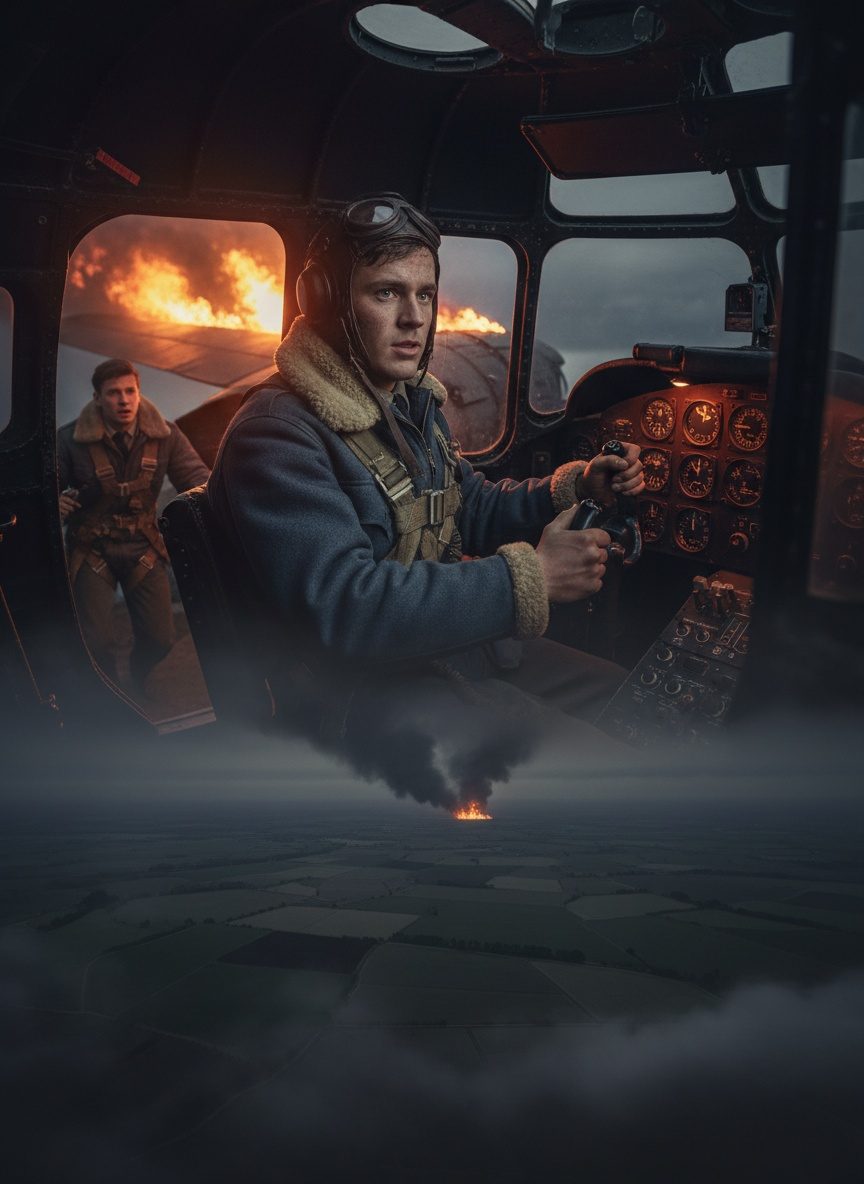
Smoke filled the cramped cabin, dancing like malevolent phantoms through the flickering light of a cockpit ablaze. The roar of the engines barely drowned out the shouts and frantic clamor of steel and fabric tearing apart over occupied Belgium. Twenty-year-old Flying Officer Leslie Manser held the control column of the Manchester bomber with a grip forged from raw courage and pure determination. His lungs scorched with each breath as searing heat licked closer, yet his grip did not falter. The fateful choice faced him; it was a choice he did not hesitate to make.
A Thousand Wings Unfurled
In the spring of 1942, the air vibrated with endless squadrons emerging from the fields of England. The night of May 30th heralded an unprecedented aerial offensive. The RAF’s Bomber Command, a thousand bombers strong, surged towards Cologne. Amongst this formidable array of aircraft was the Avro Manchester, a lumbering two-engine leviathan that was the bane of many a pilot's existence due to its unreliable engines and grim cockpit confines.
Leslie Manser was at the helm of one such bomber. His youthful visage betrayed none of the grave resolve with which he approached his mission. The flak over Cologne was relentless, a storm of iron and fire meant to dissuade the most stalwart spirits. Yet the crew pressed forward, reaching their target and facing the defenses head-on.
Engulfed in Flame
The bomber jolted violently, a product of both the enemy flak and internal malfunction. Beneath Manser’s fingers, the controls resisted sluggishly—an ominous indication. Then, sudden pandemonium—shouting, tearing, and then, the glow of flames licking at the fuselage. Struck, the Manchester was a lumbering beast set alight. The fuel tanks were critically compromised, igniting a conflagration that quickly engulfed the aircraft’s fragile skin.
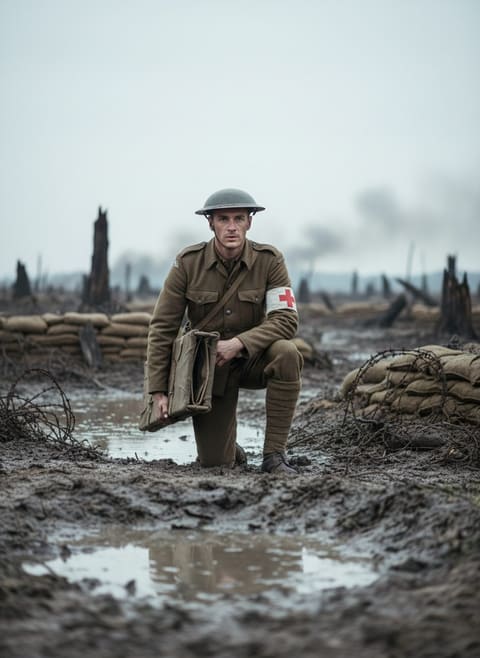
Read next: The Day a British Stretcher-Bearer Refused an Order to Save Lives
Even as the fire advanced, the aircraft continued its course. Explosions of light and far-off screams of flak were drowned by the inferno consuming the Manchester from within. Their time was dwindling to a precious few moments, suspended between the earth and sky, yet Manser knew the crew stood a chance if order replaced chaos. His voice barked over the intercom, a symphony of composure and urgency. The immediate task was clear: the crew must abandon ship.
The Decision Made in Smoke
As each crew member wrestled with their own fears, their survival depended on quick decisions and even quicker hands to parachutes. Manser navigated the dying bomber, granting his crew the precious minutes they needed. In those claustrophobic minutes of frenzy, he commanded the chaos, bringing stability to the frantic motions as one by one, they leaped, casting themselves into the unknown dark night.
At each man’s evacuation, Manser held the Manchester steady. Every crew member was a ripple in the annals of fate, now given a chance, a tether to life outside of encroaching doom. Manser’s own parachute remained unfastened, an afterthought discarded in the cascade of more urgent needs.
The Final Descent
Smoke and fire clawed relentlessly closer to Manser as moments stretched into eternity. The flames threatened to engulf everything, a consuming tidal wave of brilliance. The violent dance of fate wrote its narrative upon that night sky, a script of valor etched in fire and flesh.
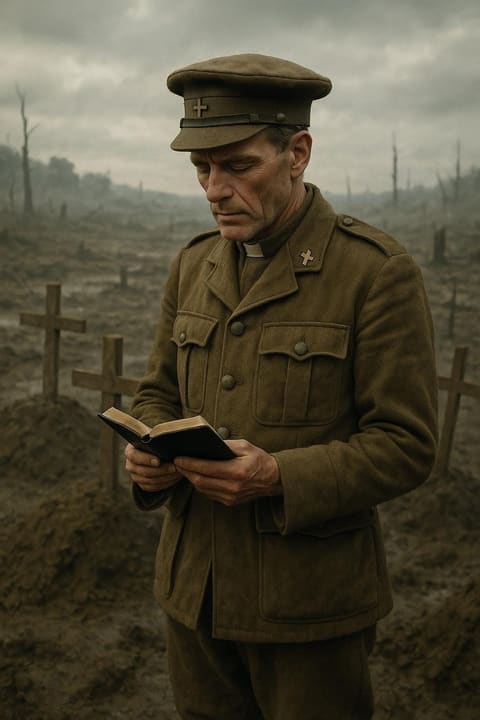
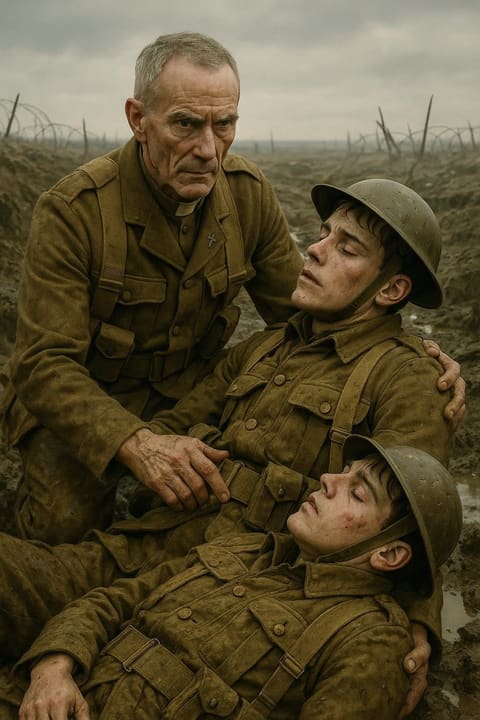
Read next: The Day a Army Chaplain Gave His Coat to a Dying Stranger
Only when at last the Manchester had relinquished its crew to the mercy of the night did Manser confront the solitude of his own peril. His path was clear even as the sky blinked with stars barely visible through the closing smoke—an inky black horizon embracing him as he relinquished control. The altitude fell away, the bomber dipping into its final performance—an elegy of spiral descent that had no curtain call.
A Hero Remembered
The night of May 30th, 1942, may have ended in the anonymous fields of Belgium, yet it carried forth a narrative beyond war—a story of fraternity, sacrifice, and indomitable humanity. The heroism of Leslie Manser did not lie in the realm of glorious victories or high accolades, but in the quiet resolve found in his final moments.
Why should we remember the night a pilot held a burning Manchester steady? Not simply because it’s a recount of war, but because it echoes a truth within the folds of history—that courage and selflessness can ripple across time. Into a world still marred by conflict, it strikes a chord in our conscience, urging us to reflect upon the true nature of valor. Manser's legacy, fiery and brief, endures through the lives he saved, and in every echo of the story retold, his spirit alights anew.