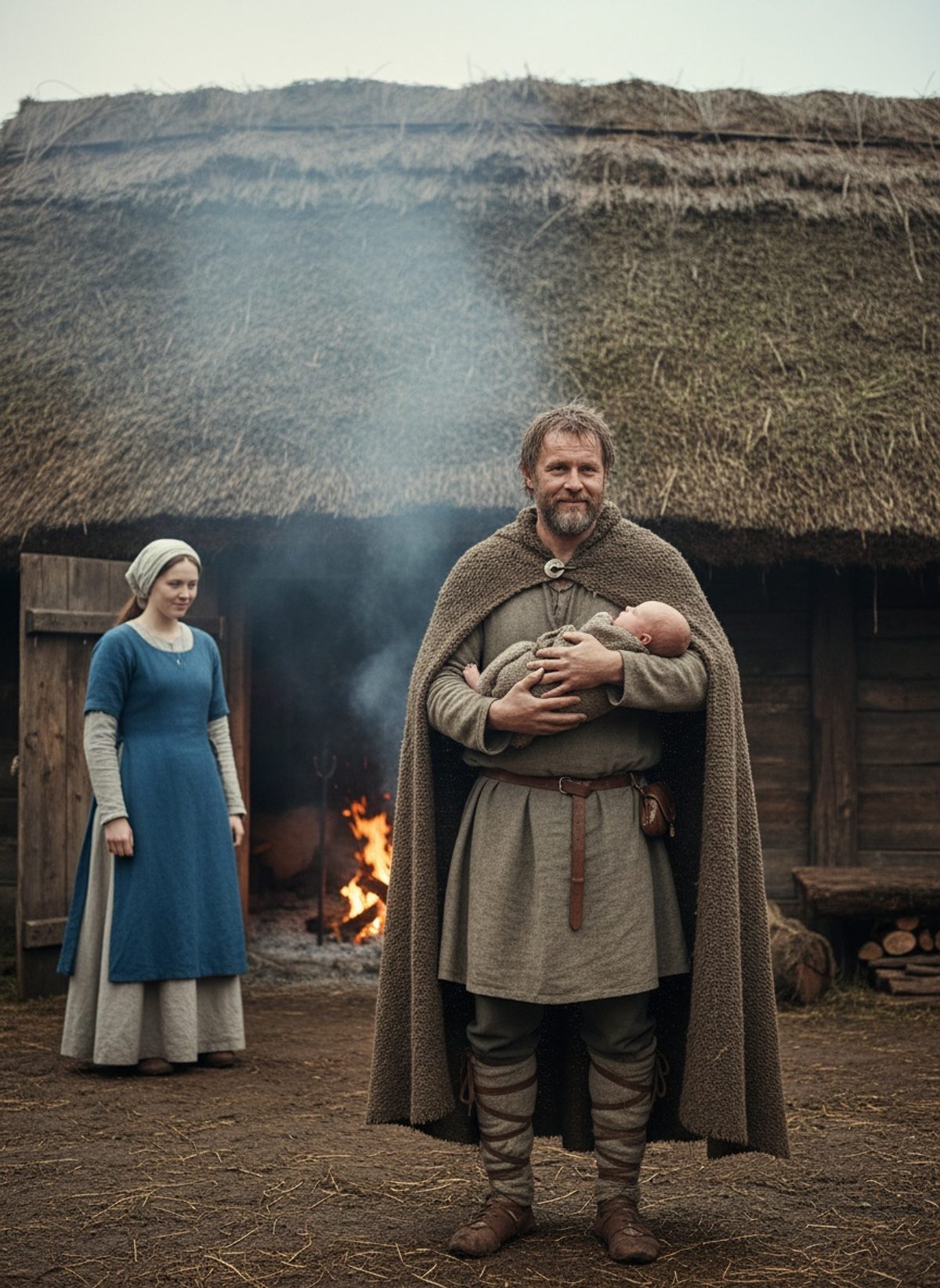
August 18, 1880. The chill of a Scottish summer morning settled over Lanarkshire.
Into the Darkness
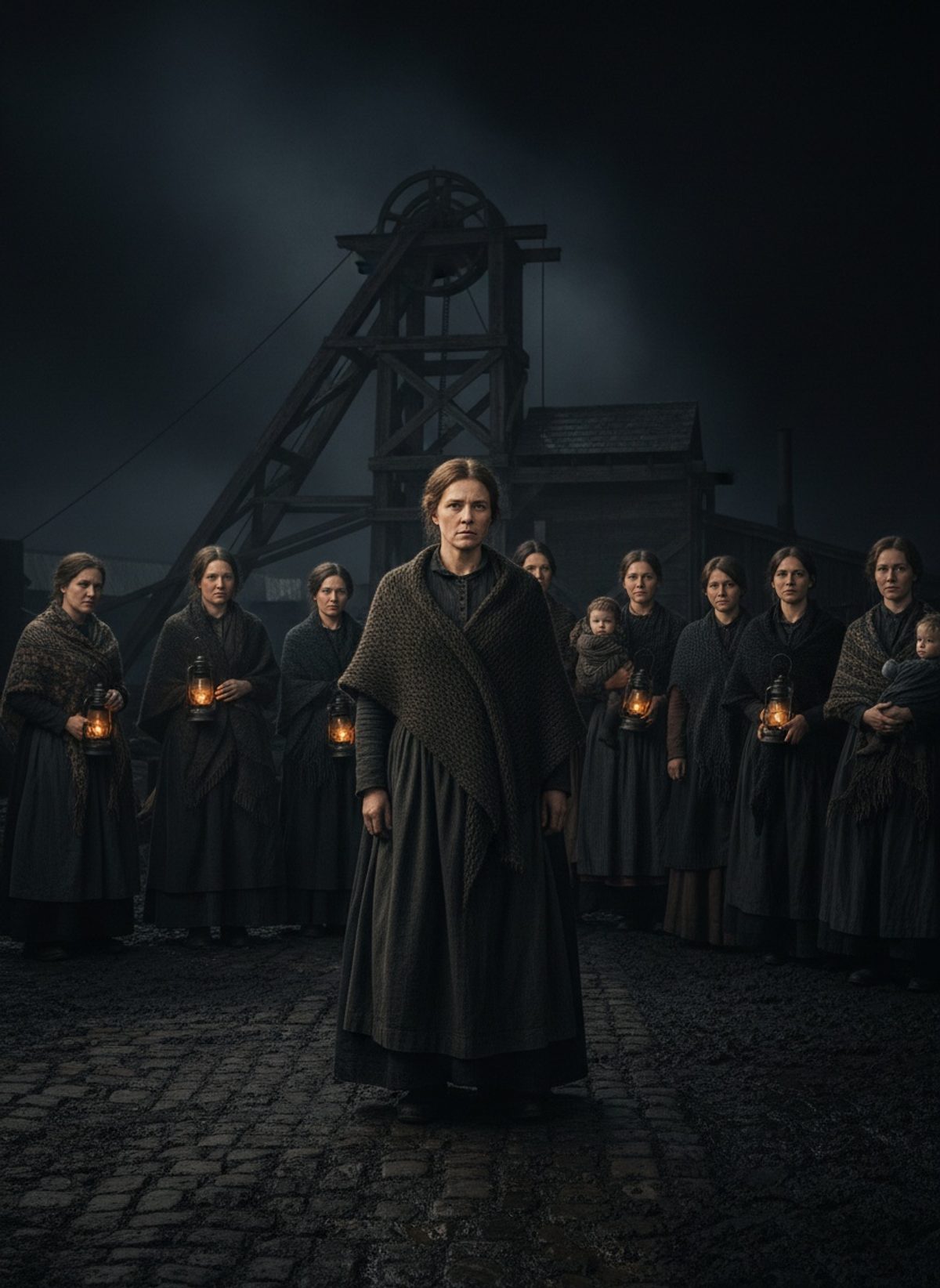
The team of fifty miners descended into the gloom of the Lanarkshire pit, their lamps flickering feebly against the oppressive darkness. Life underground held more danger than light, but these men were seasoned to the toil and the hazards of coal mining. On that fateful morning, it was business as usual until the spine-chilling rumble of a shaft collapse echoed through the earth. Above ground, the otherwise tranquil morning was shattered by a sudden cacophony of fear as the families realized that their husbands, sons, and brothers were trapped beneath tons of unforgiving rock.
Panic rippled through the village like wildfire. The air underground, already a precious commodity, was estimated to last for perhaps three days. A frantic race against time began, but rescue efforts were hampered by the chaotic tumult above. While chaos threatened to consume the villagers, one figure emerged amid the turmoil — a miner's wife who had already paid the ultimate price to the mine when it claimed her son years prior.
The Unforgettable Grace of Compassion
This remarkable woman, whose name seems to have been lost to history, possessed a generous spirit that extended far beyond her own sorrow. She stepped forward with an authority that cut through fear like a knife, mobilizing the other wives to action. Her voice, calm and resolute, called them to rally together. It was this unyielding strength that laid the foundation for their survival over the coming days.
Read next: The Day a Scots Girl Stood Alone Before a Firing Council
She organized community efforts to collect and ration the scant food supplies available. Her understanding of human nature was unparalleled; she knew that order could only be maintained through fair distribution and transparency. The women took turns cooking, ensuring that every family received an equal share. What little they had was stretched to its limits under her expert guidance, preventing despair from sinking into their bones.
As if by sheer will, this miner's wife became a beacon of hope for the distraught village. Her empathy extended not only to the immediate crisis but also to longer-term survival, organizing care for the children and elderly, who faltered in the absence of their chief caretakers. To witness one woman's spirit keep a community intact was a humbling testament to the resilience and resourcefulness of the human soul.
Whispers in the Dark
Three days felt like an eternity. Every moment stretched thin with anxiety as the village waited for the rescuers to reach their trapped loved ones. Below ground, the men took heart in the tales passed down about the strength of their ancestors, who had faced formidable challenges of their own. They sang songs in the deep, harmonizing their echoes with the murmurs of the earth as they held onto hope in the suffocating darkness.
Communication between the surface and the buried men was nearly impossible, yet the faintest whispers seemed to pass through the earth, telling tales of the courage displayed above. The miner's wife was a fabled hero even though the men did not know her by name; her deeds spoke for her. In the absence of light, the shared stories became anchors to sanity and reinforcements for their spirits.
Meanwhile, the village women met each sunrise with renewed vigor. Their collective strength was their lifeline — they were nurse, nurturer, and guardian to one another. They bolstered each other's resolve, transforming a time of paralyzing fear into one of communal solidarity.
Emergence and Resilience
On the morning of the third day, the desperate digging broke through the last barrier of rock to the waiting men, their survival a miracle woven together by those who had waited above. Those trapped emerged as tentative specters, eyes squinted against the sunlight they thought they might never see again. Bitter was the knowledge that some would not return, but the majority were spared thanks to the disciplined determination orchestrated by a single woman.
Why does this tale, an echo from the Victorian era, continue to resonate today? Perhaps it lies in the inherent truth of human interdependence. This story is not preserved in textbooks nor carved into stone, yet it is etched in the communal memories of those who lived. It calls to us from the past to remind us of something vital — that in times of crisis, strength derives not from one person but from the shared courage and compassion of many.
In Lanarkshire, 1880, a nameless miner's wife became an unsung hero, demonstrating how resilient spirit and a willingness to help others can illuminate even the darkest times. Her legacy endures quietly, speaking volumes about the unsuspected bonds of kinship and community that define humanity. As readers, we learn what it truly means to keep a village alive.