He never retreated. He believed the only way out was forward.
A Theatre of Chaos
The war on Crete in May 1941 was a tempestuous confluence of desperation and audacity. The strategic significance of this Mediterranean island was recognized by both Axis and Allied forces, setting the stage for one of World War II's most gripping confrontations. As German paratroopers descended upon Cretan soil in "Operation Mercury," their innovative airborne assault caught the Allies by surprise, triggering a rapid and chaotic series of battles.
Amid the cacophony of retreating Allied troops and advancing Germans, a lone figure stood out. A New Zealand sergeant, whose name would soon resonate with valor, found himself in a untenable position on a nameless ridge. Orders were to fall back, yet an urge laced with defiance and duty compelled him to stay. Crete was becoming a disaster for the Allies, a reminder of their increasing struggles in the Mediterranean theatre. Against this backdrop, one soldier's actions would momentarily tilt the scales in favor of the beleaguered Allied forces.
The Silence Before the Storm
In the still before the storm, the ridge was eerily quiet. Only the distant clatter of equipment and occasional orders barked in hushed tones broke the tense silence. The New Zealand sergeant scanned the rugged terrain, his senses honed for any sign of movement. The natural inclination for any soldier in retreat would have been to seek cover, but for reasons unknown even to himself, he steeled his nerves.
Read next: The Day a British Stretcher-Bearer Refused an Order to Save Lives
What would compel a man, amid overwhelming odds, to race towards assured danger? Perhaps it was the elemental nature of his surroundings, the rough Cretan landscape reflecting the grinder of war through which he had journeyed. Perhaps it was the camaraderie born in the desperation of shared trenches, compelling him not to forsake fellow soldiers who might yet rally. Or perhaps, in that moment, he was propelled by something more primal, an instinctive surge pushing against the tide of defeat.
A Singular Stand
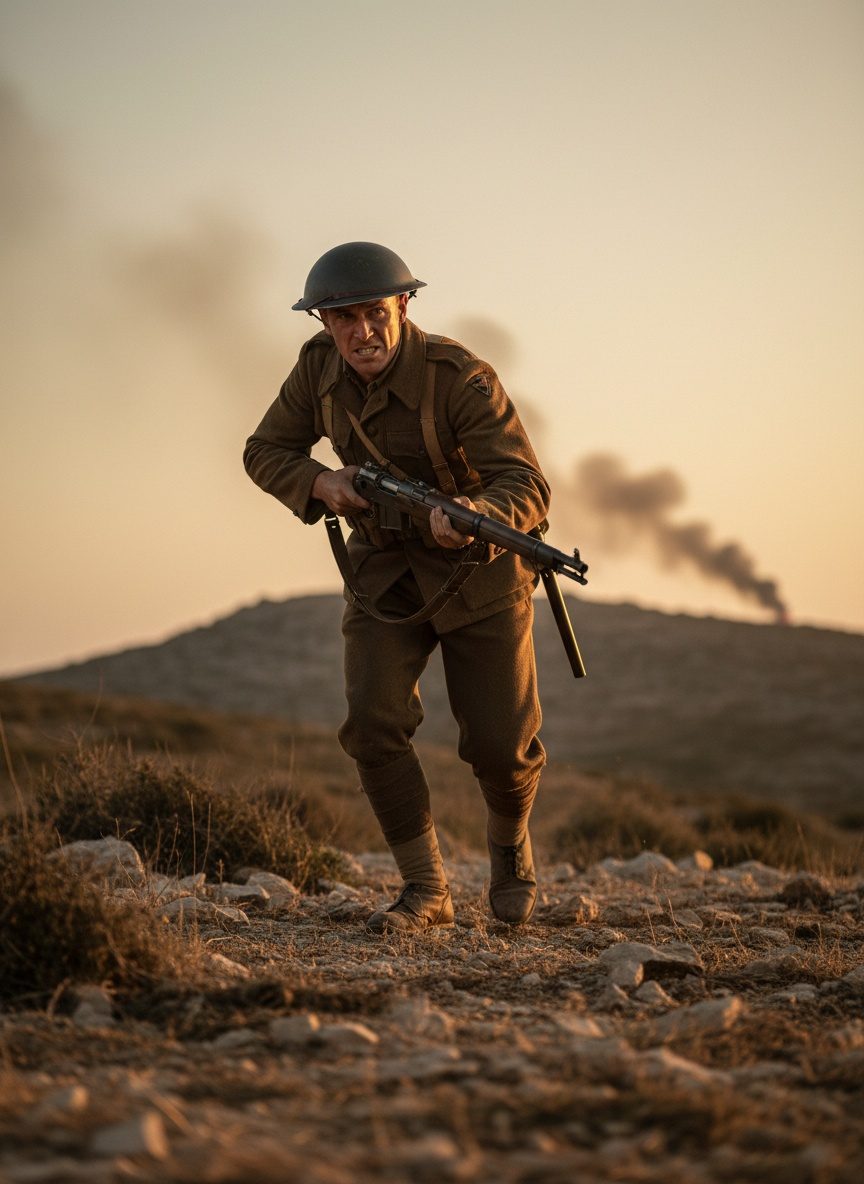
The German Mountain Division was renowned for its tenacity and prowess. As they skillfully maneuvered up the slope, they were met with an astonishing sight. Instead of retreating troops, they saw a lone figure charging directly at them. It was such an unexpected move that it halted the German advance momentarily—a critical pause that disrupted their momentum.
Armed with a bayonet fixed to his rifle, the sergeant's form cut through the ranks like a singular storm cloud against a vast sky. Thunder echoed from his war cry, each step a clash of steel against inevitable doom. The German forces, likely expecting a coordinated defense, were momentarily disoriented by the ferocity of a single man charging their machine-gun position. It was a battle that defied the mechanized, impersonal warfare strategies of the 20th century, hearkening back to hand-to-hand combat of yore.
Out of the Ashes
To the men of the Allied forces, the sergeant's miraculous survival was initially shrouded in disbelief. Accounts of his demise amid the chaos were accepted as a tragic but undeniable consequence of such brazen defiance. Yet, the harsh realities of war often conceal small mercies, and rumors of his survival began to swirl—whispered first among soldiers, then back home.
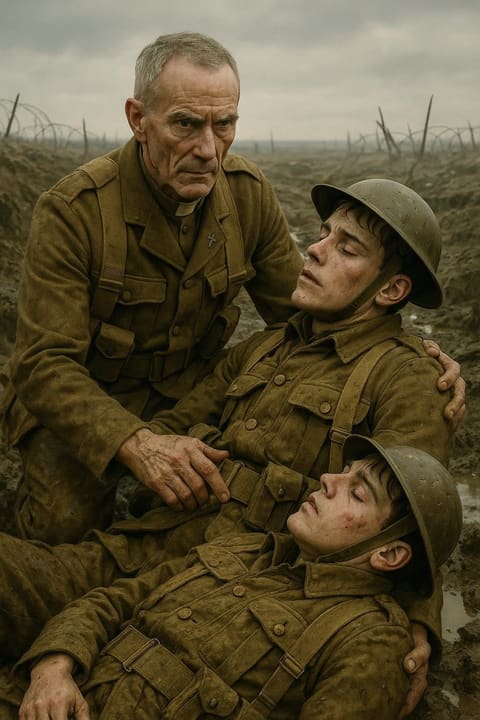
Read next: The Day a Army Chaplain Gave His Coat to a Dying Stranger
The overwhelming odds of surviving such a stand seemed insurmountable. Official lists doomfully inscribed his name among the fallen, yet nature, fate, or sheer willpower had other plans. The tales that eventually emerged, reconstructed from captured soldiers and liberated compatriots, painted a portrait of resilience that seemed almost mythical. His actions had not gone unnoticed by the enemy, who marveled at the audacity that had repulsed their advance, albeit temporarily.
The Echoes of Valor
The sergeant's charge became a moment of symbolic resistance, threading through the tapestry of the beleaguered Cretan front. A testimony to the capability of the human spirit to rise and confront adversity head-on, his actions foreshadowed the struggles that would come to define the wider desert war. Battles are charged with strategic calculations and grand maneuvers, but they are won by the unfathomable courage of individuals who defy orders to retreat and choose instead to face forward.
The story of the ridge, where one man halted a division, becomes a narrative of more than mere tactical maneuvering. It's a stirring reminder that amidst the chaos and enormity of war, the human heart beats with defiance. It transforms the narrative of the Second World War into one of individuals, whose seemingly small actions shifted the morality of battles and whose legacies beckon us to never underestimate the power of one person—undaunted, uncompromising—standing resolute on a ridge. A lesson in courage flourishing defiantly where logic ceases to tread.