September 19, 1944. The morning air was crisp and carried the distant rumble of artillery.
A Leap Into Chaos
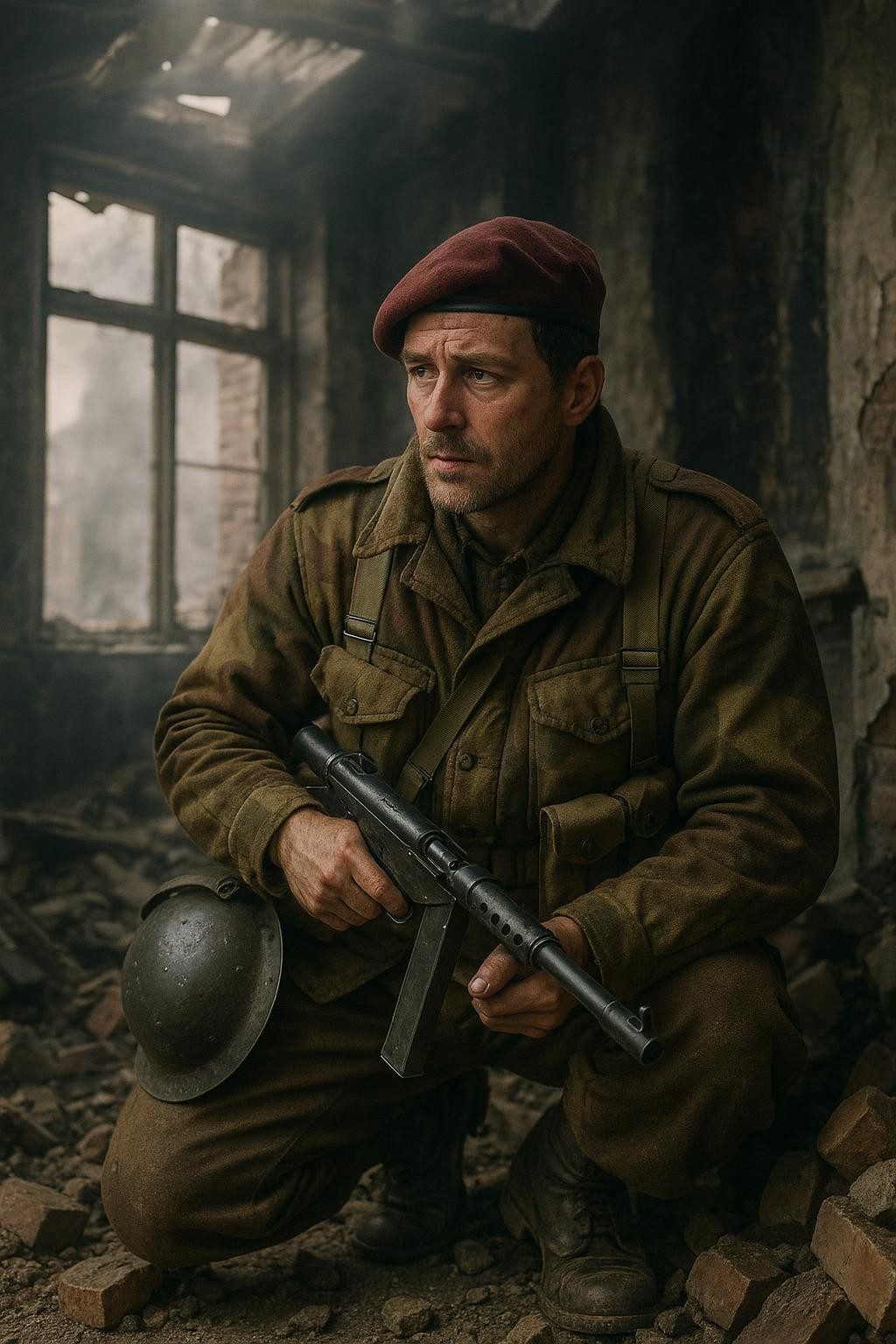
The plan was bold, ambitious, perhaps recklessly so. Known as Operation Market Garden, it aimed to swiftly end the war by capturing key bridges in the Netherlands, paving a path for Allied forces into northern Germany. On September 17, 1944, thousands of paratroopers leaped from the skies, their parachutes blooming like white dandelions against the blue. Among them was a young British paratrooper who would soon find himself alone in the ruins of Arnhem, facing impossible odds.
The Arnhem operation unravelled almost from the start. Miscommunications, equipment failures, and unexpectedly fierce German resistance turned what was meant to be a lightning assault into a desperate scramble for survival. The men were dropped miles from their intended positions, scattered over unfamiliar terrain. As they regrouped and attempted to advance, they encountered an opponent ready and waiting — an entire division of German SS Panzer troops, battle-hardened and well-prepared.
Into the Inferno
Amidst the confusion, our lone paratrooper found himself separated from his unit. The streets of Arnhem were a surreal landscape of smoke and flame, where buildings alternately crumbled and blazed. Throughout the chaos, the German forces surged forward, cutting off larger groups of British troops and pushing them back towards the river — away from reinforcements, away from escape.
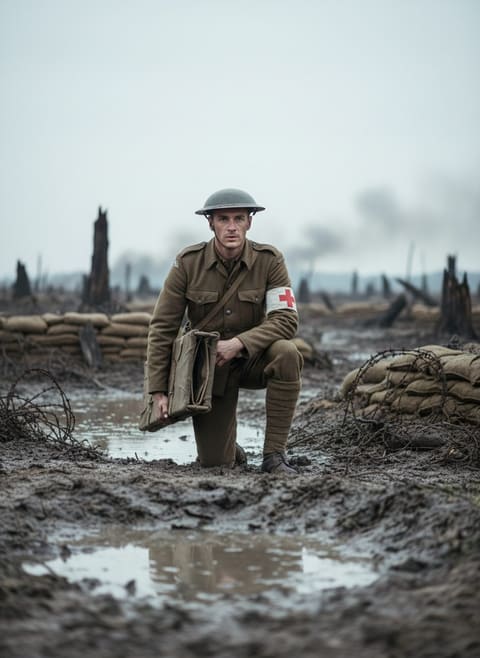
Read next: The Day a British Stretcher-Bearer Refused an Order to Save Lives
Undeterred, this isolated paratrooper dug in at a strategic vantage point, a solitary figure holding fast amid the desolation. His position allowed him to cover a crucial junction against waves of advancing German troops. For four relentless days, he stayed put, a solitary bulwark against the tide. With scant supplies and only his wits to rely upon, he engaged in a deadly game of cat and mouse, emerging from cover to strike at the enemy before melting once more into the shadows.
The Last Stand at Oosterbeek
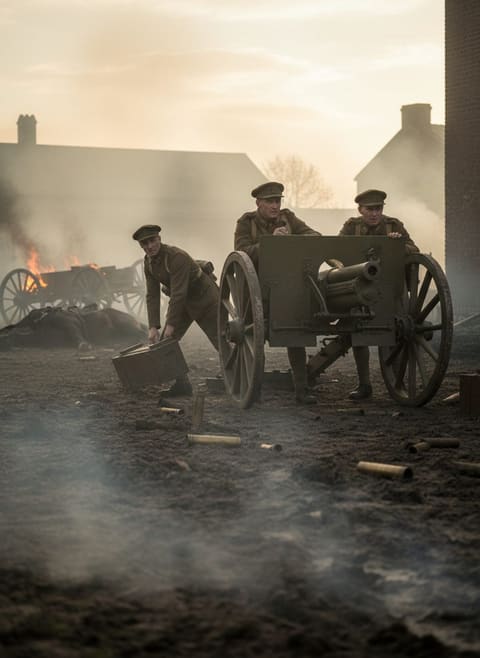
The majority of British forces found themselves retreating to the village of Oosterbeek, about eight minutes by car from Arnhem, to create hastily fortified positions. Known later as the Battle of Oosterbeek, this became the center for a fierce defensive stand. Meanwhile, our lone paratrooper could only watch from his precarious perch as the situation elsewhere grew ever more dire. Communication was sporadic and often misleading. Many within the encircled town believed for some time that British and Polish reinforcements were imminent. But no help came; relief operations were thwarted by terrain, weather, and determined German defenses.
On the ground, despair was abundant, but courage shined in unexpected places. Surrounded, outnumbered, cut off from command, every man became his own strategist, every ordinary soldier a hero in his own personal struggle for survival. The paratrooper’s solo campaign in the ruins captured both the fear and defiance that permeated those fateful days. At night, the distant sounds of dying engines and sporadic gunfire filled the air, underscored by a palpable tension and an invisible, shared resolve.
Resistance and Resilience
How he found the strength to endure is difficult to comprehend. With water and food running low, the situation could not have been more dire. But there is something about solitude that distills clarity from confusion. As each assault came, he steeled himself with memories of home, with the thought of his fellow soldiers similarly bracing for each challenge. With calculated strikes, he made his limited ammunition count, taking every chance to slow the German advance, knowing that each delay was valuable to his beleaguered brothers in arms.
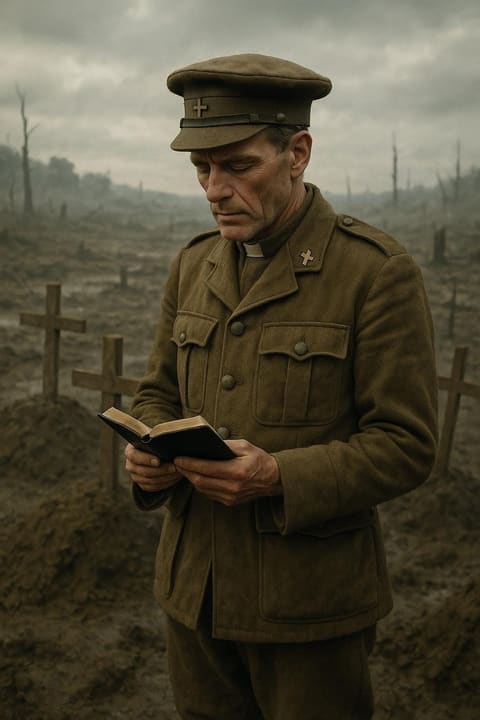
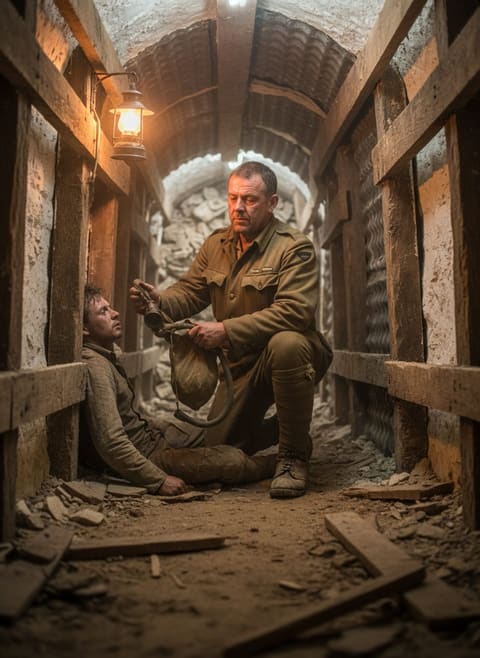
Read next: The Day a Army Chaplain Gave His Coat to a Dying Stranger
His endurance was more than physical. It was a steadfast refusal to surrender hope, a defiance against the inevitable. He patched up wounds with salvaged fabric and defaced uniforms, a silent testament to the adage that necessity is the mother of invention. In between skirmishes, he cleared his mind and planned for the next assault — obstacles seen clearly, not by sight but by instinct and will.
A Fight Remembered
On the fourth day, September 22, worn out and nearing collapse, the paratrooper finally withdrew as the British forces initiated a retreat back across the Rhine River. His solitary holdout was but a small thread in the broader tapestry of Operation Market Garden, yet a thread that exemplified an extraordinary human spirit. In the grand narrative of war, with its sweeping strategies and storied generals, it's easy to overlook the acts of individual fortitude that quietly underpin larger operations.
The story of this lone paratrooper reminds us of the individual bravery overshadowed by the grand tapestry of history. In the wreckage of Arnhem, his valor was not just about combat but resilience — a testament to the strength of a single human’s spirit facing insurmountable odds. In recounting his story, we are reminded that wars are not only won through sweeping movements and strategic victories, but also by the unsung actions of those who, even when isolated and overlooked, stand their ground for something greater than themselves.