June 6, 1944. The air was choked with smoke and the roar of relentless gunfire echoed across Sword Beach. As the morning light penetrated the heavy clouds of war, the Normandy coast became a theatre of chaos and courage.
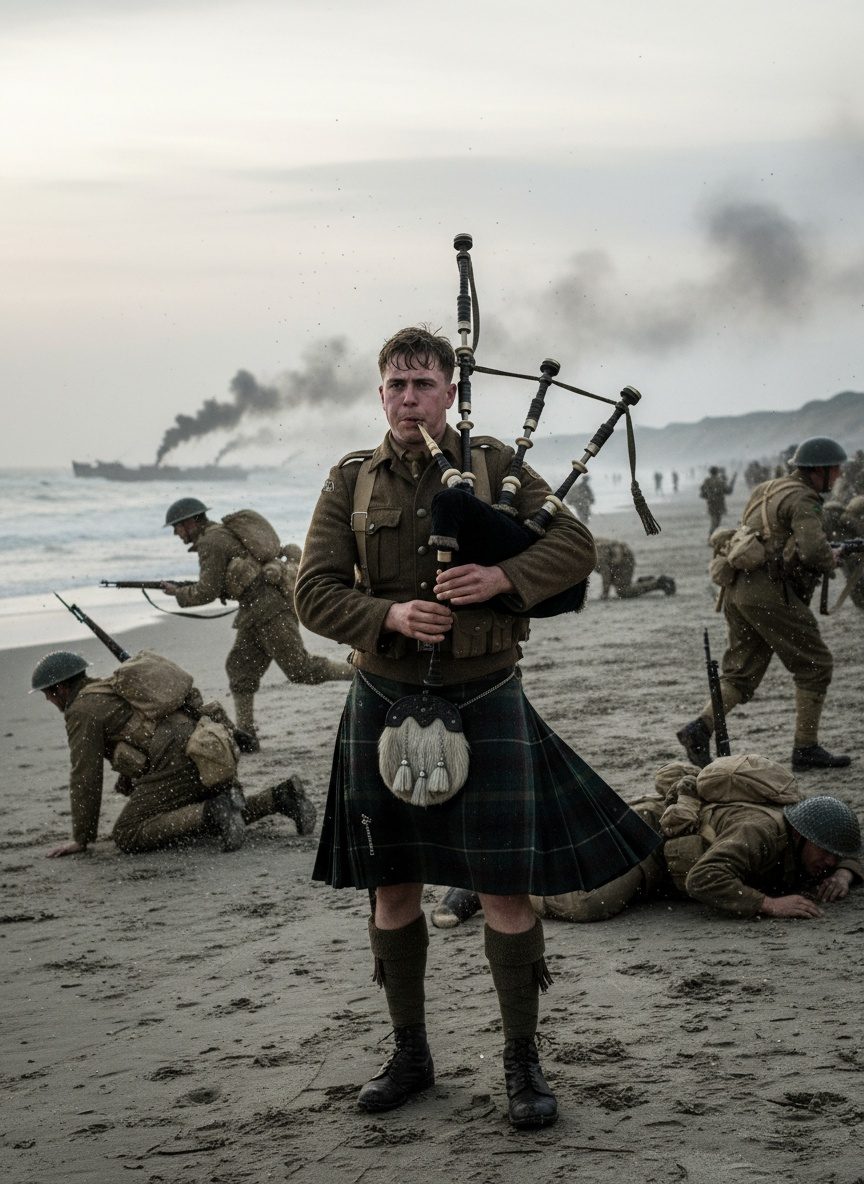
Amidst the din of warfare, where anxious hearts beat in sync with the booming artillery, there emerged a sound as unexpected as it was defiant. It was the mournful yet stirring melody of bagpipes, rising above the clamour like the cry of a lone wolf amidst a raging storm. The source of this courageous cacophony was a twenty-one-year-old Scotsman, who stood as an improbable figure on this battlefield, far from the tartan-clad highlands of home. His name seldom graces the pages of grand military annals, but his act of valour and audacity that day was etched into the legend of D-Day in ways that make textbooks seem hollow by comparison.
The young Scotsman stepped onto the gritty sands of Sword Beach clad in his dead father's kilt, water lapping hungrily at his waist as he disembarked from the landing craft. The scene around him was one of pandemonium—men scrambling for any semblance of cover, the detonation of landmines a grim backdrop to their frantic motions. However, this bold piper, with a gaze as steady as the ocean's horizon, had no thought of personal safety, only the mission he had taken upon himself. With bagpipes cradled in his arms, he walked amidst the gunfire, not once flinching as death courted him from all sides.
It was a sight that defied logic and tested belief. The Scotsman seemed unassailable, his very presence a marvel in contrast to the surrounding frenzy. German snipers, eyes trained with deadly precision, held him in their crosshairs. Ordinarily, a stationary target on such a field of fire would be a brief equation with a definitive end, yet as if moved by a shared accord—perhaps struck by a deep-rooted superstition or merely an appreciation for the sheer surreality of the moment—those eyes that never missed their mark chose to follow another path. To these warriors, hardened by years of conflict, the piper stepping resolutely across the sands appeared a relic of lunacy, an anachronism they could neither comprehend nor engage with. As though guided by unseen hands, they left him untouched.
Read next: The Day a British Stretcher-Bearer Refused an Order to Save Lives
Throughout the day, the young piper marched back and forth, a beacon of unyielding spirit amidst the horrors of war. He played as if invested with the souls of a thousand fallen clansmen, his music rising to challenge the relentless tide of conflict. Soldiers, emboldened by the piper's immortal sound, found new resolve amidst their desperation. His presence was a salve to weary hearts, a reminder of the lands and lives they fought for.
The bagpiper's choice of instrument was not merely cultural ornamentation; it held within it the echoes of history. To any Scot, the skirl of the bagpipes resonates with the tales of past battles and triumphs, as much a call to arms as it is a call to remember. On Sword Beach, this tradition transformed from mere heritage into a living testament. Those notes carried the defiance of Stirling Bridge, the resilience of Bannockburn, encapsulating a legacy of tenacity that spanned centuries. Here, on this pivotal day of the Second World War, they offered an auditory tapestry that defied the stark black and white reels of conventional warfare.
Through smoke and flame, the piper walked untouched, his music gliding above the surf, as if comforted by the whispers of old friends, by the ghosts of ancient warriors who resided within the notes. In those moments, he was but a man defying the odds, but more than that, a symbol, an embodiment of courage that transcended the mortal realm.
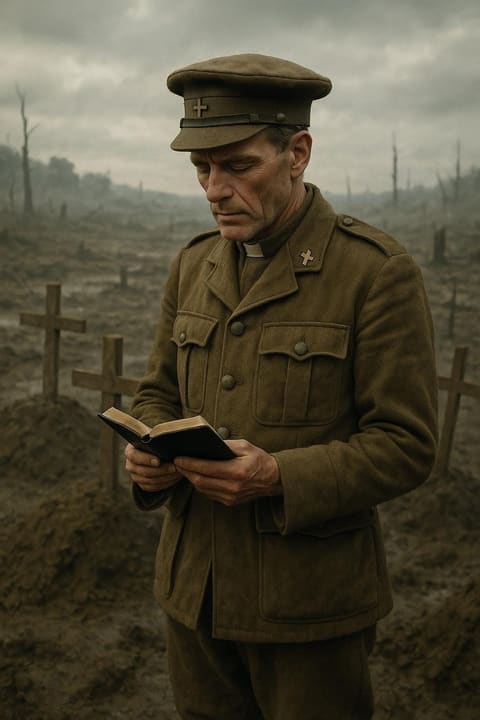
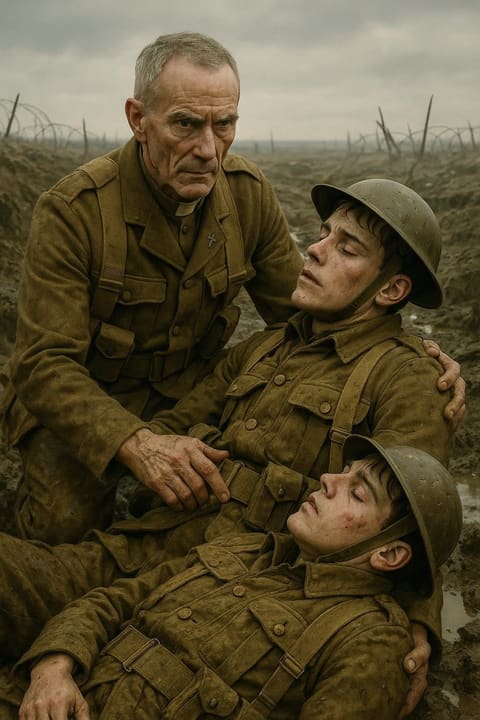
Read next: The Day a Army Chaplain Gave His Coat to a Dying Stranger
When recounting D-Day, many recall the strategy, the tanks, the unsung heroes who breached the Atlantic Wall. Yet, the story of this Scotsman and his bagpipes shares a unique place in that tableau—a narrative that underscores the unquantifiable power of human spirit set against adversity. In a theatre dominated by mechanized warfare, where humanity often fades beneath the weight of steel and fire, his simple act of playing a tune was a blazing testament to the power of the individual amidst the collective chaos of history.
As the sun began its descent on that fateful day, the battle was far from over, but in the heart of every surviving soldier, the melody of the lone piper had left its mark. Though no textbooks may bear his name, his legend endured in the hearts and tales that followed—an eternal piper who stood firm and played his way through fire, reflecting the unyielded spirit of those who fight not just with weapons, but with heart.
In contemplating the aftermath of that unforgettable moment on Sword Beach, we are reminded of the complex tapestry of human conflict. Heroes are often forged in the fires of war, not through might but through simple, steadfast acts that inspire beyond the scope of the battleground. The Scotsman's story whispers to us through the annals of time, evoking a powerful reflection on courage—a song to which we must all choose, at some point, to march.