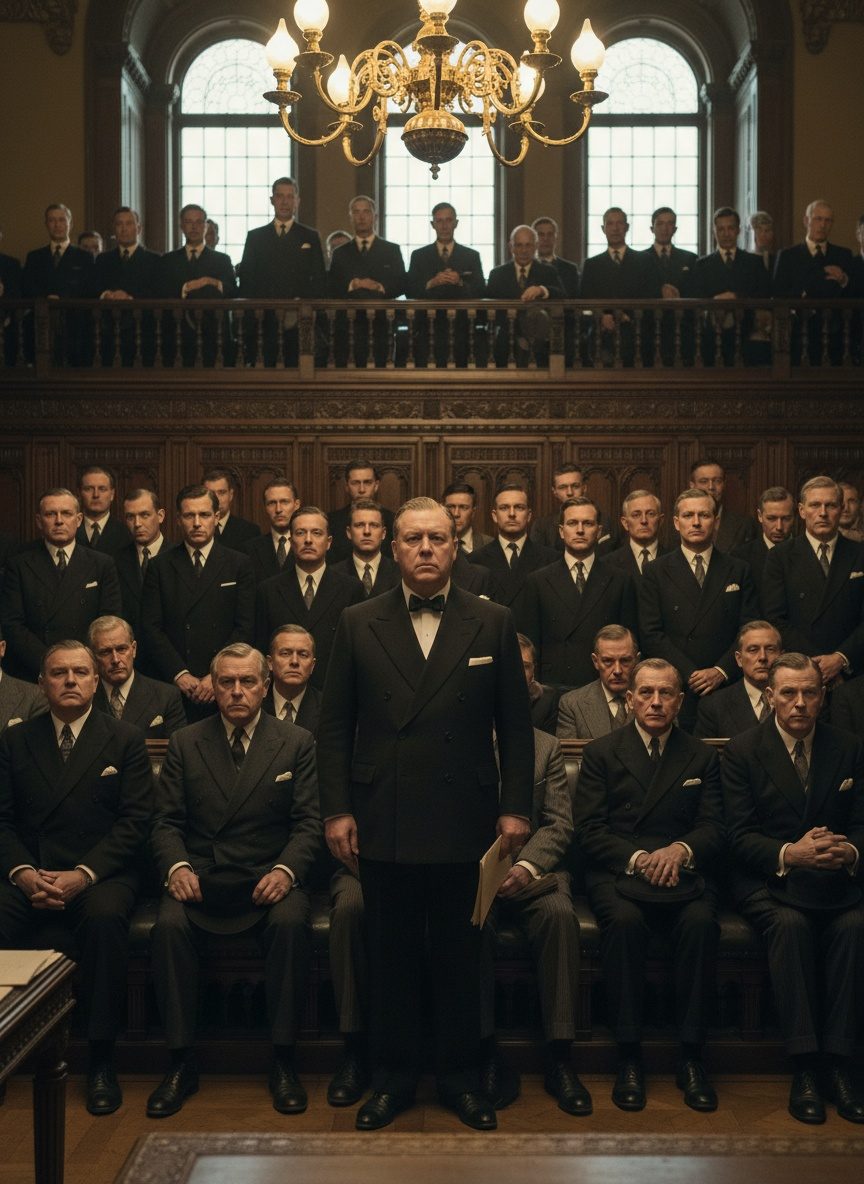
The room was stifling with an anticipation that felt almost tangible, like the charged air before a summer storm. Sirens had only recently fallen silent, but the threat of imminent destruction hung like a dark spectre over the assembled Members of Parliament. As Winston Churchill entered the House of Commons, the eyes of everyone present turned toward him, seeking a flicker of hope amidst the shadows of defeat. It was June 4, 1940, and across the Channel, nearly 338,000 British and Allied troops had just been plucked from the beaches of Dunkirk — by every standard a retreat, their abandoned weapons a grievous reminder of vulnerability, and yet, a miracle of survival against the odds.
Churchill, new to his role as Prime Minister, stood to deliver a speech not of triumph, but of crisis. The operation was over, and the reality was stark. The soldiers had been saved, but the means to continue the fight seemed desperately out of reach. The rustle of papers was the only sound as he prepared to spin disaster into determination. His voice, gravelly yet resolute, filled the chamber. Few listening then could have guessed that these words, borne of desperation and strategy, would become emblematic of defiance itself: "We shall fight on the beaches… we shall fight on the landing grounds…”
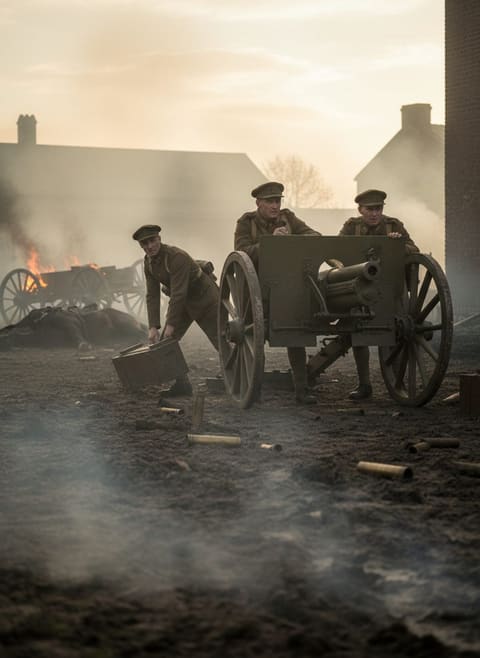
The truth was as stark as the steel-grey water of the English Channel: Britain stood virtually alone. Europe had largely fallen, and the purgatorial calm following Dunkirk was bile with fear. The logistical reality was that the British Expeditionary Force had left behind vast amounts of equipment — some 475 tanks, nearly 700 artillery pieces, and countless rifles lay scattered, lost in the urgency of evacuation. Weaponless, save in spirit, the home island quivered under the magnifying lens of Hitler's ambitions.
But Churchill's genius lay not just in oratorical flair but in the strategic brilliance of his psychological warfare. His speeches were aimed not only at those gathered in the chamber but at a global audience and, crucially, at Hitler himself. Churchill's words were, as intended, a catalyst—a rallying cry for resilience and resistance. And in that chamber, with its wooden seats and green benches soaked in history, one could almost hear the collective breath held as his voice unfurled over the room like a tapestry of unyielding resolve.
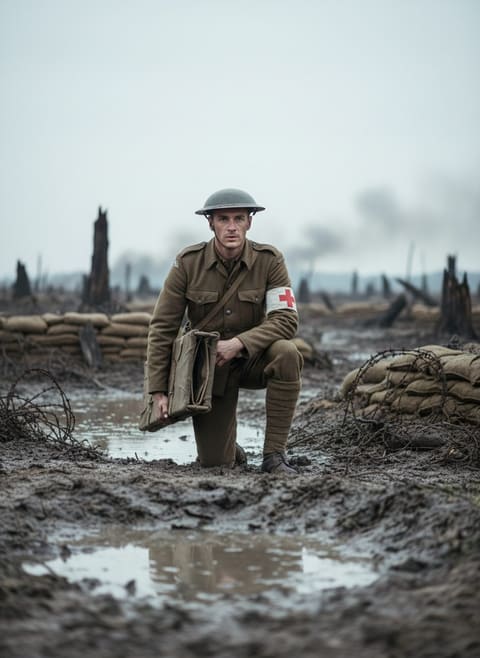
Read next: The Day a British Stretcher-Bearer Refused an Order to Save Lives
Outside the confines of Westminster, few heard the original delivery. This was an age before instant broadcasts. Radio would later magnify his words, their reverberations steadying a nation on trembling knees. Those in the room that day, perhaps unaware of their historic privilege, were entrusted with the first echoes of words that would define Britain's wartime posture. This was more than eloquence; it was an act of creation—a moral fortress of words built to stand where steel and firepower could not yet defend.
For many, this speech seemed defiant, even reckless, given the parlous state of Britain's defenses. The strength of Churchill’s proclamation was that it was almost audacious in its certainty, an almost unfounded bravado amidst crumbling defenses. Yet, this was the genius of Churchill: to balance on the precipice of despair without falling in. By conjuring the myth of British indomitability, Churchill reshaped the landscape of wartime psychology. Where there were whispers of defeat, he sculpted a narrative of determination, each intonation a brushstroke in his masterpiece.
Across the English Channel in occupied France, the Luftwaffe strengthened its chokehold, and the Wehrmacht’s conquest seemed inexorable. Britain was next on the list, and all eyes were on this small island seemingly writ large by destiny’s hand. What Churchill provided was a bridge—one built of rhetoric and resolve, spanning the chasm of doubt and connecting the flickering flame of hope with the burning necessity of survival. Those gathered in the chamber didn’t just hear his words; they felt them, rippling through the fabric of their resolve and stiffening their spine for the grim undertaking that lay ahead.
Although Churchill’s voice may not have been recorded as often as his speeches are remembered, it is said that his prose did the same work as the best of symphonies, harmonizing a nation to stand as one, defiantly unbroken. In the art of leadership, as in theater, sometimes the curtain rises on expectations already molded. Delivering in the dark, those first to hear knew they must echo forth; the words were to be more than heard, they were to be lived.
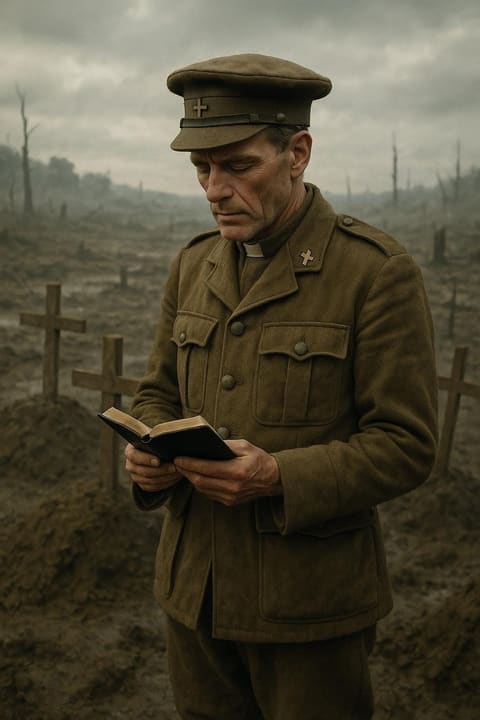
Read next: The Day a Army Chaplain Gave His Coat to a Dying Stranger
In many ways, Churchill’s speech on June 4, 1940, was not simply about articulating policy or predicting outcomes. It was an invocation—a necessary summoning of the very essence of Britishness at its most noble and its most irrepressible. It was about positioning morale as a bulwark against a superior force and preparing a nation for the grueling, protracted battle ahead. Churchill and his audience understood that words alone could not win wars, but they could solidify a nation’s backbone when the tides of destiny flowed unrelenting against them.
History books may rightly praise the strategy at Dunkirk, but it is the words spoken in its wake that often leave the deepest impression. The House of Commons witnessed a singular blend of desperation and hope as Churchill transformed a retreat into a launching point for future victories. He knew that more than land, more than weapons, it was the spirit of resolve that needed to be kindled. And in that dark hour, amidst the gathering gloom of Europe’s decline, a light did shine—cobbled together not from acts of aggression, but from the heart of human tenacity.
As history unfurls like an unending tapestry, each event is woven with threads of influence, consequence, and, sometimes, a simple, potent word. The speech that was spoken in the dim recesses of crisis now echoes timelessly across generations. For it taught not merely of political acumen but revealed a more profound courage, a determined resilience that stands as the measure of a people whose island had become a beacon for the free. And still, today, wherever resolve meets adversity, those words rally anew, imbuing crises and making of them a challenge to be embraced—a torch passed in a timeless relay against formidable odds.