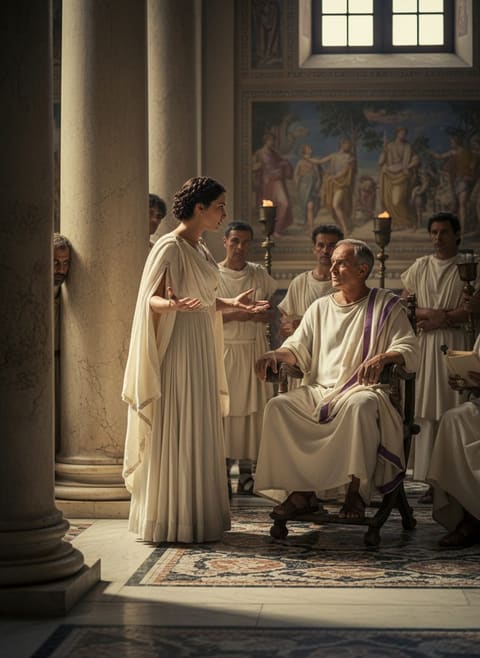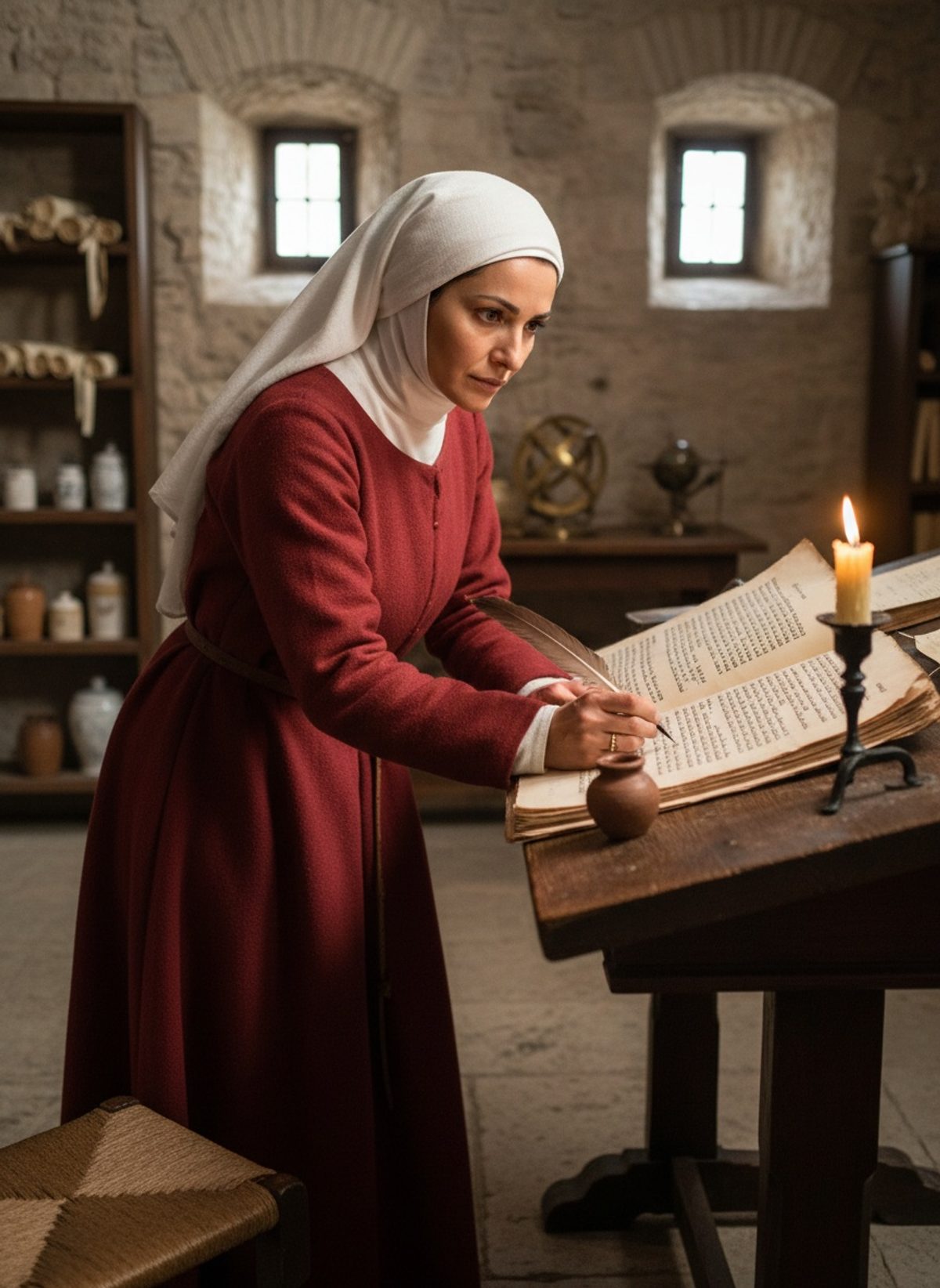
She lived in the eleventh century, and her words reverberated through European medical halls. For centuries, her name was erased from history as people refused to believe a woman could be a scholar in medicine.
The Woman Behind the Texts
In the bustling port town of Salerno, Italy, during the eleventh century, there emerged a remarkable scholar: Trota, later referred to as Trotula. Salerno, known for its thriving intellectual climate and access to various cultures and knowledge, was fertile ground for what Trota would accomplish. Though often shod in mystery, she belonged to an elite community of medical practitioners who paved the way for the study of medicine in Europe, yet her contributions were keenly focused on a neglected aspect: women's health.
In an age when women's roles were often confined to domestic spheres, Trota's presence in the medical community was an anomaly. Her medical repertoire included three groundbreaking texts collectively known as The Trotula: Conditions of Women, Treatments for Women, and Women's Cosmetics. Together, they formed a cornerstone of medieval gynecological and obstetrical knowledge, later becoming essential reading in the medical universities across Europe well into the Renaissance era.
Mastery of Medicine and Mystery of Authorship
The High Middle Ages lacked the formalized school systems we recognize today. Instead, education was often dispensed among networks of scholars, apprentices, and masters in informal settings. This was how Salerno stood apart as a beacon of learning, especially in medicine as it absorbed richer, speculative traditions from the Arabic world and integrated them into Western practices.
Read next: Su Song Built a Clock That Mapped the Sky Automatically
The medical texts attributed to Trota were well ahead of their time. The Conditions of Women in particular broke new ground with its descriptions of menstruation and its crucial role in female health, likening menstrual blood to a flower that predates the fruit—the child. These insights were largely based on Galenic theories infused with innovations from the burgeoning Arabic medical traditions.
Yet, despite her evident expertise and influence, the very notion of a woman possessing such authority sparked challenges to her realness as the author. During medieval times when gender norms imposed strict boundaries, it seemed inconceivable to many scholars that a woman had authored such prominent texts. This disbelief led to deliberate attempts to strip Trota of her identity, reassigning authorship to male figures and casting a shadow over her legacy.
The Words That Crossed Borders
By the late twelfth century, The Trotula compilation had begun its extensive journey across Europe, reaching as far as Spain and Poland, Sicily and Ireland. It was translated into several medieval vernacular languages beyond its initial Latin, enabling easier access to its groundbreaking insights.
As the centuries unfolded, The Trotula achieved widespread popularity, especially in the fourteenth century, with over 130 Latin manuscripts and at least 60 more translations recorded. In an era when the written word was painstakingly reproduced by hand, these figures represent a staggering reach and influence. Universities, physicians, and midwives turned to Trota’s wisdom amidst their challenges in treating women’s ailments.
The widespread adoption of her texts underscores the severity of the gap in knowledge concerning women's health needs in medieval Europe. While her ideas spurred debates, they also laid the groundwork for future expansions in medical understanding, blending traditional herbal remedies with more speculative philosophical stances on health.
Lost in Translation: Erased Identity
The most enduring tale wrapped around Trota is not just of pioneering work but of an identity stripped away. For centuries, her name was passed down as "Trotula," distorting the association with the true female scholar behind the texts. Indeed, even as these texts became indispensable in medical education, many scribes changed the name attributed to her work, favoring male pseudonyms or referring to "Trotula" itself as an artificial construct rather than acknowledging a woman's authorship.
Read next: Cai Lun Pressed Bark and Rags Into the First True Paper
This erasure of identity persisted until modern historical inquiries painstakingly pieced together the fragments of her life and authenticity of her work. It wasn’t until later scholarly research in the 20th and 21st centuries on manuscripts and historical accounts that Trota of Salerno was given her due recognition and rightful place in the history of medicine.
Reclaiming a Revolutionary Voice
The story of Trotula exemplifies the struggles women have faced, even in arenas where they indisputably excelled. Trota's works, once submerged under layers of skepticism and outright denial, have since been uncovered and celebrated for their immense contribution to medical history. Her work became a beacon for women's health and a testament to the need for diverse voices in any field.
Understanding why Trota was cloaked under male identities leads to a broader contemplation of how gender roles shaped the scope of academic recognition. In medieval society, women were regarded as passive subjects in medicine rather than active contributors or experts. And yet, Trota not only participated in this male-dominated sphere—she left an indelible mark that is only now being appreciated in full.
The ultimate honouring of Trotula’s legacy isn't just in restoring her name to history but in inspiring renewed acknowledgment of the vital contributions women make to science and medicine. It's a call to ensure no other voices are drowned out simply because their brilliance seemed unexpected.