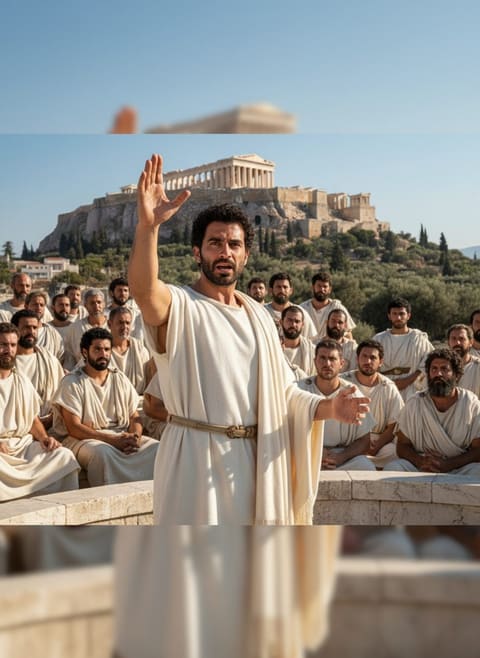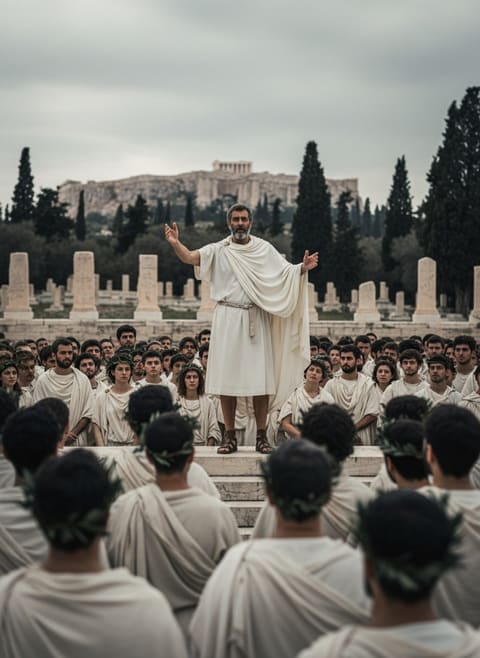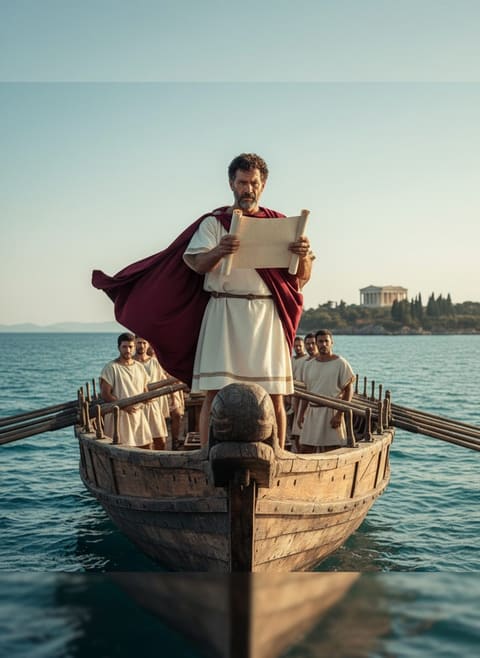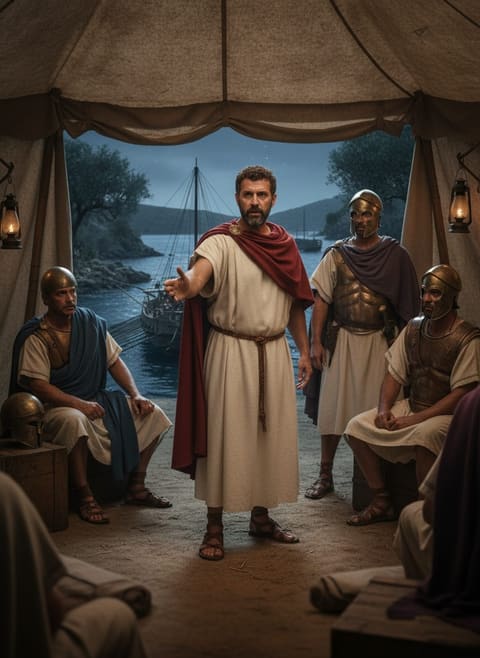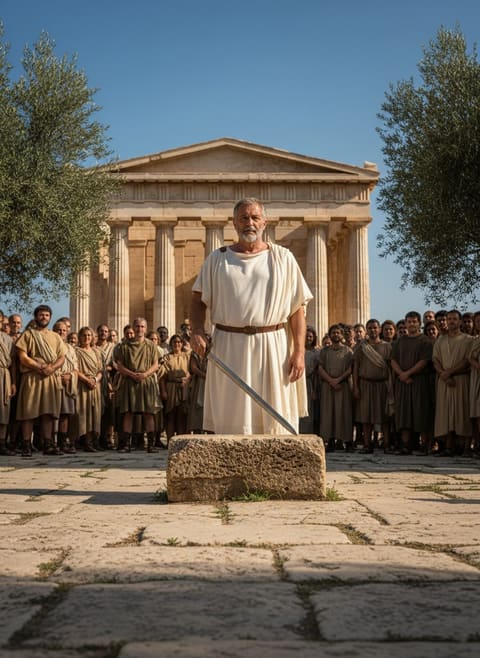
The sun bore down mercilessly, casting scant shadows upon the dry and dusty road as Pheidippides bounded over the rough terrain of ancient Greece. Each footfall sent clouds of ochre dust swirling into the unyielding summer air. The rhythmic slap of his sandals was a sound caught between determination and desperation. He was racing against time, against the limits of human endurance, and against a potential disaster that loomed as the ships of Persia approached the shores of Marathon.
The Unlikely Messenger
Pheidippides was no ordinary Athenian. Known as a hemerodrome, he was a professional runner trained to deliver messages over great distances — a human embodiment of urgency and courage. In a world before telegraphs and phones, hemerodromes were the lifeline of communication in ancient Greece. Little did Pheidippides know that his upcoming journey to Sparta, spanning an arduous 150 miles, would etch his name into the annals of history.
When news reached Athens that the Persian forces had landed at Marathon, the city was instantly consumed by the enormity of the threat. The Persian army, numbering 25,000 strong, aimed to crush the emerging democracy of Athens and enforce its own empire’s might. Desperate for assistance, the Athenian generals turned to their last, best hope: requesting aid from Sparta, Greece's famed warrior polis.
The choice of Pheidippides as their emissary was both strategic and poignant. His reputation as a runner was legendary, and his journey to Sparta would demand more than mere physical prowess; it would require unyielding spirit and unwavering resolve.
Read next: Eumenes Had No Army Left. He Fought Anyway.
The Gods Make Their Presence Known
Midway through his epic run, Pheidippides encountered the mystical as history and mythology entwined in a moment of divine intervention. As he ascended Mount Parthenium, a mere mortal tethered to the whims of the gods, he is said to have met Pan, the wild god of the countryside. Pan, in his rustic forthrightness, asked Pheidippides why the Athenians had neglected to honor him despite the benevolence he had shown them.
This encounter must have felt surreal to Pheidippides, caught between the arduous reality of his mission and the ethereal realm of myth. The message from Pan, however, was vital enough for the Athenians to later build him a shrine under the Acropolis, a testament to their profound belief in the divine influence of their affairs.
The Spartan Hardship
Sparta, distant by 150 miles of punishing terrain, offered little solace save the slim hope of assistance. The journey took Pheidippides two days, a testament to his tenacity and resilience. When he finally stood weary but resolute in front of the Spartan leaders, he delivered his urgent plea. The response was both diplomatic and disappointing. Owing to religious observances, a festival honoring Apollo, the Spartans could not march to war until the next full moon.
For Athens, time was the cruellest adversary, and Pheidippides returned with the weight of unfulfilled hopes and a critical decision looming — to face the Persian horde without Spartan aid. Yet the Athenians would not be daunted. They gathered their forces, determined to protect their nascent democracy even in solitude.
Athens at the Brink
Though exhausted, Pheidippides fought at the Battle of Marathon, just as the Athenian army met the Persian forces. The Persians, confident in their numerical superiority, were repelled with surprising ferocity. Athens, against all odds, emerged victorious. On that day, the fierce resolve of a free city conquered the fearsome might of an empire.
Read next: Leonidas Was Gone. One Man Walked Into the Fire.
Yet the story of Pheidippides did not end in triumph. As history would later recount, he ran once more, from Marathon to Athens, to bear news of victory. Unlike his legendary run to Sparta, this sprint was not about pleading for aid but was a herald of hope. Tragically, upon arrival, he is said to have delivered his message with a singular word of victory, "Νενικήκαμεν!" — "We have won!" — before collapsing in exhaustion and dying.
The Legacy of Endurance and Valor
In the surviving echoes of Pheidippides' journeys, we find a narrative that transcends the mere lore of the marathon race, encapsulating a pivotal moment in history where the resolve of a single individual stood as a beacon for an entire civilization. His feats elevated running from utility to symbol, inspiring not just athletic feats but also cultural legends.
Today, his runs are celebrated annually through events such as the Spartathlon, a grueling ultramarathon that seeks to emulate his historic Athens-to-Sparta trek. And while the story of the marathon race itself may blur with embellishments over centuries, the essence of Pheidippides' mission persists.
The spirit of Pheidippides reminds us of the power of human endurance and the difference one can make at the crossroads of history. His legacy endures beyond miles and myths — it is a testimony to the human capacity for endurance, courage, and the unyielding drive to defend what we hold dear.