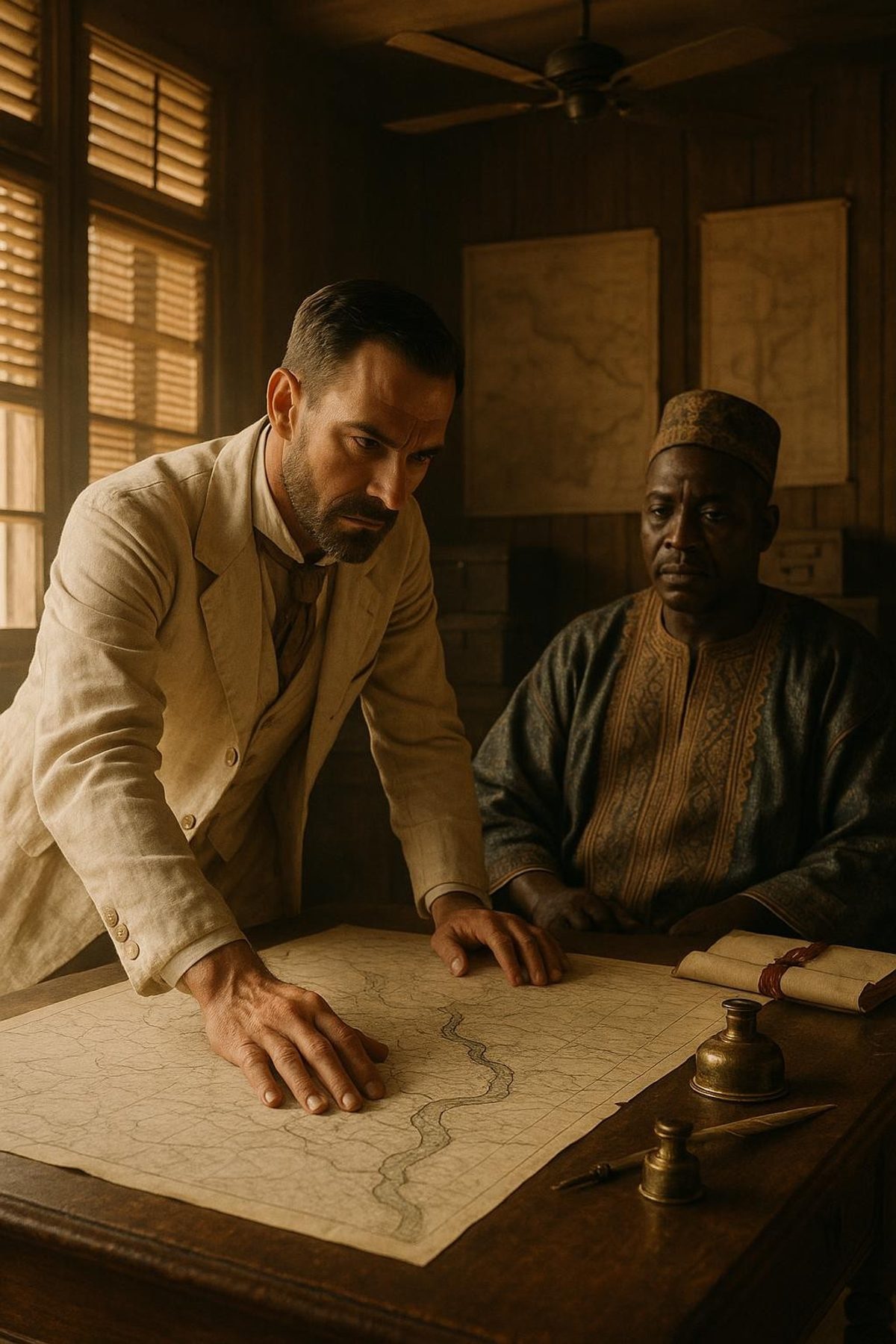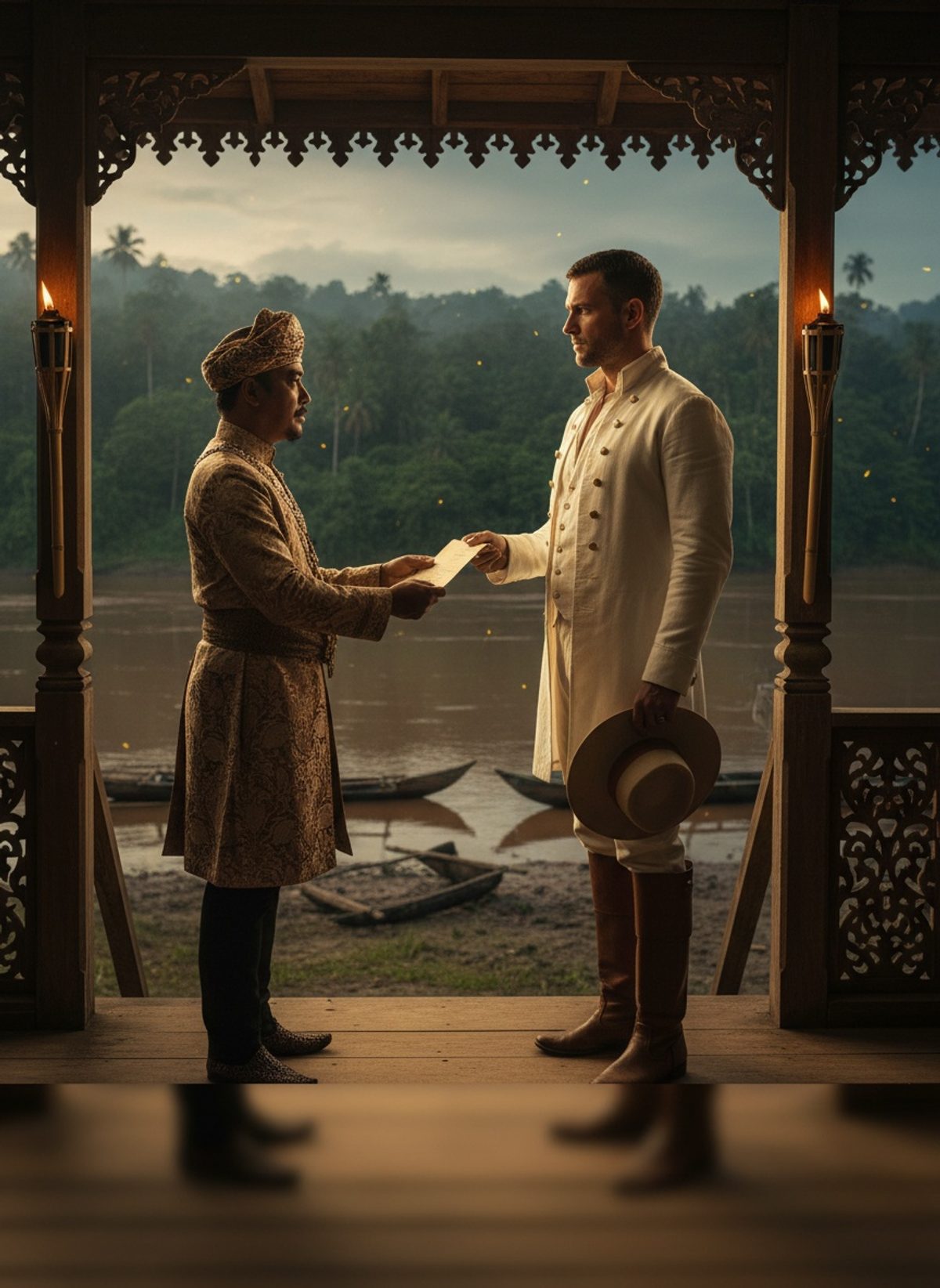
The sound of his boots echoed through the grand halls of Tipu Sultan's opulent residence, a stark reminder of the silence that had replaced the clamor of battle. Arthur Wellesley, at the time just a junior colonel in the eyes of the world, entered the palace at Seringapatam, his senses acutely aware of the remnants of a fallen empire around him. The air was still thick with the acrid scent of gunpowder, and the opulence of Tipu's court seemed a strange juxtaposition against the brutal reality outside. Wellesley’s task was daunting, but the young officer had a clarity of purpose that belied his then-modest rank.
Against the Backdrop of Power
The capture of Seringapatam in May 1799 marked the end of the Fourth Anglo-Mysore War, a conflict driven by British desire for dominance in India, countered by Tipu Sultan’s fierce resistance. Tipu, known as the "Tiger of Mysore," had for years challenged British authority with a ferocity that earned him both fear and respect. His palace was a symbol of his power; ornate walls adorned with intricate patterns reflected his wealth and cultural sophistication.
In the aftermath of victory, chaos reigned. The British were eager to secure their prize, yet lacked a clear leader to establish order. More experienced officers, with reputations forged over decades, hesitated or disputed amongst themselves, each one eyeing the potential spoils. Amidst this turmoil, it was Arthur Wellesley who was unexpectedly appointed to govern the city, a decision made almost as an afterthought.
Wellesley was not the obvious choice. His reserved demeanor and lack of widespread recognition did little to bolster confidence among those expecting a seasoned commander. However, history would soon reveal that his seeming obscurity masked a sharp strategic mind and an exceptional ability to command respect and enforce discipline.
Read next: When John Hanning Speke Walked Into Mutesa's Court, 1862
Transforming a City
Upon taking command, Wellesley faced immediate challenges. The city was in disarray, its defense dismantled, its streets littered with the vestiges of battle. Both soldiers and civilians were on edge, prone to unrest. Within days, Wellesley managed a remarkable transformation. Where others saw only chaos, he instituted a framework that restored order with an efficiency that surprised even the most cynical observers.
He began by securing the city's boundaries, understanding that a stable foundation was crucial to maintaining control. His strategic prowess, perhaps foreshadowing his future military successes, was evident as he organized the remaining garrison and set about winning the trust of the local population. Wellesley imposed a strict code of conduct, punishing any looting or abuse, actions that endeared him to the Mysoreans who were wary of foreign conquerors.
This was not only an act of governance but an insight into the character of a man who would one day shape the course of history on far grander scales. Wellesley's diplomatic approach ensured that even those who saw him as an interloper could not deny his effectiveness and fairness.
The Unassuming Leader
Arthur Wellesley’s rise to prominence seemed almost preordained yet wholly unexpected. Born into the Anglo-Irish aristocracy, he was far from nobility's most eminent scion. This relatively obscure birth did not dampen his ambition or ability to learn from every challenge encountered. In Seringapatam, this propensity was palpable. He took note of his surroundings and the lessons they offered — how local governance could be balanced with British expectations, how conflict could be reduced through understanding rather than intimidation.
What those around him failed to initially grasp was that his leadership at Seringapatam was more than just the act of restoring order; it was an essential training ground for developing the skills and resolve that would later serve him as the Duke of Wellington. This was the birthplace of a military mind that would eventually rival any in European history. Wellesley’s time in India taught him the importance of integrating shrewd diplomacy with disciplined military strategy, lessons that the toast of European courts would speak of in hushed whispers a decade later.
The Unwritten Legend
In the years following the fall of Seringapatam, Wellesley's victories continued to cement his legacy. Yet, in those early days in India, few truly understood the caliber of the individual who roamed the halls of the Sultan's palace. The ability to stabilize and administrate under great pressure became hallmarks of his career. Seringapatam proved the testing ground for a leader who would later command armies in battles that shaped empires and histories beyond their time.
Wellesley’s experience at Seringapatam holds a crucial but lesser-known window into his character and capabilities. It is a testament to the idea that legends aren't born overnight; they are often forged in the crucible of unexpected challenges. As a junior colonel in a fallen palace, Wellesley learned to wield authority with a tactfulness that eluded many of his contemporaries.
This story matters because it speaks to the potential for greatness that can exist even when largely unrecognized. It illustrates how subtle yet profound lessons, learned in the unlikeliest of circumstances, can prepare someone for the grand roles they are to assume later. Before he was the Duke of Wellington, Arthur Wellesley was the nobody who entered Tipu’s palace, yet quickly proved to be anything but. In observing the ruins of a sultanate, Wellesley did more than just govern — he laid the groundwork for his own enduring legacy.