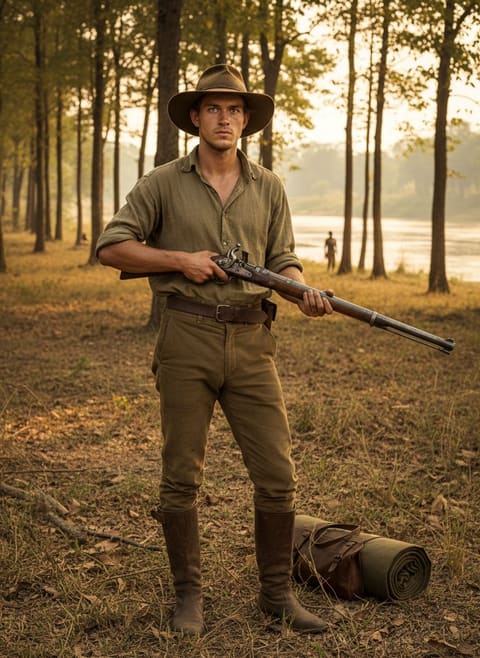
Ernest Shackleton was surprisingly short. Standing at just 5 foot 8 inches, his stature belied the giant spirit within, a spirit that would see him defy unimaginable odds on the icy frontier of South Georgia.
The Lifeboat Gamble
The trek through South Georgia was the final gamble in a series of desperate maneuvers by Shackleton and his men. Before they attempted to cross the island’s uncharted mountains, they first had to reach the island itself. It all began with a perilous ocean voyage in a 20-foot lifeboat, aptly named the James Caird, navigating through the tumultuous Southern Ocean. Ernest Shackleton, along with Frank Worsley and Tom Crean, set out on an audacious plan to sail the 800 miles from Elephant Island to South Georgia.
Braving waves that loomed like watery mountains and temperatures that numbed to the core, the trio battled nature's fury. Frank Worsley, the expedition's captain, demonstrated remarkable navigational prowess amid the ocean's wrath, steering a course across one of the most inhospitable stretches of sea on the planet. The isolation of their lifeboat, dwarfed by the magnitude of the ocean, underscored the stakes of this deadly venture.
Uncharted Paths: The Last Crossing
Victory over the sea was just the prelude to another struggle. Their lifeboat, having narrowly avoided destruction, made landfall at South Georgia’s inhospitable southern coast. The real challenge lay ahead: crossing the island on foot to reach the whaling station at Stromness on the opposite side. The problem? No one had ever crossed this rugged, frozen expanse before.
Read next: He Mapped the Ocean Floor and No One Listened, 1872
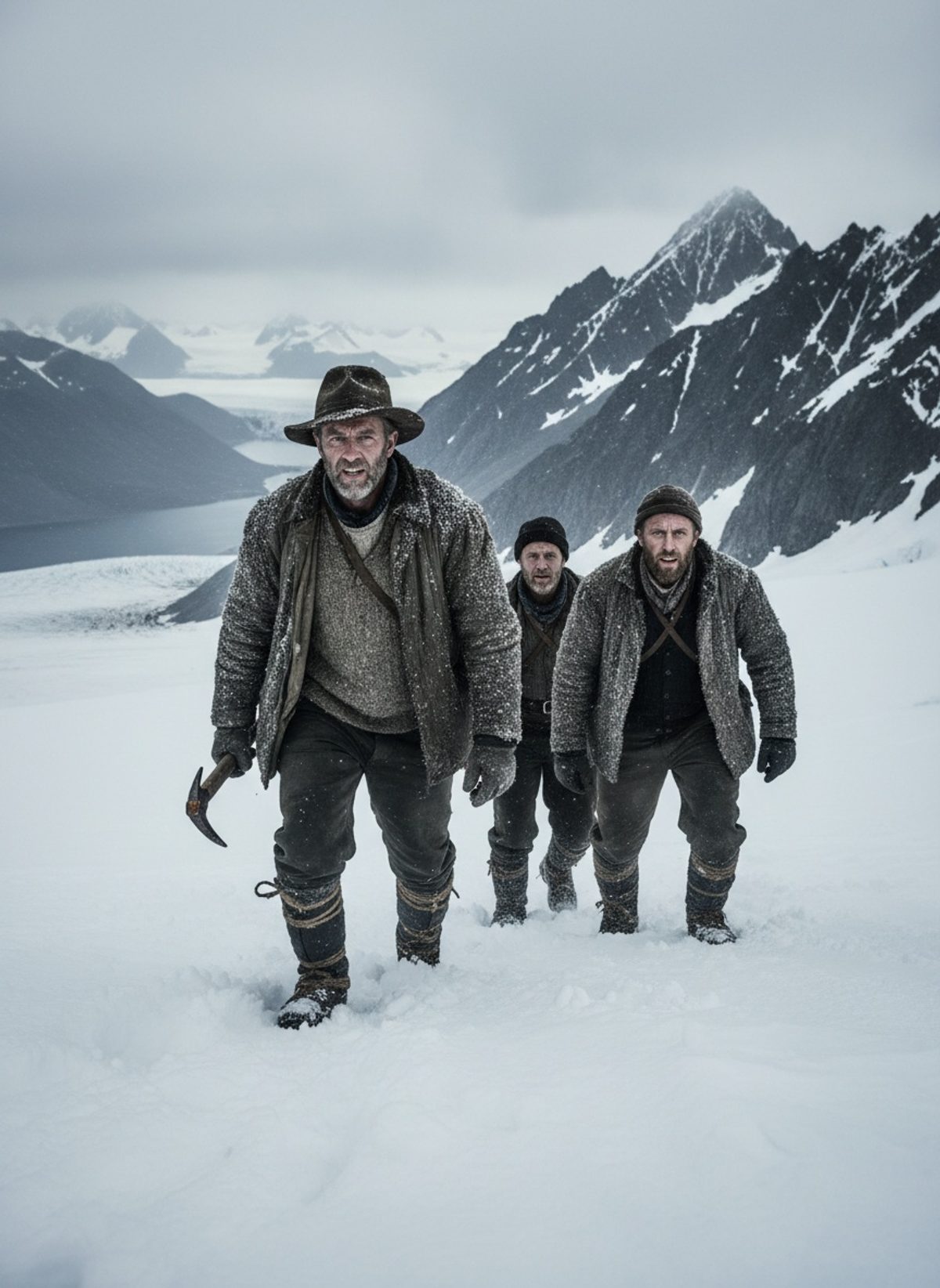
With nothing but a carpenter's adze and a length of rope to aid them, Shackleton, Worsley, and Crean faced an island scaped with jagged peaks and deep, unpredictable snow drifts. As they climbed higher, the brutal reality of their task emerged. They battled fatigue and frostbite, driven by a singular goal—to find help and save their stranded crew on Elephant Island. The hours bled into one another as the determined trio fought against exhaustion and the creeping despair that taunts those on the edge of survival.
Ghosts at the Door
After 36 relentless hours, Shackleton, Worsley, and Crean arrived, gaunt yet resolute, at the doors of the Stromness whaling station. The sight of these three weathered figures was beyond belief to those within. They resembled specters more than men, having been long presumed lost to the icy grip of the Antarctic.
The station manager, Thoralf Sørlle, stared in disbelief. The sight of Shackleton, whose name had become synonymous with Antarctic ventures, was otherworldly. They were skeletal remnants of endurance's extreme, faces carved by exposure and eyes hollowed by the incessant demand to survive.
A Race Against Time
The harrowing journey, though successful, was just one piece of the larger puzzle. Shackleton could not rest; he was only halfway through his mission. With the radio and rescue facilities at Stromness, Shackleton immediately organized for the rescue of the men left behind on Elephant Island. Every second counted, as each delay could mean the erasure of any hopes for his crew’s survival.
Read next: When William Speirs Bruce Planted a Flag on No Man's Ice
After several thwarted attempts due to ice and harsh weather, Shackleton finally managed to reach Elephant Island on August 30, 1916, rescuing all 22 men who had awaited his return. The relief and joy of that moment resonated far beyond their freezing camp, and it embodied Shackleton's legacy of unparalleled leadership and perseverance.
The Echoes of Endurance
The knock on Stromness's door wasn't merely the end of a grueling journey; it epitomized the indomitable human spirit that Shackleton and his crew exemplified. Their tale didn’t just push the limits of what was thought possible at the time— it compelled a generation to redefine those limits. Shackleton’s gamble wasn’t simply on surviving; it was a wager that human bravery and resilience could overcome the harshest elements the world could muster.
In an age where technology and exploration were in their infancy compared to today's feats, Shackleton’s story reminds us of our innate drive to conquer the unknown. It's a poignant reminder that courage does not rely on stature but on heart, and that spirit can shine brightest in the bleak expanse of adversity.