Bhambatha kaMancinza might seem like a name lost to the annals of history. Yet, his actions carved a resonating echo through the valleys of Natal and beyond.
Levying Discontent
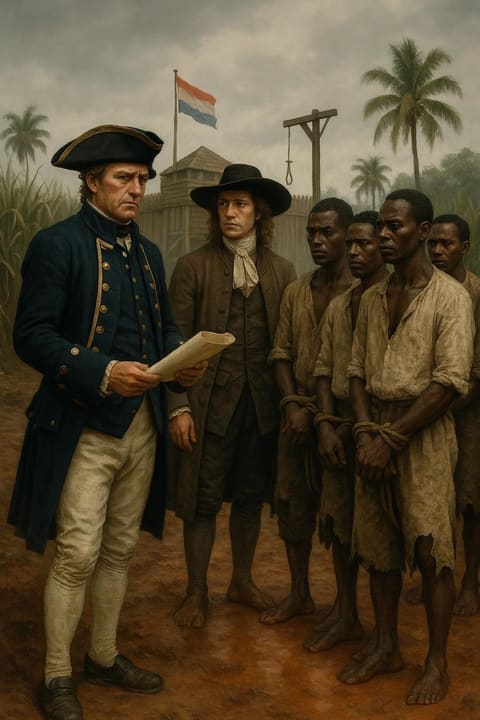
1906 was a tense year in the hot, sprawling landscapes of Natal. The British Crown, entrenched as colonial overlords, had begun to levy a new poll tax on the Zulu people, a directive that rankled the already taut strings of colonial exploitation. To the Crown, it was merely another line in their long ledger of imperial revenue, but to the Zulus, it was a dagger aimed at the heart of their autonomy and dignity. For Bhambatha, a minor chieftain grappling with the sweeping edicts of imperial rule and the mounting hardships faced by his people, the decision was clear: defiance.
Before dismissing Bhambatha as merely disgruntled, one must appreciate the weight of history on his shoulders. The Zulu, famed for their formidable warriors and rich culture, were still recoiling from the seismic aftershocks of their defeat at the hands of British forces in past decades. The poll tax felt like salt in a still fresh wound, a brazen reminder of subjugation. Bhambatha understood the stakes—this tax was more than just an economic imposition; it was a spiritual affront.
Taking to the Hills
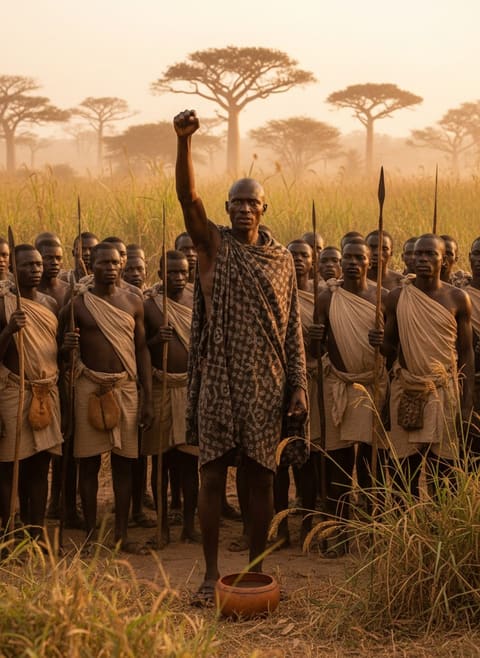
With his refusal to pay the tax, Bhambatha's stance rapidly transformed from isolated defiance to a rallying cry. Stripped of his chieftainship, he sought refuge in the hills, drawing on the rugged terrain as both ally and sanctuary. The Mome Gorge, with its twisting paths and daunting cliffs, became his redoubt. It was here, amidst the whispers of wind and the unwavering crags, that Bhambatha gathered his loyal followers, crafting a strategy borne of limited means but boundless determination.
Read next: When Bhikaji Cama Unfurled India's Flag at Stuttgart, 1907
The surrounding landscape was as unforgiving as the political climate—a place where the verdant patches of forest provided scant cover from the opposing forces' gaze. Yet it was in this hostile environment that Bhambatha would attempt to outmaneuver a foe that vastly outnumbered him. The Crown's response was predictably swift and severe. Dispatching a contingent of soldiers, their mission clear: crush the insurrection and restore the weight of imperial order.
For Bhambatha's men, armed largely with spears and an indomitable will, each skirmish and clash was a matter of sheer survival. Outmanned and outgunned, their tactics mirrored those of guerilla warriors, employing the silent advance of night and the shrouded promise of the hills. The Mome Gorge itself became a labyrinthine theater of resistance, each bend and rise a spot where legend might cast its unsung heroes.
The Echoes of Defiance
Bhambatha's rebellion, though ultimately brief and brutally suppressed, was not without impact. For those who rode with him into that gorge, who took up arms against the colonies' gleaming red lines, defeat was inevitable. Yet these actions were about something greater than immediate victory; they sent ripples through the consciousness of a colonized society yearning to be heard, to reaffirm their identity and rights even in the face of overwhelming odds.
Read next: When Cetshwayo Refused to Kneel Before the Empire, 1879
The rebellion echoed beyond the borders of Natal, reaching distant ears as a symbol of courage and unyielding spirit. It sparked a fervent dialogue across southern Africa, a testament to colonial resistance that would be told in hushed tones by firelight, in songs passed through generations, in the quiet but defiant nods of elders. Bhambatha had become more than the sum of his actions; he became a symbol of a people's unwillingness to bow silently to the yoke of oppression.
A Valley's Whisper
In the shadow-draped nooks of Mome Gorge, the essence of Bhambatha's defiance lingers like a whispered promise. The soil remembers the clatter of shields, the calls of warriors echoing off ancient rocks, and the palpable resolve of a people who refused to be erased. Bhambatha's stand, while not altering the trajectory of the British Empire, kindled a flicker of fire in the hearts of those who would walk that path after him.
History often anoints the victors and buries the vanquished beneath hurriedly penned lines in textbooks. But tales like Bhambatha's remind us that true power sometimes rests not in victory but in the steadfast refusal to succumb. His story, etched into the rocks and soil of Mome Gorge, calls to those who listen closely enough to hear the legends they left out of the textbooks, urging us to remember the valleys where courage defied the crown and history learned to speak standing tall.