He was twenty-five years old. The British labeled him a criminal, but thousands called him God.
The Trail of the Jungle Messiah
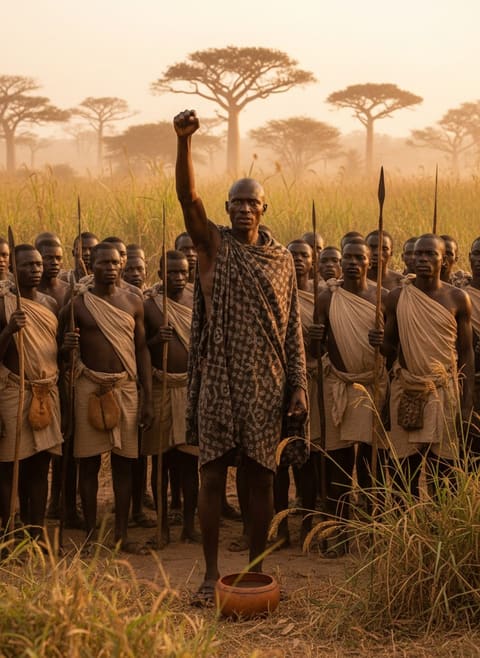
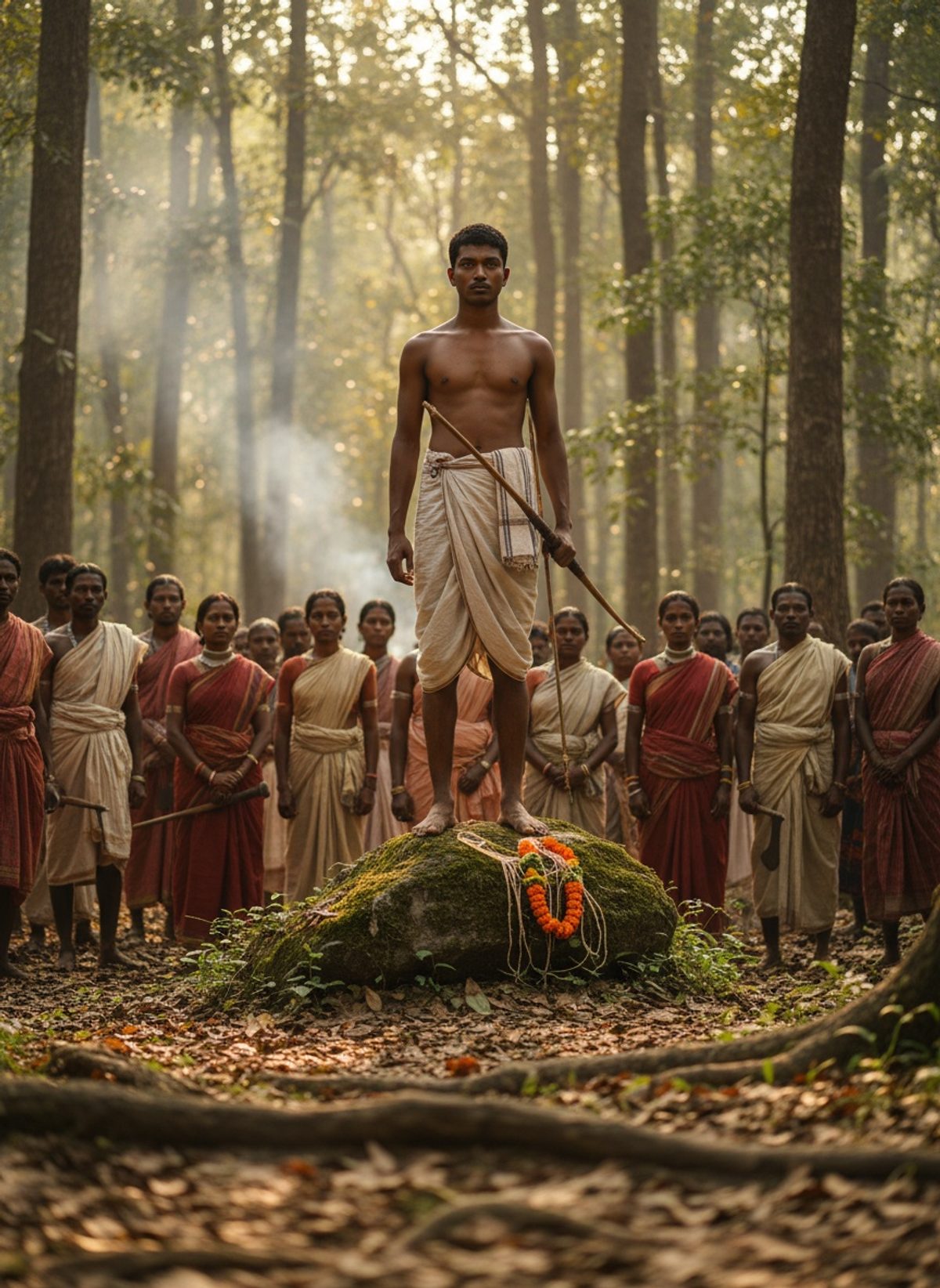
In the dense, unforgiving jungle expanse of Chotanagpur, a young tribal leader emerged not as a mere mortal but as a divine shepherd guiding his flock. His name was Birsa Munda, but to his people, he was more—a living deity, the harbinger of salvation. For the colonial British, however, Birsa was a formidable insurgent, a perilous threat to their iron grip on India. The scene of cluttered foliage and twisting vines was deceptive; beneath its emerald canopy simmered a rebellion that would shake imperial foundations.
The late 19th century was a crucible of colonial exploitation. The tribals of Chotanagpur found their sacred lands encroached upon by avaricious landlords and colonial administrators who considered the indigenous Munda people an impediment to development. It was in this quagmire of disenfranchisement that Birsa Munda commanded the stage, unarmed but for a bow, his weapon truly was words potent enough to cut through the fog of oppression.
Born on November 15, 1875, in Ulihatu in present-day Jharkhand, Birsa was no ordinary child. He absorbed the traditional values and rhythmic melodies of his people—an eclectic mix of cultural heritage that he would later wield as an ideological arsenal. As an adolescent, he briefly attended a missionary school, acquiring knowledge of the Bible. Yet his heart throbbed for the stories and deities of his ancestors. Ironically, his brief brush with Christianity kindled the spirituality that would form the bedrock of his movement.
Read next: When Wat Tyler Faced the King in Smithfield, 1381
By the late 1890s, Birsa emerged into leadership, pushing back against the very forces that sought to subjugate his people. He proclaimed that the land inherently belonged to those who tilled it, not the distant rulers whose bureaucratic reach seemed all-encompassing. His cry resonated through the forests and steep valleys, a clarion call to the marginalized. "Mundas, awaken!" he implored. And awaken they did.
The Ulgulan: A Thunderclap in the Forests
With every whispered promise of liberation, Birsa's influence grew. His followers swelled from hundreds to tens of thousands, each one invigorated by the audacity of hope. The movement—Ulgulan, meaning 'The Great Tumult'—became a sweeping surge across Chotanagpur. Local landlords and British operatives met fearful eyes and muted outrage as once-submissive natives rose in defiance, emboldened by a young man whose very presence galvanized them into action.
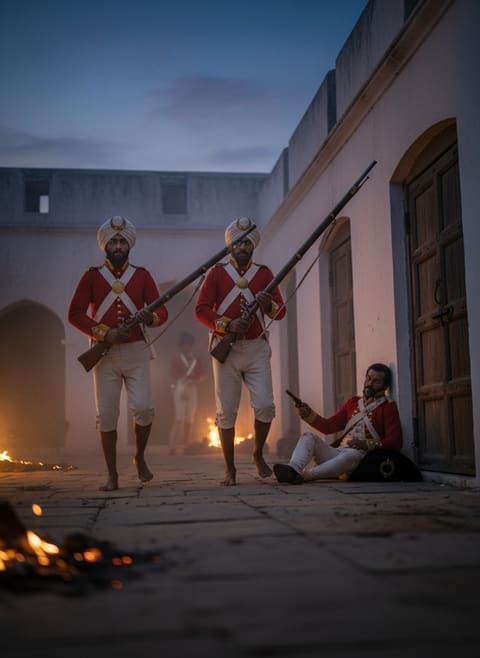
The British, ensconced in their fortified outposts, could not fathom the grassroots insurgency unfolding beneath the lush treetops. At first, they dismissed Birsa as an insignificant pest. Yet reports of his divine status among the Mundas began troubling the colonial administration, who feared his growing influence could ignite a rebellion of broader consequence. The British swung into action not with comprehension but with customary suppression and arrests.
Birsa's rallies infused the air with chants and songs, visualizing a world where respect, their lands, and their traditions were restored. These gatherings, though spiritual in essence, carried fierce political implications. In the eyes of his followers, Birsa was Jur Haq—the bestower of rights, working divine wonders to heal and bless his kin. Tales of these miracles bolstered his aura, fueling a transcendental rebellion against colonial impositions.
In 1899, just a year before a new century dawned, the Ulgulan reached its zenith. Riots erupted through villages, targeting symbols of British oppression. The fervor was untamed. Spears and bows were lifted in defiance of bullets and bureaucracies. A charged atmosphere veiled Chotanagpur as Birsa Munda, the Jungle Messiah, orchestrated a unique blend of spiritual and militant movement the likes of which the colonial behemoth had never encountered.
Read next: When Disguise Carried a Fugitive Through Empire's Heart, 1876
The Imprisonment and the Immortality
But imperial mastery was relentless. Despite birthing a movement that shimmered like a celestial apparition, Birsa Munda was hunted down and imprisoned. In chains and shadows, the indomitable leader succumbed to illness on June 9, 1900, within the confines of the Ranchi Jail. He was 25, the fire of his insurgency extinguished in the physical realm but set ablaze in the consciousness of his people.
The British may have quelled the immediate turmoil impelled by Birsa, but they unwittingly immortalized him in the process. His death sowed seeds of martyrdom among the Mundas, fortifying their collective identity long after the shackle's cold sting had subsided. While the immediate rebellion may have been halted, the ideological storm unleashed in the hearts of thousands stubbornly persisted.
Today, when one stands at the Birsa Munda Hockey Stadium in Ranchi, they tread on soil palpitating with the audacity of freedom once envisioned by a young tribal hero. The modern stadium is a testament to progress, yet the echoes of Birsa’s war cries linger in the winds of this land. The legacy of Birsa Munda isn’t merely a chapter of history lost to time; it is a vibrant reminder of the fragile contracts between power and resistance, land and ownership.
In the shimmering pages of history, the narrative of Birsa Munda is a resonant symphony of audacious rebellion, percussive with indigenous pride and melodic with the relentless pursuit of justice. It lies outside the mold of regimented textbooks yet persists in whispers among communities that remember in songs, stories, and glorious defiance. As history recounts the arch of empires, it remembers that often it is not the ironclad armies or the sophisticated weapons that stymie empires, but the luminous spirits of those who dare to dream beyond their means, galvanizing small corners of forgotten forests into legends never to be untold.