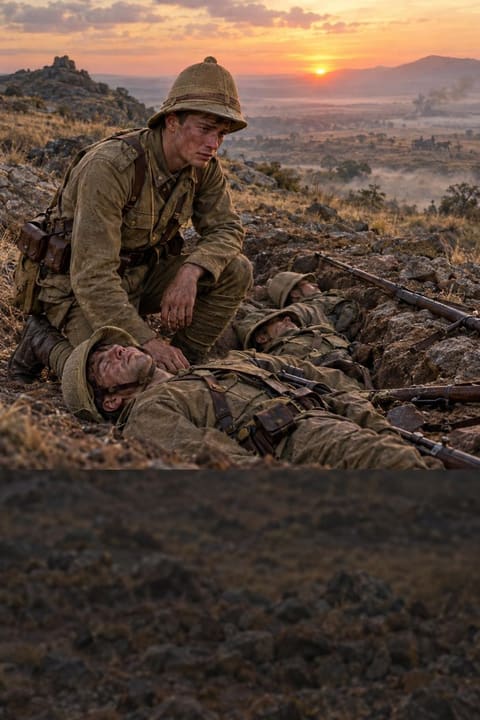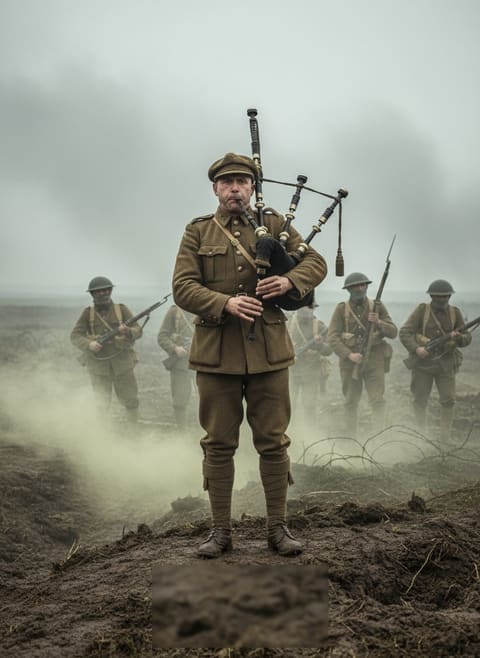
The January sun in the Afghan highlands offered little warmth. Its pale glow struggled through a thick blanket of fog, casting ghostly shadows across the rugged landscape. Beneath this cold veil, the Kabul Garrison — a formidable assembly of 16,500 soldiers, civilians, and camp followers — prepared to leave the relative shelter of Kabul.
They were setting off on what was meant to be a march to safety. But the grandeur of their procession belied the grim reality. These men, women, and children were venturing into a frozen abyss, where a promise of safe passage would dissolve into the cruel, impartial snows.
The Trek into Peril
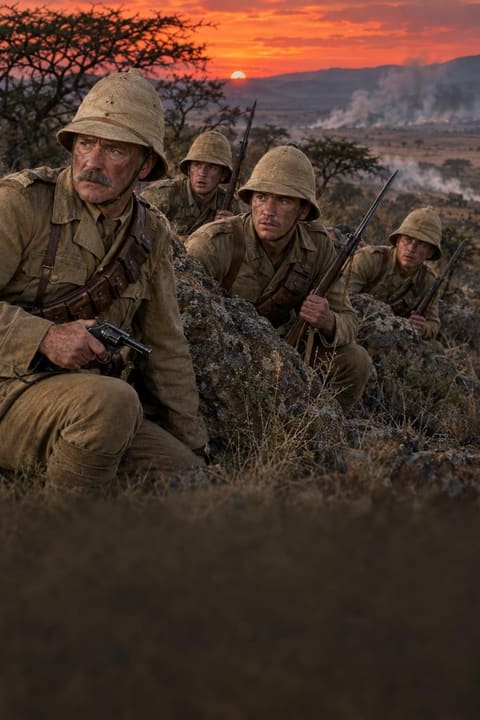
Their journey began on January 6, 1842. The garrison, a vibrant mix of soldiers clad in red and blue, wives wrapped in woolen cloaks, and children bundled against the cold, snaked their way out of the city. Behind them, Kabul stood aloof and silent, as if warning them of what lay ahead. Only the haunting cries of the wind accompanied the procession as it moved into the Khyber Pass.
Confined by steep, jagged cliffs on either side, the narrow mountain passes seemed designed to amplify suffering. As the mercury dipped, frostbitten cold became their constant companion. But it wasn't just nature that turned against them. Hidden among the rocks and ridges, Afghan tribesmen prepared to enforce their terms of combat — an ambush that the snaking column, with its baggage carts and pack animals, could not hope to repel in time.
Read next: When Edward Seago Painted War From the Deck of a Destroyer
The promise of safe passage was already beginning to fracture, leaving behind only the harsh realities of survival in a land indifferent to foreign invaders.
Death in the Passes
The first attacks were swift and merciless. Snow muffled footsteps and gunshots alike, creating a confusion that stretched nerves taut. Within moments, the garrison was caught in a deadly maze. As soldiers scrambled to form defensive lines, panic spread among the ranks. The cold steel of Afghan blades blended with the biting frost, creating a cacophony of despair.
The retreat turned into a nightmare. Snowdrifts obscured the road, concealing deadly traps under innocent-looking layers of frozen crystals. Even as the soldiers fought bravely, their resolve was chipped away by hunger, exhaustion, and the persistent specter of death that seemed to lurk at every turn. Day by day, their numbers dwindled, the fallen left as macabre markers on the blood-stained snow.
Through it all, one man, William Brydon, pressed on. His determination was fueled by a singular drive to reach Jalalabad. But each step forward was paid for with memories of those who could not go on.
The Lone Survivor
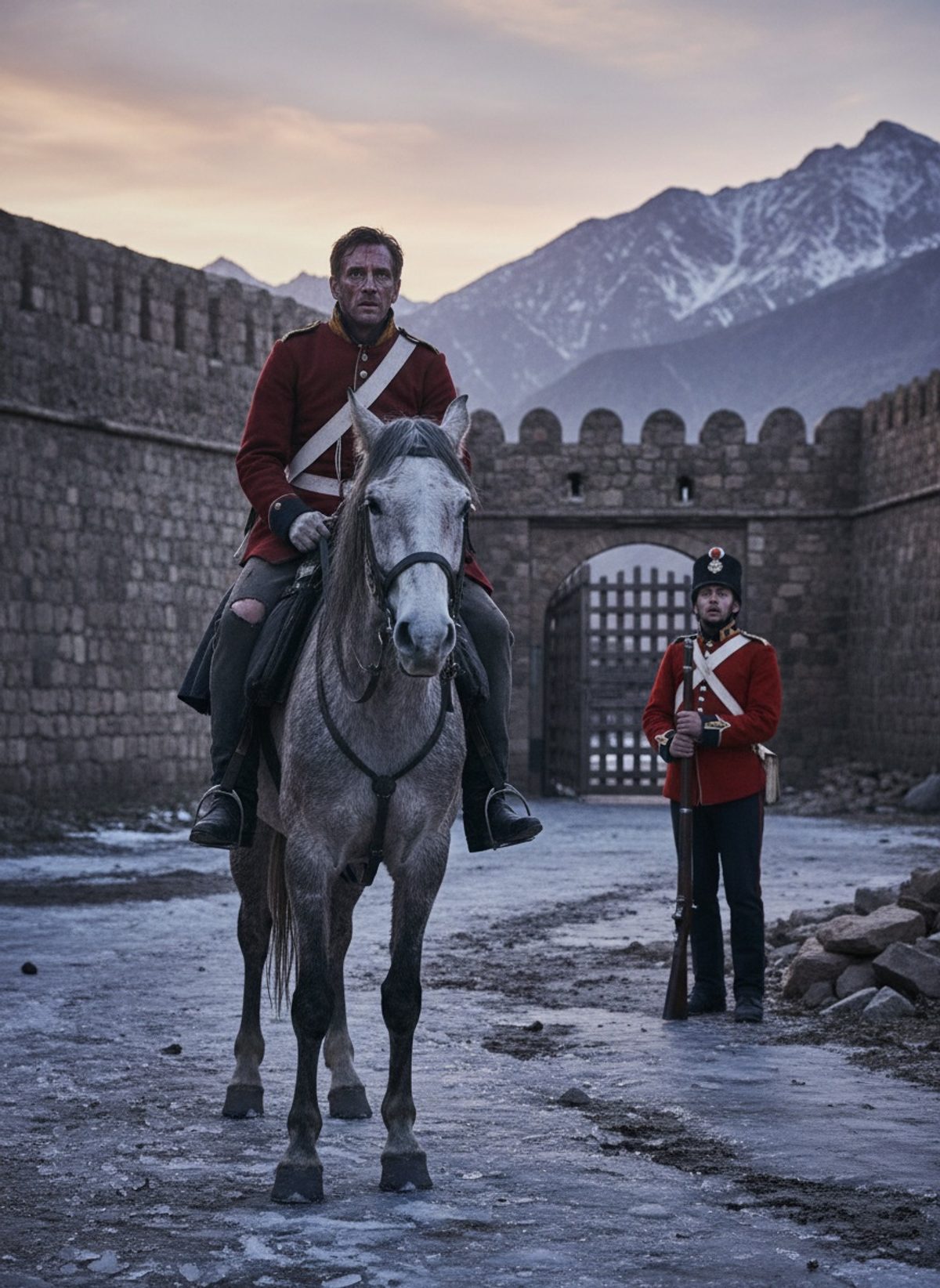
On January 13, 1842, a haggard figure emerged from the mountains, a ghostly apparition against the windswept plains leading to Jalalabad. William Brydon, barely alive, had defied the odds. His horse's breath steamed in the crisp air, nostrils flaring with each labored step. Brydon himself was a patchwork of war's remnants, wounds borne as testament to the journey behind him.
His arrival was a stark portrait of what had transpired. Here was the sole being who threaded the needle of despair and chaos to tell the tale. His very presence asked a question no one dared speak aloud: how could an entire army simply vanish?
Read next: When HMS Encounter Led Three Ships Into Surabaya, 1942
For Brydon, there would be no triumphal entry or celebratory accolades. Only the solemnity of survival amidst unfathomable loss. His narrative, fraught with images and echoes of six days of calamity, became a living testament to all who perished.
Unraveling the Enigma
Why does this tragic retreat, the annihilation of the Kabul Garrison, matter today? It's more than just a chapter of military misadventure; it's a tale woven into the broader tapestry of human history. This catastrophe underscores the peril of imperial hubris and the volatile intersection of foreign policy and local resistance.
In the midst of diplomatic failures and logistic miscalculations, human stories unfolded — potent reminders of the individual lives caught in the wheels of larger forces. Each soldier, each civilian, and each camp follower had their own story, now subsumed into the broader narrative of colonial ambition meeting its limits.
Yet, out of the bleakness, hope persisted. The ordeal brought about introspection and change, altering the course of future engagements. Even today, the shadow of Kabul’s winter reminds us of the resilience of the human spirit and the perpetual quest for understanding amidst adversity.