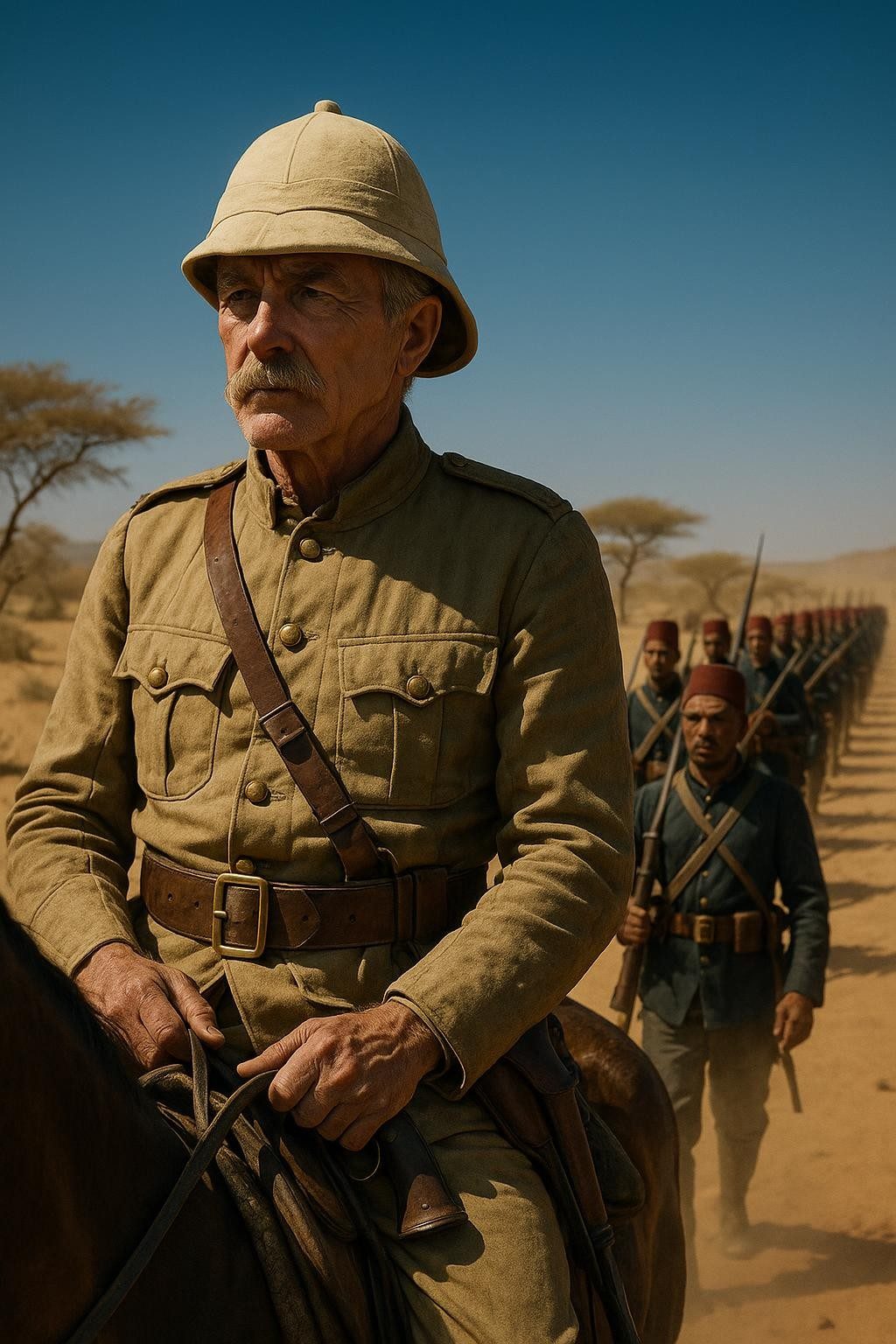
Frederick Lugard is often remembered as a steadfast imperial administrator. Yet, his legacy in Nigeria was born from a choice to nurture rather than destroy.
The Tapestry of Kano: Complexity Meets Simplicity
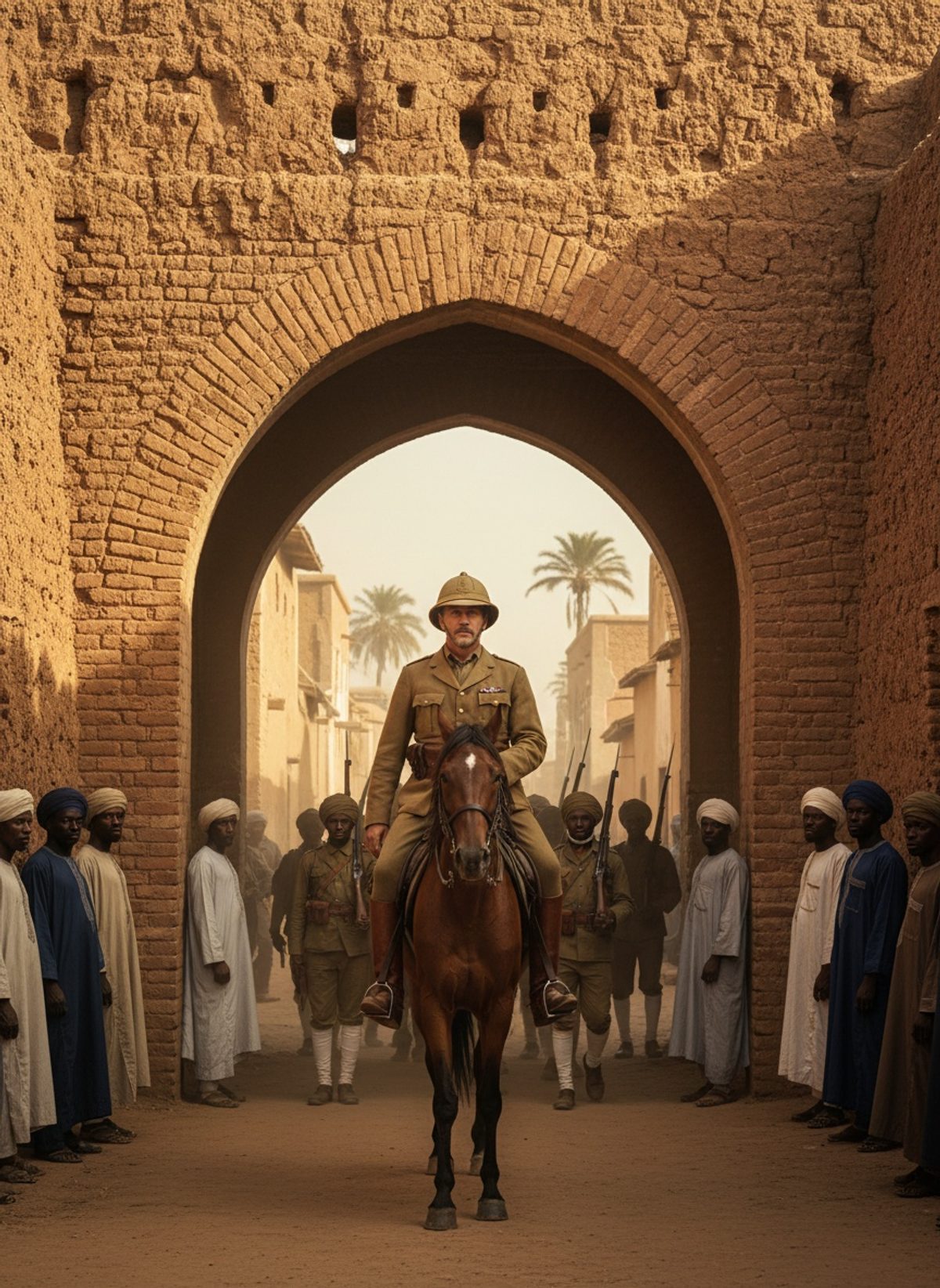
When Frederick Lugard rode into Kano on that fateful March morning in 1903, he saw more than just a fortified city; he beheld a living tapestry of culture, tradition, and intricate structures that had stood for centuries. Kano was one of the key cities in the Sokoto Caliphate, a sprawling Islamic empire that stretched across northern Nigeria. Unlike the fractured tribal entities that imperial powers typically encountered, this was an area with an entrenched socio-political system, one that could either be pulverized into submission or used as a foundation for burgeoning dominion.
Kano fell with hardly a fight, but the ease of its capture belied its importance. Its mud walls, sprawling markets, and the regal dignity of its emir presented Lugard with a choice that would define his legacy. The city's surrender was not surrender at all but a pragmatic handshake. What Lugard observed was a finely balanced ecosystem of governance, one that, if tampered with recklessly, could have splintered into ungovernable chaos. In a moment of rare restraint or perhaps political acumen, he chose not to crush but to preserve.
Sixty Men and a Colossus
Lugard's arrival in this ancient city was neither grandiose nor overwhelming; he had only sixty men at his command. Yet, these men represented the broad reach of the British Empire, which stretched from ocean to ocean, gripping continents in its bureaucratic hands. The task was colossal: to superimpose the British administrative ethos onto a land rich with its own history and heroes.
Read next: When Samuel Baker Knelt Before the King of Bunyoro, 1872
This was more than a test of military might; it was a trial of strategic acumen. Lugard understood the delicate dance required, one which involved balancing the allure of imperial power with respect for indigenous institutions. Instead of dismantling the existing governing structures, he wove them into the fabric of British rule by formalizing the indirect rule system. The emirs of Northern Nigeria would continue to govern under the advisement of colonial officials, blending local customs with imperial stipulations. Such a decision, though financially and administratively prudent, required measured audacity and deft execution.
Laws Unbroken, Rulers Unseated
Lugard's decision to leave Kano's laws intact and its rulers in place was as much about maintaining order as it was about respecting a system that people understood and accepted. Many empires throughout history had learned the hard way that imposition often breeds rebellion; with Kano, Lugard chose symbiosis over subjugation.
The emir's palace continued to operate as the nerve center of governance, tethered to the rhythm of Kano's subjects. By allowing this continuity, Lugard fostered an environment where economic activities could thrive under the dual oversight of local and imperial governance. Markets buzzed with trade, the sound of bargaining echoing off the sandstone boulevards, underlining a social contract renewed rather than destroyed.
The Fabrication of a Nation
In piecing together the quilt of Nigerian society, Lugard stitched a varied and often contentious patchwork of cultures into a more coherent whole. His approach at Kano showcased a philosophy that extended beyond mere administrative convenience. It was a bet on the potential for a hybrid governance model to cultivate unity amidst diversity.
This was not without challenges. His reliance on traditional emirs sparked criticisms that he was bolstering autocratic structures at the expense of a more equitable political evolution. Ironically, the very system that lent stability also sowed seeds of discord in post-colonial narratives. Nevertheless, before 1903, Nigeria had been a mere convergence of disparate kingdoms and empires. From Kano onwards, it began to coalesce into something more recognizably a nation.
Choices Sculpting History
The march into Kano was a defining moment that echoed far beyond the confines of its ancient walls. Lugard's decision reverberated through the decades, influencing Nigeria’s socio-political landscape long after the Union Jack had been lowered. By respecting the intricate social order of Kano, Lugard didn't just seize a city; he laid the groundwork for a nation.
In a world where empires were too often synonymous with destruction, Lugard's choice remains a nuanced chapter. While some may critique his methods, the measured approach contributed to enduring legacies still examined by historians and political scientists today. This is a tale not just of conquest but of compromise and cooperation, a reminder that sometimes the most profound forms of power arise not from the tread of boots but the whisper of consensus.