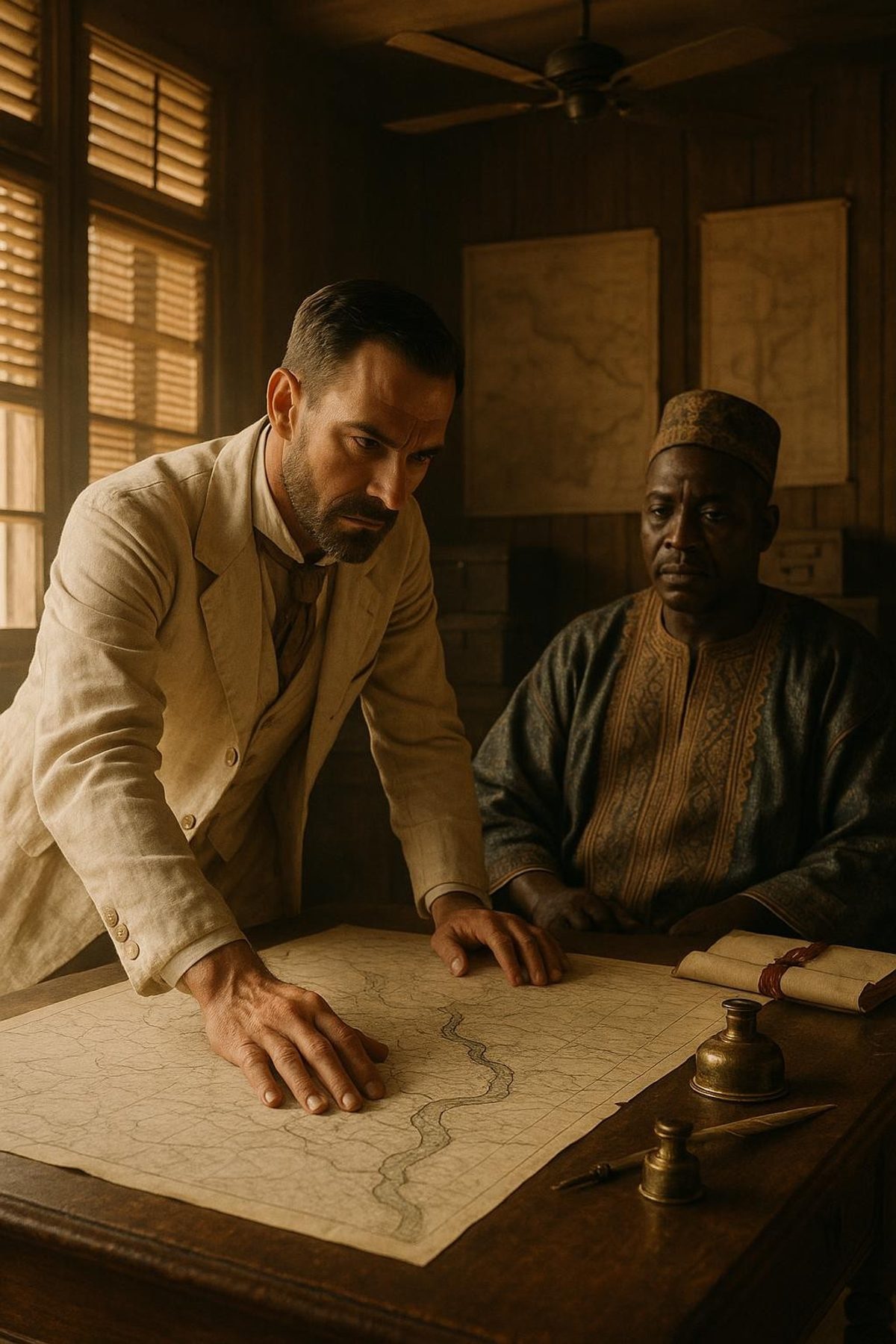
The oppressive humidity hung over the Niger River like a shroud, pressing down on the jungle-lined banks where the vibrant hum of life was interrupted only by the faint whispers of a colonial struggle. The soft rustle of palm leaves and the distant cacophony of bird calls painted a serene picture, yet beneath this tropical calm was a storm of geopolitical maneuvering ready to erupt. In 1884, atop this delicate ecological balance, the future of an empire teetered. France poised to claim the Niger River as its own, casting British ambitions to the wayside. But in the heart of this tableau stood one man whose navigations would steer history down a different path: George Taubman Goldie.
The Shadow of French Dominance
The late 19th century was a time of fervent imperial competition between European powers, each vying for dominance over the African continent. The French had become expertly entrenched along the Niger, a river of immense strategic and economic importance. The Niger was more than just a ribbon of water cutting through Africa; it was a lifeline, an artery through which the rich resources of the interior could be transported to the world beyond. The French, well aware of its potential, were weeks from sealing British interests out of the region indefinitely. Their presence in West Africa seemed unstoppable, casting a long shadow over British colonial ambitions.
In the bustling corridors of power, the British claim to the Niger was crumbling like hard clay under the encroaching tide of French determination. It was in this precarious climate that George Taubman Goldie emerged from the mist of the British trading elite. A man with the wit of a negotiator and the audacity of a soldier, Goldie was not to be trifled with. The task before him seemed Herculean: outmaneuver France's established grip and secure those same waterways for Britain.
The Trader’s Gambit
George Taubman Goldie possessed an extraordinary ability to see opportunities in the swirling clouds of colonial competition. A former army officer turned trader, he understood that military might was not always the path to victory — sometimes it was the chequebook. Where guns failed, Goldie's ledger would succeed. In a remarkable feat of economic brinkmanship, he orchestrated the acquisition of two key French trading companies operating on the Niger. It was a move that left the French with no choice but to concede their hold over the river.
Read next: When Cecil Rhodes Stood on the Edge of His Dream, 1890
This strategy of buying out the competition was revolutionary. What had seemed impossible through diplomacy or military engagement, Goldie achieved through calculated financial audacity. Within weeks, he neutralized the French threat and handed control of the Niger River to Britain, thereby safeguarding its interests in West Africa. The swiftness and decisiveness of Goldie's actions were as stunning as they were effective, altering the course of history.
Fateful Discussions in Foggy London
Meanwhile, back in London, the power corridors of Whitehall bustled with news of Goldie's daring acquisition. In clandestine meetings filled with the aroma of pipe smoke and the clink of glasses, whispers of Goldie's deeds traversed the strategic echelons of the British Empire. There was astonishment at how swiftly the tides had turned. What weeks earlier seemed like impending doom for British influence in West Africa was now an unexpected triumph. Goldie's endeavours had gifted them more than just a river: it reasserted Britain's claim over a strategic region, reinvigorating national pride.
The economic implications were profound. The Niger was to serve as the vital thoroughfare for British trade and administration, opening channels that promised boundless opportunity. For the traders, merchants, and colonial officers who relied on these waters, Goldie's success symbolized a lifeline to prosperity and growth. His actions reshaped not only the map but also the very fabric of colonial competition and economies in West Africa.
The Man and the Empire
George Taubman Goldie may not be a household name like Victoria or Disraeli, yet his role in the larger tapestry of empire was pivotal. His story is one of how individual agency can steer the course of history in unexpected ways. With a pen and negotiation prowess, Goldie accomplished what no fleet or army could. He underlined the notion that in the empire's vast playbook, it was as much about maneuvering in boardrooms as on battlefields. His exploits have lingered in obscurity, relegated to pages of colonial financial reports rather than celebrated chronicles of empire.
The saga of Goldie's bold move on the Niger might sound like a footnote in the sprawling history of the British Empire, but it bears lessons that resonate. It reminds us that the vast narratives of empire are often shaped by singular acts of audacity, within both the familiar brilliance of forgotten figures. Just as the Niger River winds through the heart of Africa, so too do the tales of George Taubman Goldie meander through the annals of Victorian statecraft, leaving in their wake a legacy undefined by might alone but measured in strategy and tenacity.