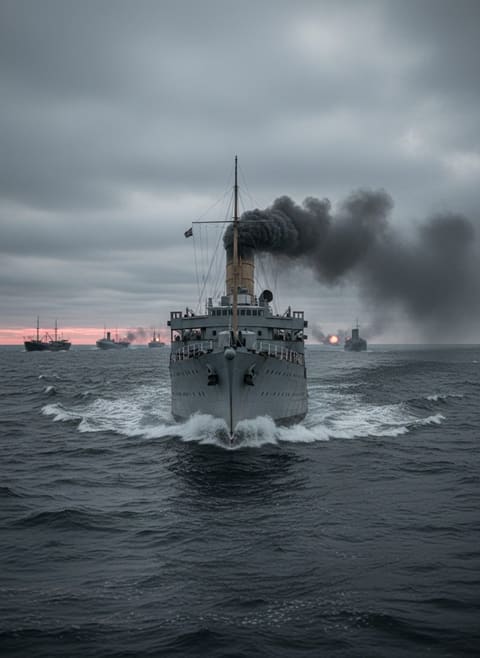
July 11, 1882. The sun burned hotly over Alexandria's sprawl of stone and sea. Waves of shimmering heat rose from the city’s whitewashed buildings, even as tension thicker than the humid air gripped its people. They knew that just beyond the horizon, a formidable presence loomed, waiting for the signal to unleash its ironclad wrath.
The Tense Build-Up
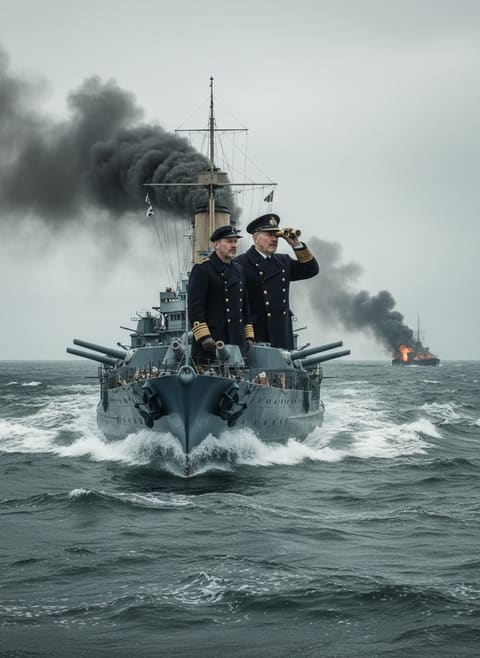
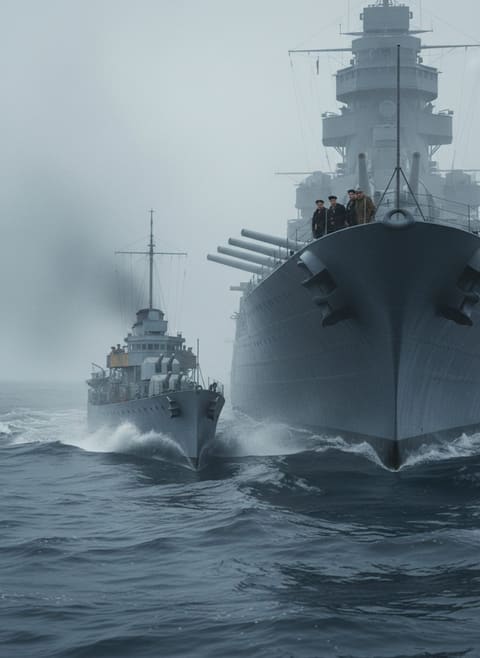
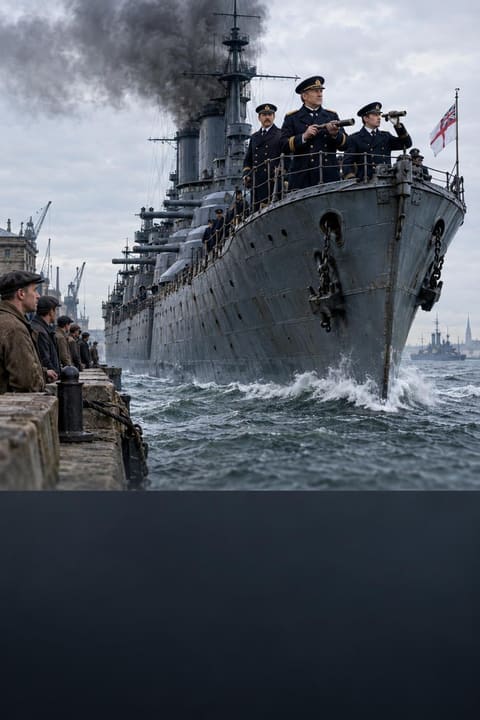
The HMS Inflexible stood as a colossus among ships, the apex of Victorian naval engineering primed for war. Commanded by Vice Admiral Sir Beauchamp Seymour, this floating monolith embodied Britain's industrial might, armed with artillery capable of reducing stone fortifications to rubble. Her reputation preceded her, but in 1882, the world would witness her power in a setting few foresaw—against a shore, rather than the open sea.
The port city of Alexandria became a strategic focus during the Egyptian Campaign. Instability arose when nationalist revolts against foreign influence erupted across Egypt, capturing global attention. The British, invested in maintaining control over the Suez Canal and by extension, their route to India, saw intervention as the only viable path. Thus, Admiral Seymour was dispatched, commanding arguably the most advanced warship afloat, alongside six others, forming a squadron poised to demand either compliance or annihilation.
When Silence Gave Way to Fire
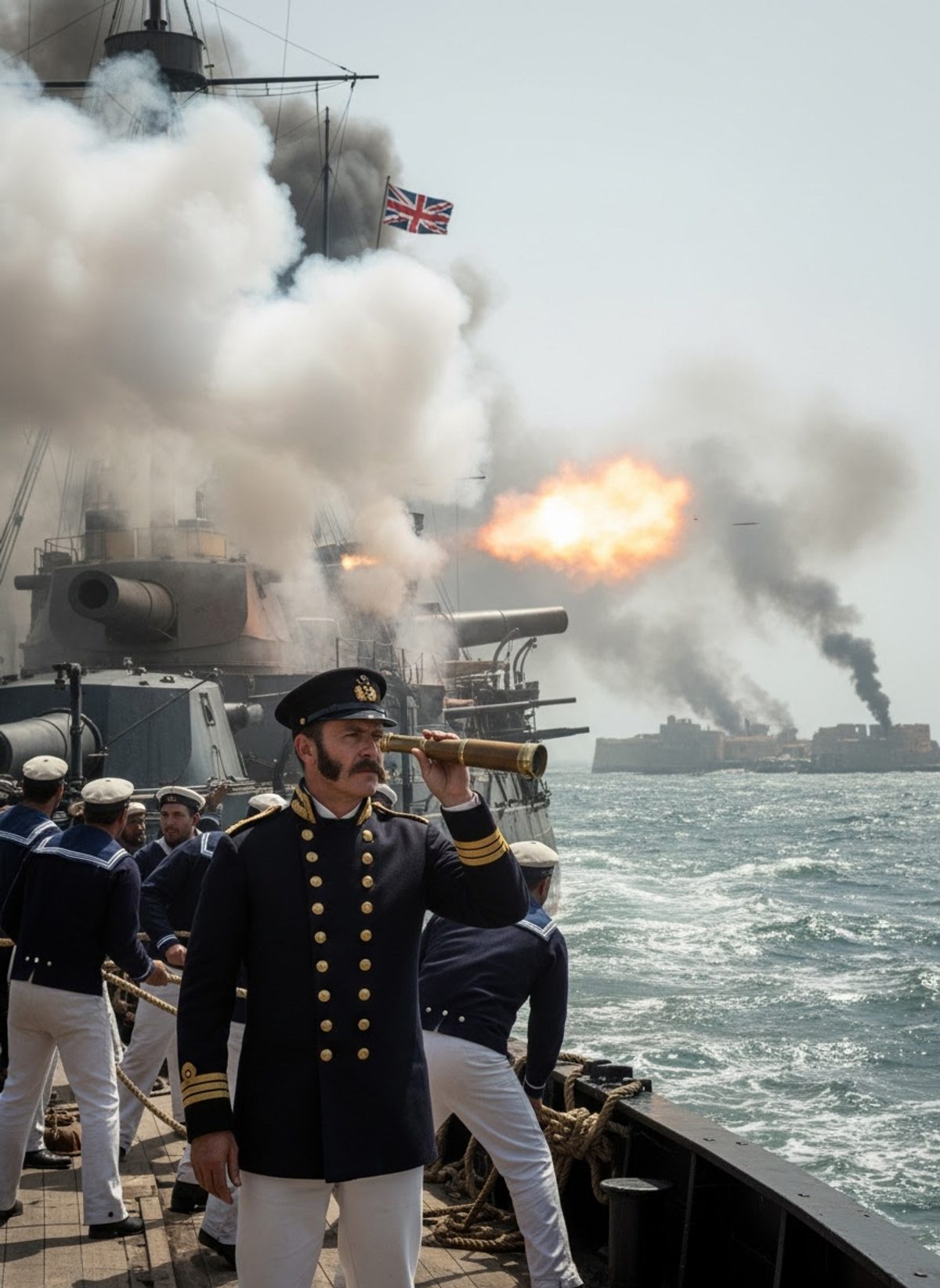
The atmosphere crackled with anticipation that July morning. Admiral Seymour, favoring de-escalation, issued an ultimatum for the Egyptian defenders to surrender. One hour passed in silence, where every tick of the clock echoed amid an eerie calm. As the ultimatum expired and the Egyptian guns boomed the first defiant response, HMS Inflexible fired back with thunderous might.
Read next: Three Gunboats That Ruled the Yangtze for Fifty Years
For eleven hours, the battle raged. The Royal Navy’s assault was both methodically controlled and devastatingly fierce. Ironclads maneuvered within the bay, unleashing a relentless barrage upon the forts of Alexandria. By nightfall, the city's skyline was marked by rising plumes of smoke as fortifications crumbled under the onslaught. The Egyptian batteries, courageous yet outmatched, ceased firing one by one, succumbing to the technological superiority etched into the iron hulls of their adversaries.
Rewriting the Rules of Engagement
This engagement wasn’t just a display of brute force; it signaled a profound shift in naval warfare. Ironclads had proven their dominance in earlier conflicts, but never before had they demonstrated such effective power against static land fortifications. It was a paradigm shift—the immovable now seemingly made malleable, its fate dictated by the moving fortresses of the sea.
Traditional coastal defenses, once seen as impregnable, faced obsolescence in the age of advanced naval artillery. The intricate dance of steam-powered battleships, armed with enormous rifled guns capable of firing explosive shells, showcased not merely their versatility but their decisive edge over stationary defenses. Yet, as much as it heralded innovation, the success of this campaign also marked the beginning of the end for the grand ironclad, foreshadowing the transition to pre-dreadnought and eventually dreadnought battleships.
Read next: When 21 Swordfish Biplanes Struck the Fleet at Taranto, 1940
A Legacy Cast in Iron
When the echo of the guns faded, Alexandria lay open—a piercing reminder of imperial reach and the price of resistance. For the British, the bombardment of 1882 was a tactical triumph, asserting dominance in the Mediterranean and shaping Egypt’s future under British oversight, pivotal for securing routes to their colonial holdings.
This often overlooked clash encapsulates a period when technological advances outpaced traditional military doctrine. While the towers of the fortresses lay in ruin, the lessons it imparted resonated across naval channels worldwide, precipitating an arms race that propelled maritime innovation into the next century. HMS Inflexible herself entered the annals of history as a harbinger of change in a world that could not afford to overlook the relentless march of progress.
In understanding this seemingly forgotten conflict, we glimpse the complexities of imperial strategy and the technological upheaval at its core. It's a tale not found in every textbook—a chapter, though overshadowed by later conflicts, that shaped not only the fate of a nation but the course of warfare itself.