He had just turned sixteen. The boy hadn't seen home since he boarded his first ship. In 1938, the stories of young sailors who crewed HMS Victory were finally given a home. As visitors stepped into the brick embrace of Portsmouth Dockyard's new museum, they entered a world where the legends of war were crowded out by the murmurs of many forgotten voices.
The Birthplace of Legends
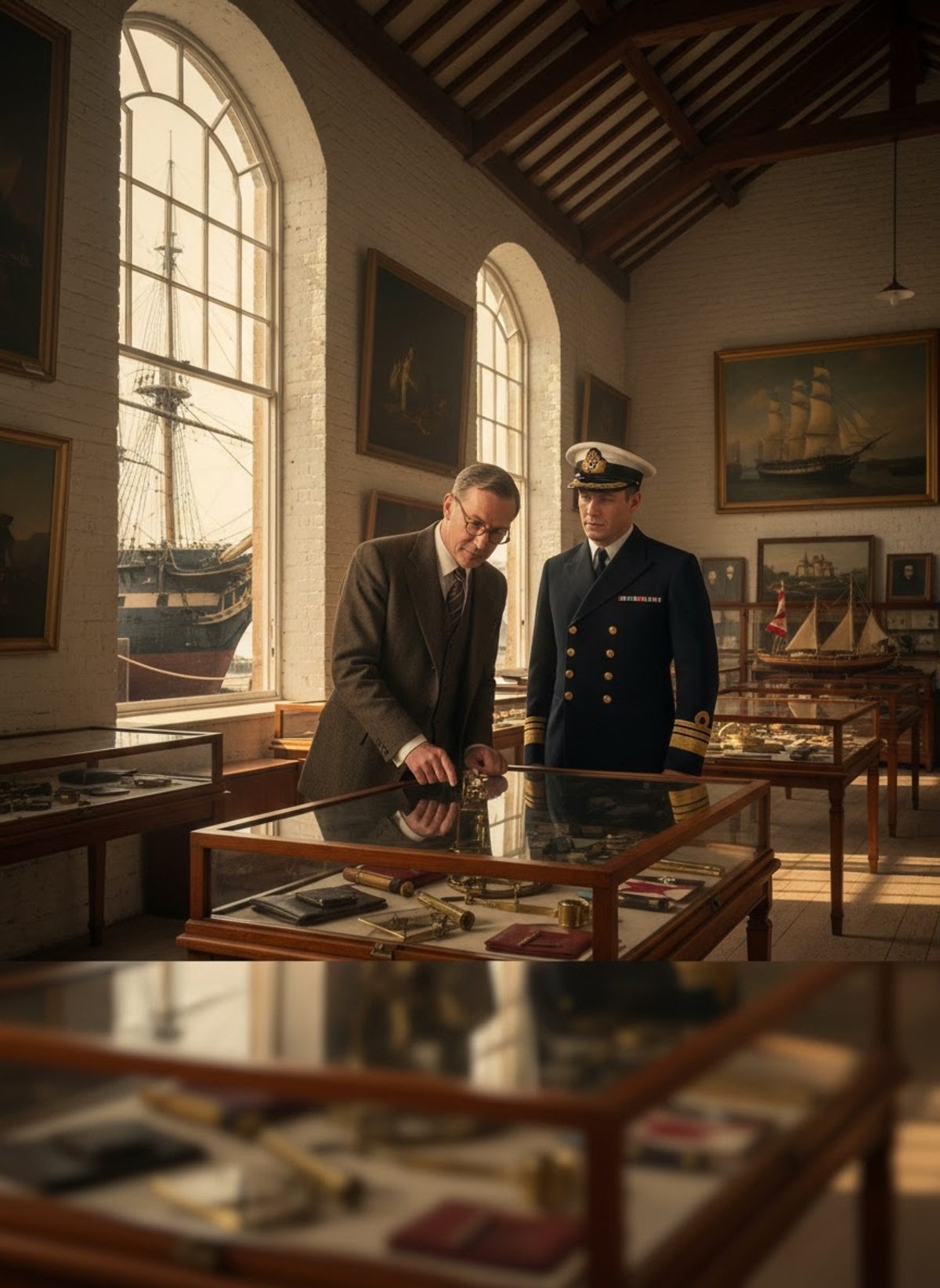
Portsmouth Dockyard, more than just a hive of maritime activity, was a crucible of legends. By July 25, 1938, the dockyard added a new chapter to its storied past. A Victorian rigging house, wearing its age like a badge, transformed into a sanctuary dedicated not to a ship's heroics, but to the silent toils of its crew.
Constructed directly opposite HMS Victory, this museum served as a tangible connection to stories buried beneath the decks. It was here that history's abstraction dissolved, making room for the visceral truths of life at sea. The air within its walls felt charged, alive with whispers of centuries-old tales. From sailor's tools hanging like guardians on the walls to logs inked with triumphs and trials, every corner echoed with human resilience.
Voices from the Lower Decks
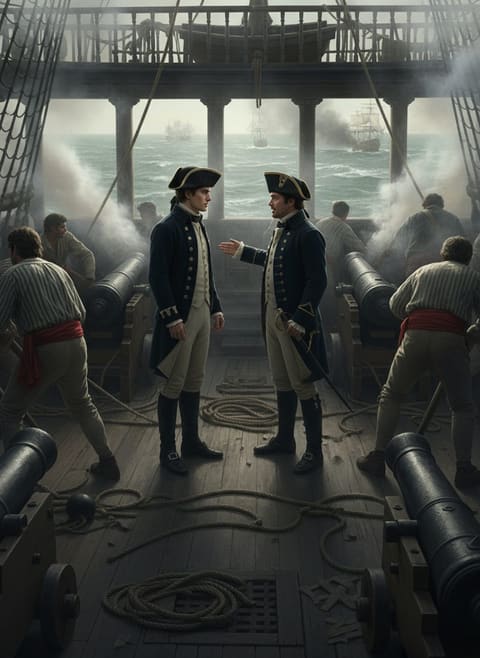
The Victory carried famous commanders into battle, but it was the nameless hands on deck that gave the ship its might. Beneath the lead of its officers, untold sailors toiled. Young as sixteen, they braved punishment, disease, and the unknown margins of warfare. In this museum, their world unfurled before the eyes of the curious and aware.
Read next: When HMS Inflexible Turned Her Guns on Alexandria, 1882
Visitors found themselves immersed in stories that had slipped through the net of mainstream histories. The humble wooden beams and cases seemed almost to tremble with the courage of those who had battled far more than the enemy.
These tales were pages unturned — of friendships forged through hardship, nights spent cradled by the ship's steady rhythm, and the quiet pride in surviving another day at sea. The museum restored identity to countless individuals who were shadows behind the illustrious sails of Victory.
The Artistry of War
Yet, beyond the sails, ropes, and artillery, HMS Victory celebrated another kind of expertise — craftsmanship. Standing within the museum, one could see the care that went into every curve of Victory's hull, the precise joinery that bound timber to purpose. Each artifact, from sextants to sextants, testified to the unsung heroes of construction whose ingenuity still held Victory together centuries later.
Read next: When the Admiralty Dug Up Brunel's Lost Warship, 1844
Tales of these artisans made for fascinating encounters. Accounts from the museum of shipwrights working tirelessly by candlelight introduced a rarely chronicled dimension: the silent artistry that directly impacted naval supremacy. Visitors could nearly smell the sap and varnish, feel the coarse wood under their fingers. Their work was not just to build; it was to breathe life into their nation’s hopes, dreams, and defenses.
A Monument to Memory
As the world hovered on the brink of another great conflict in 1938, the HMS Victory Museum stood resolute — a beacon of remembrance. It anchored the men of the past to the living, linking their hopes with those who would soon face the fires of war once more.
This museum was not just a collection of objects but rather a dialog across time, binding the sacrifices of yesteryear with those on the horizon. Its opening served as a bridge, a way of seizing the intangible human spirit that had powered the Victory and, by extension, Britain's naval dominance. In learning their stories, visitors could better appreciate the fragile peace and recognize the courage awaiting every call to duty.
Ultimately, the Portsmouth museum represented more than the preservation of history — it was a testament to the enduring power of remembrance. In giving a voice to those once lost to the waves, it invited all who entered to look beyond mere victories, to the very backbone of courage that turned tides and secured legacies. Such tales ensure that while ships may succumb to the ocean's depths, the true heart of hope and humanity never sinks.