The heat was intense, searing against the skin with a fury unfathomable and unyielding. The deck beneath him, once a sturdy vessel of hope and anticipation, was now an inferno of twisted metal and acrid smoke. As Simon Weston stumbled through the chaos aboard RFA Sir Galahad, he barely recognized the familiar confines of the ship that had ferried him and his fellow Welsh Guardsmen to the brink of a new chapter in their military service. It was June 8, 1982, a day that would alter his life forever.
A Journey of Conviction
Four years earlier, a young Simon Weston had found himself at a crossroads. At 16, he'd gotten into trouble, behaving like any restless teenager in 1970s Caerphilly might. His mother, Pauline, recognizing potential amidst the turmoil, insisted he join the Welsh Guards. Perhaps she saw the structure, camaraderie, and purpose that military life promised, or perhaps it was maternal instinct guiding her foresight. Regardless, the decision set the course for his enlistment and deployments across Berlin, Northern Ireland, and Kenya. These experiences molded him, shaping an indomitable spirit that would soon face the ultimate test.
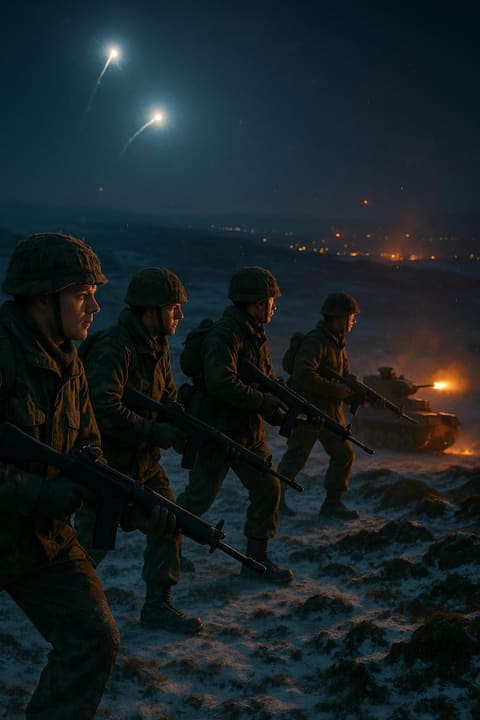
In the spring of 1982, as the winds of conflict swept through the South Atlantic, Weston's battalion was ordered to the Falkland Islands. The Argentine invasion in April demanded a swift British response—a quest to reclaim what had always been considered sovereign territory. For the young Welsh Guardsman, it was a call to duty, an opportunity to stand beside his brothers-in-arms as history unfolded around them.
The Crucible of Fate
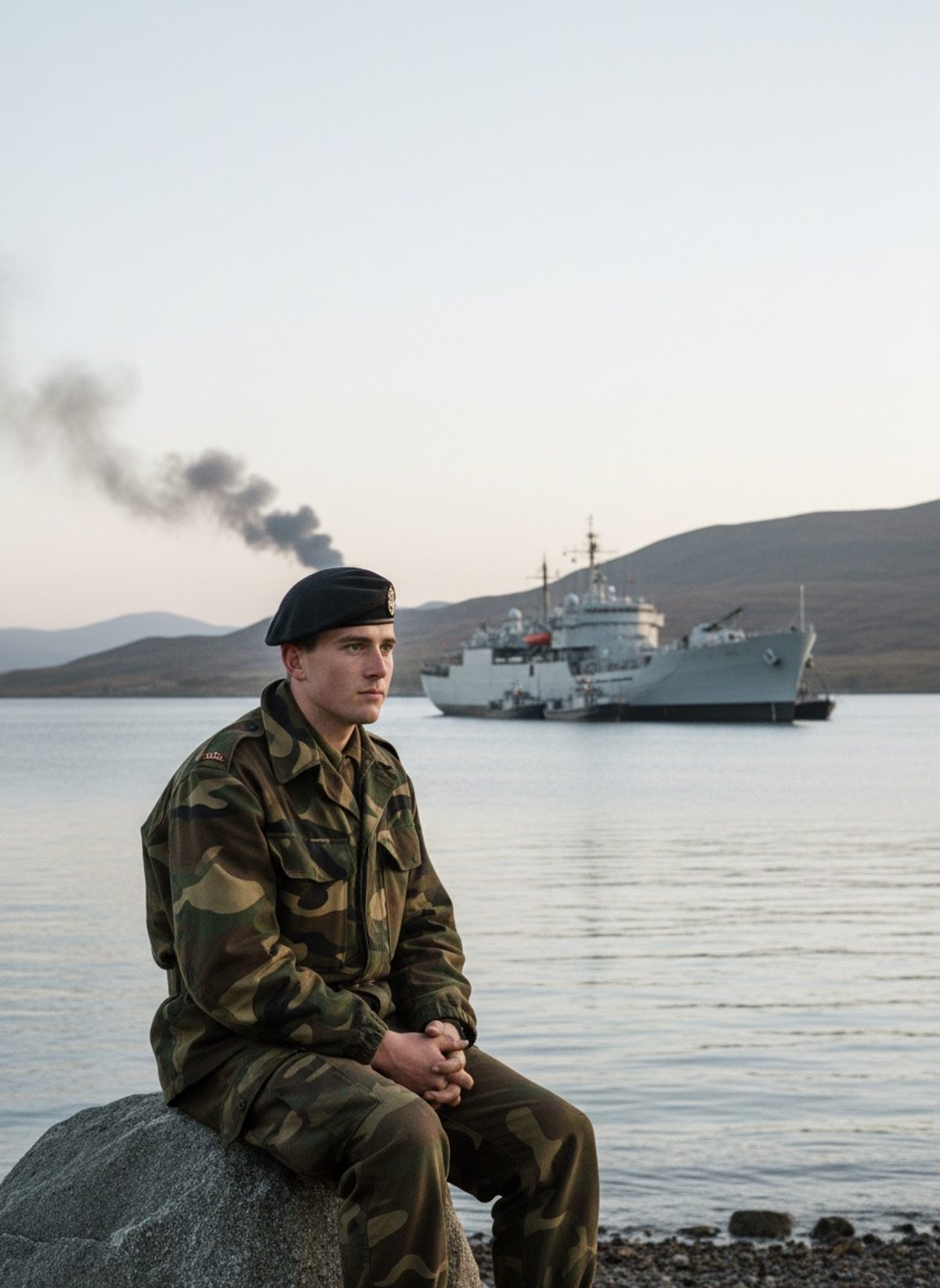
On the morning of June 8, 1982, the RFA Sir Galahad lay anchored off Fitzroy at Port Pleasant, a floating arsenal brimming with ammunition, phosphorus bombs, and thousands of gallons of fuel. The Welsh Guards awaited their advance on Stanley, the war's final front. Yet as Argentine Skyhawk fighters swooped in with deadly precision, fate had different plans. Bombs struck the heart of Sir Galahad, igniting a violent conflagration that claimed the lives of 48 men—32 of them fellow Welsh Guardsmen. Among them were 22 from Weston's own platoon of 30, leaving him one of only a handful of survivors.
Read next: When the Black Watch Marched Into Atbara With Pipes Playing, 1898
Simon Weston emerged from the smoke and ash a changed man, with 46% of his body burned and a face scarcely recognizable even to those who loved him most. His recollection of the aftermath includes a haunting encounter at RAF Lyneham, where he lay on a gurney, a stranger to his own mother. "Mam, it's me," he cried as she passed by, her face frozen in disbelief until she recognised her son.
Triumph Through Adversity
The road to recovery stretched interminably before him, a daunting journey marked by 96 major operations and a battle against profound psychological scars. Reconstructive surgery in the years that followed pieced together not only his physical form but also his resolve. Skin from his shoulders was transplanted to craft new eyelids, while grafts eased the healing contractions of his nose.
Yet it was the intangible wounds—the anguish, depression, and a period of heavy drinking—that threatened to overwhelm him. Weston's mother, a steadfast pillar through his darkest days, and his old regiment stood firm beside him. They provided the tough love he needed, especially Glen White from the Welsh Guards rugby team, who compelled him to confront reality and reclaim his future. Through sheer will and relentless support, Simon gradually transformed despair into a drive to serve others.
A Beacon of Hope
By 1986, this renewed purpose beckoned him halfway around the globe. A goodwill tour in Australia sparked not only financial support for children's burn units, but also a revitalized sense of self-worth. This journey catalyzed the founding of Weston Spirit in 1988, a venture with Paul Oginsky and Ben Harrison aimed at empowering youth across the UK.
Weston's narrative of resilience transcended personal healing as he became a relentless advocate for individuals with disfigurements and an enduring ambassador for The Scar Free Foundation. His life story resonated widely, becoming the subject of media, autobiographies, and accolades including an OBE in 1992 and a CBE in 2016. Yet amongst the numerous accolades and public engagements, one personal connection came to redefine him—a meeting with First Lieutenant Carlos Cachón, the Argentine pilot whose bomb on that fateful day shaped their shared destinies.
From Skepticism to Understanding
Years after the war faded into memory, Weston did what many deemed unthinkable—he befriended the man who had lain waste to his past. Meeting Cachón required both courage and compassion, traits finely honed through years of personal and spiritual growth. Acknowledging the complexity of war, Weston stood firm amidst criticism, understanding that healing sometimes bridges chasms carved deeply by conflict.
Read next: When the Scots Guards Fixed Bayonets on Tumbledown, 1982
Today, Simon Weston continues to be a figure of inspiration, living with his family in Cardiff, remaining vocal about veterans' issues, and tirelessly working to ensure they receive the support they were promised. His journey from the smoldering remnants of Sir Galahad to a prominent voice for change is a testament not just to his resilience but to the boundless capacity for understanding that marks the human spirit.
The story of Simon Weston, at its core, is one of relentless perseverance and redemption. It serves as a reminder that even in the wake of unspeakable tragedy, the human spirit can forge paths of healing and compassion—bridging divides that once seemed insurmountable. As much as it is a personal tale, it is also a collective call to confront adversity, extend grace, and seize the opportunity to remake our world anew.
This Sunday is Remembrance Sunday, and the Welsh Guards who never came home from Fitzroy will be remembered with the rest.
Part 22 of 24: One Falklands story a day until Remembrance Sunday